Amlodipine is a commonly prescribed calcium channel blocker used to treat high blood pressure and coronary artery disease. While it is generally well-tolerated, like all medications, it can cause side effects.
Understanding what is a normal, mild reaction versus when to seek immediate medical attention is essential for your safety.
Common and Mild Side Effects
These reactions are typically related to the medication’s mechanism of action—relaxing and widening your blood vessels—and often subside after your body adjusts to the dose over a few weeks.
-
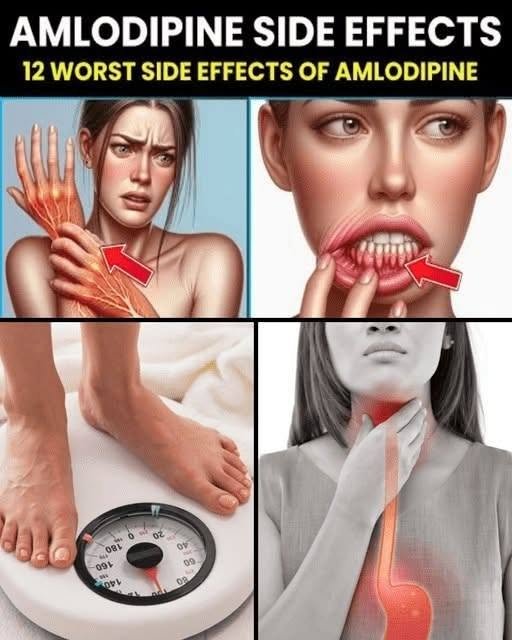
Peripheral Edema (Swelling): Swelling in your lower legs, ankles, or feet is the most frequent side effect. It occurs because blood vessels widen, allowing fluid to pool in the lower extremities due to gravity.
-
Dizziness or Lightheadedness: As your blood pressure drops into a healthier range, you may feel momentarily dizzy, especially when standing up too quickly (orthostatic hypotension).
-
Flushing and Warmth: A sudden feeling of warmth or redness in your face, neck, or chest can happen as surface blood vessels dilate.
-
Fatigue and Drowsiness: Some people experience mild tiredness as their cardiovascular system adjusts to lower blood pressure levels.
-
Headaches: Mild, transient headaches can occur during the first few days of starting amlodipine or after a dosage increase as blood vessels in the head adjust.
-
Nausea or Upset Stomach: Mild gastrointestinal discomfort can occasionally happen, particularly if taken on an empty stomach.
-
Palpitations: A temporary sensation of a racing or pounding heartbeat can sometimes occur as your body compensates for vascular relaxation.
-
Muscle Cramps or Weakness: Mild muscle discomfort or fatigue can occasionally accompany shifts in fluid balance and circulation.
Serious Warning Signs: When to Seek Medical Help
While severe reactions to amlodipine are rare, certain symptoms require prompt medical evaluation or emergency care:
-
Severe Dizziness or Fainting: If you feel so lightheaded that you pass out, or if dizziness is persistent and severe, contact your doctor immediately. It may indicate that your dose is too high.
-
Worsening Chest Pain (Angina): Paradoxically, when starting amlodipine or increasing your dose, some individuals experience an increase in frequency or severity of chest pain, or even a heart attack. Seek emergency care immediately if you experience crushing chest pressure, shortness of breath, or pain radiating to your jaw or arm.
-
Signs of Allergic Reaction: Seek immediate help if you develop a skin rash, hives, severe itching, or swelling of your face, lips, tongue, or throat, or if you experience sudden difficulty breathing or swallowing.
-
Significantly Worsening Edema or Sudden Weight Gain: While mild ankle swelling is common, sudden, rapid weight gain (more than 3–5 pounds in a few days) or severe shortness of breath while lying flat can signal fluid retention affecting heart function. Contact your physician promptly.
Tips for Managing Mild Side Effects
-
Rise Slowly: When getting out of bed or standing up from a chair, take your time to let your blood pressure adjust.
-
Elevate Your Feet: If you experience mild ankle swelling, elevating your legs above your heart for short periods during the day can help reduce fluid pooling.
-
Do Not Stop Abruptly: Never stop taking amlodipine suddenly without consulting your doctor, as doing so can cause a dangerous rebound spike in your blood pressure.