Viral health blogs and sensationalized wellness reels love to use dramatic, anxiety-inducing clickbait hooks like “10 Early Warning Signs of a Stroke Everyone Should Know to Take Prompt Action” to suggest that weeks or days before a stroke, your body sends a neat, predictable checklist of subtle, vague symptoms.
While recognizing genuine neurological emergencies is vital, human cerebrovascular biology doesn’t operate as a slow-leaking pipe. Strokes are acute, sudden vascular events. Understanding how strokes actually manifest—and separating internet myths from medical reality—is essential for true health literacy.
What Actually Happens During a Stroke?
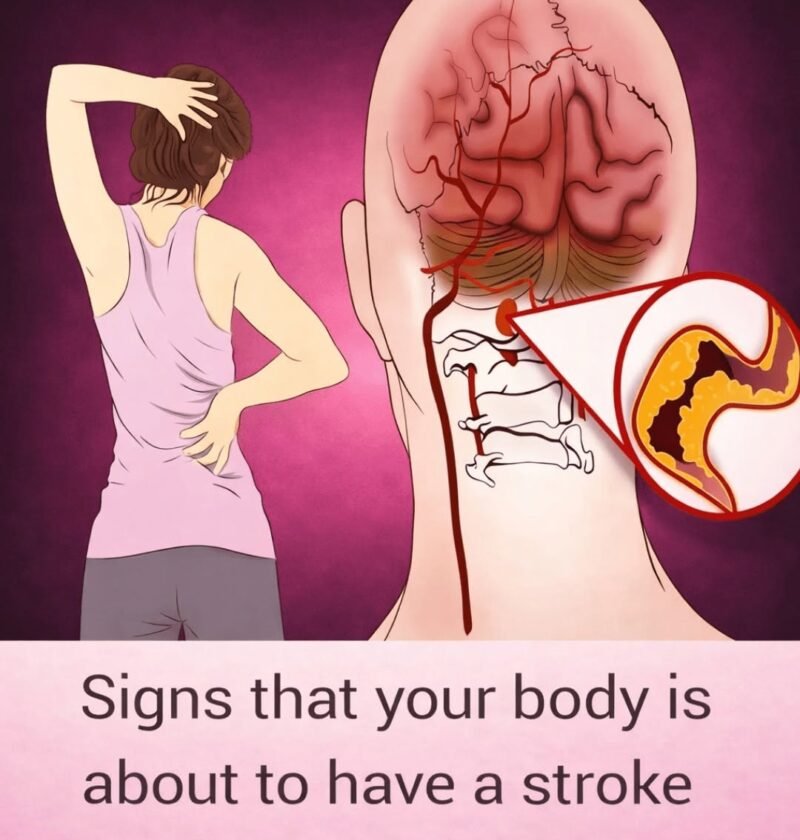
As explored previously, a stroke occurs when the blood supply to part of your brain is abruptly interrupted or severely reduced, depriving brain tissue of vital oxygen and nutrients:
-
Ischemic Stroke (approx. 87% of cases): A blood clot blocks an artery supplying the brain.
-
Hemorrhagic Stroke: A weakened blood vessel ruptures, bleeding into the surrounding brain tissue.
Because brain tissue cannot store oxygen or glucose, individual neurons begin to suffer metabolic failure within seconds of losing blood flow.
Where the “Early Warning Signs” Hyperbole Goes Wrong
Clickbait articles often list everyday, non-specific sensations—such as mild fatigue from a poor night’s sleep, occasional lightheadedness when standing up too fast, brain fog, or tension headaches—and rebrand them as “early warning signs” of an impending stroke.
Attributing normal, everyday bodily fluctuations or stress to an upcoming vascular crisis is medically inaccurate and causes unnecessary panic. A stroke is an abrupt neurological emergency, not a lingering weeks-long progression of vague discomfort.
The Real, Recognizable Signs of a Stroke (FAST)
True warnings of a compromised brain blood supply are abrupt and undeniable. Medical professionals rely on the globally recognized FAST framework to identify true cerebrovascular emergencies instantly:
-
F – Face Drooping: Does one side of the face droop, or is it numb? If the person smiles, is the smile uneven?
-
A – Arm Weakness: Is one arm weak or numb? If the person tries to raise both arms, does one drift downward?
-
S – Speech Difficulty: Is speech slurred, are they unable to speak, or are they difficult to understand?
-
T – Time to Call Emergency Services: If you observe any of these signs—even if they temporarily resolve—call emergency services immediately. Time is brain tissue; rapid intervention can restore blood flow and drastically reduce permanent injury.
Other sudden red flags can include:
-
Abrupt loss of vision in one or both eyes.
-
Sudden, severe dizziness or loss of balance accompanied by coordination issues.
-
A sudden, excruciating “thunderclap” headache unlike anything previously experienced.
How to Truly Protect Your Cerebrovascular Health
Instead of hunting for mythical early warning lists on the internet, the most effective way to safeguard against a stroke is to manage your long-term vascular risk factors:
-
Keep your blood pressure within a healthy, monitored range.
-
Manage metabolic health, including blood sugar and cholesterol.
-
Avoid smoking and limit excess alcohol.
-
Stay physically active and maintain a heart-healthy diet.
Don’t let sensationalized clickbait prey on your fears—focus on consistent, everyday cardiovascular care and knowing the sudden, acute signs of an emergency!