Viral social media reels and clickbait wellness pages love to use cryptic, anxiety-inducing hooks like “DID YOU KNOW? If hair grows on your ears, it’s because your body is… See more” to trick you into clicking, dangling the terrifying implication that a stray ear hair is a secret harbinger of catastrophic internal organ failure or advanced disease.
While noticing new hair growth in unexpected places as you age can certainly feel surprising, human hair follicles don’t sprout as emergency SOS signals for internal pathology.
Here is a look at why ear hair appears, why the clickbait panic misses the mark, and what biological mechanisms are actually at play.
Why Does Hair Grow on the Ears? (The Real Biology)
Hair growth across the human body is governed primarily by genetics and hormones, particularly androgens (like testosterone). As people age, hair follicles respond differently to these hormonal and genetic cues:
-
Vellus vs. Terminal Hair Transition:
-
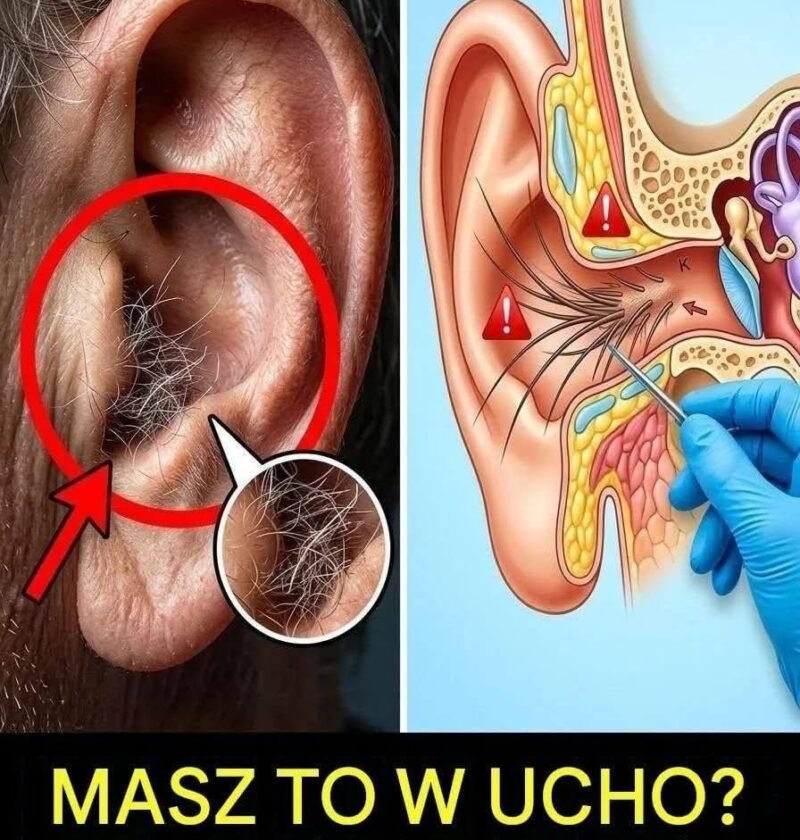
The Reality: Much of our skin is covered in fine, barely visible vellus hairs. As part of normal aging—particularly in men, though it occurs in women as well—hormonal shifts and genetic programming can cause these fine follicles on the outer ear, earlobes, and inside the ear canal to transform into coarse, pigmented terminal hairs.
-
-
Hormonal Changes Over Time:
-
The Reality: Aging alters how our hair follicles interact with circulating hormones. Follicles on the scalp may shrink (leading to male or female pattern thinning), while follicles in areas like the ears, eyebrows, and nose often become more sensitive to androgens, causing them to sprout thicker, longer hairs.
-
Where the “Internal Warning Sign” Hyperbole Goes Wrong
Clickbait wellness reels love to claim that ear hair is a direct indicator of heart disease, metabolic collapse, or impending doom.
While some older observational studies investigated correlations between earlobe creases (Frank’s sign) or ear hair and cardiovascular risk in specific aging populations, ear hair itself is not a diagnostic medical test. It is a normal, visible part of the human aging process. Attributing a stray ear hair to a hidden medical emergency is pure sensationalism designed to drive clicks.
What Actually Matters for Aging and Hair Growth
If you notice changes in your hair growth patterns as you get older, it is simply part of your body’s natural maturation:
-
Embrace Grooming, Not Panic: Trimming or removing ear hair with an electric trimmer, tweezers, or specialized scissors is a completely normal, routine part of personal grooming for millions of adults.
-
Focus on True Health Indicators: If you are concerned about your cardiovascular or metabolic health, real indicators include blood pressure readings, lipid panels (cholesterol), blood sugar metrics (like HbA1c), and how you feel physically—not the presence of coarse hair on your ears.
When to See a Doctor
While normal, age-related hair growth on the ears is entirely harmless, you should consult your primary care physician or a dermatologist if you notice sudden, rapid, or abnormal hair growth accompanied by other symptoms (such as sudden voice deepening, irregular menstrual cycles in women, or rapid hormonal shifts). Otherwise, you can safely ignore the clickbait—a stray ear hair is just biology doing what it naturally does with time!