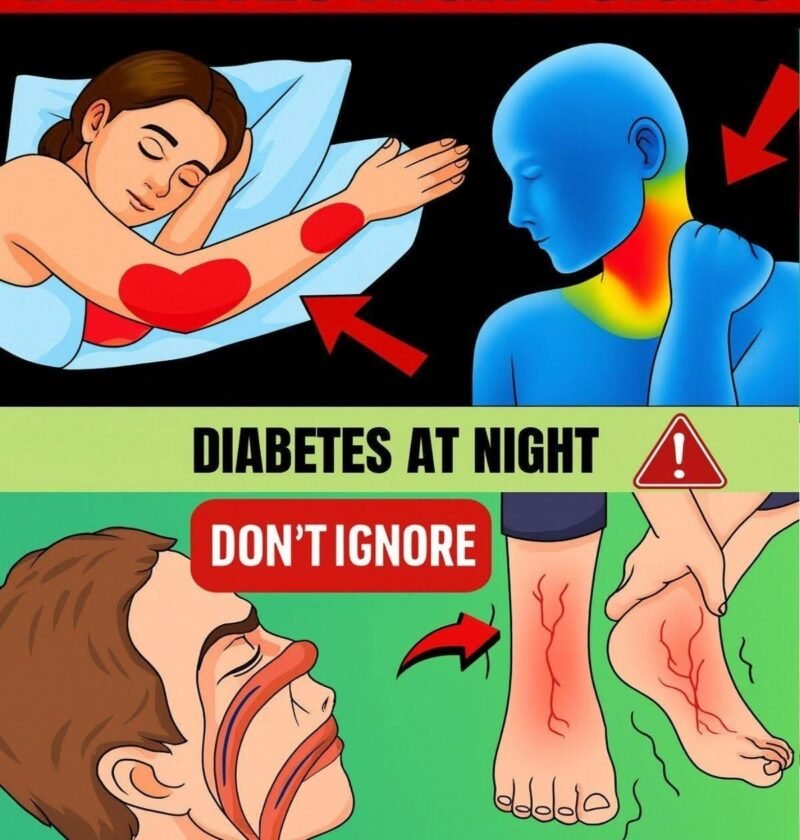
Viral health blogs and sensationalized wellness reels love to use dramatic, clickbait hooks like “7 Nighttime Signs of Diabetes + 8 Tips to Avoid Blood Sugar Spikes Without Cutting Carbs” to frame normal evening habits—like waking up to use the restroom or having a dry throat—as terrifying, hidden indicators of advanced metabolic disease, while dangling too-good-to-be-true dietary tricks.
While managing blood sugar is a vital part of metabolic health, type 2 diabetes develops through complex interactions involving genetics, insulin resistance, and beta-cell function over time.
Here is a look at what actually happens to your body at night when blood sugar is poorly managed, separating nocturnal symptoms from clickbait hype, and examining the real physiology of carbohydrate metabolism.
What Actually Happens at Night with Unmanaged Blood Sugar?
When blood glucose levels remain chronically elevated (hyperglycemia), your kidneys and nervous system attempt to compensate, which can disrupt your sleep and manifest as specific nighttime symptoms:
-
Nocturia (Frequent Nighttime Urination):
-
The Mechanism: When excess glucose builds up in your bloodstream, your kidneys work overtime to filter and excrete the extra sugar. Because glucose draws water along with it through osmosis, your body produces a larger volume of urine, forcing you to wake up multiple times during the night.
-
-
Polydipsia (Excessive Thirst and Dry Mouth):
-
The Mechanism: The fluid lost through frequent urination leads to systemic dehydration, triggering your brain’s thirst centers and leaving you waking up with a parched, sticky mouth and an intense urge to drink water.
-
-
Nocturnal Muscle Cramps and Neuropathy:
-
The Mechanism: Chronic high blood sugar can impair peripheral nerve function and affect electrolyte balance, occasionally triggering painful muscle cramps or tingling/burning sensations in the feet as you rest.
-
-
Unexplained Night Sweats or Fatigue:
-
The Mechanism: Roller-coaster blood sugar levels overnight—ranging from spikes after a late meal to reactive drops—can trigger autonomic nervous system responses, leading to restlessness, disrupted sleep architecture, and profound morning exhaustion.
-
Where the “No-Carb-Cutting” Hyperbole Goes Wrong
Clickbait articles love to promise that you can eat endless bowls of pasta, white bread, and pastries without any blood sugar consequences if you just follow a few “secret” kitchen hacks.
In reality, all digestible carbohydrates break down into glucose upon digestion. While certain hacks can blunt or slow down how fast glucose enters your bloodstream, physics and biochemistry dictate that the total carbohydrate load still requires insulin to be processed. Claiming you can completely ignore carbohydrate intake while managing blood sugar ignores basic human metabolism.
Evidence-Based Ways to Blunt Blood Sugar Spikes
While you cannot magically erase carbohydrates, you can significantly improve your body’s glycemic response using proven physiological strategies:
-
The “Food Sequencing” Trick (Fiber & Protein First):
-
Why it works: Eating your vegetables, healthy fats, and proteins before your carbohydrates creates a viscous matrix in your stomach that delays gastric emptying. This slows down the rate at which glucose is absorbed into the bloodstream, flattening the post-meal blood sugar curve.
-
-
Post-Meal Movement (“Walking After Eating”):
-
Why it works: Taking a 10-to-15-minute walk shortly after a meal allows your contracting leg muscles to pull glucose directly out of your bloodstream via GLUT4 transporters—without needing extra insulin.
-
-
Add Vinegar or Acid:
-
Why it works: Consuming a small amount of vinegar (like apple cider vinegar) with a meal temporarily slows down the digestive enzyme activity that breaks down starches into glucose, resulting in a milder glycemic response.
-
-
Pair Carbs with Fiber, Fat, or Protein:
-
Why it works: Eating a naked carbohydrate (like plain white toast or candy) causes a rapid spike. Pairing that same carb with healthy fats, fiber, or protein drastically slows down digestion and blunts the spike.
-
When to See a Doctor
If you find yourself waking up multiple times every night to urinate, battling unquenchable thirst, experiencing sudden fatigue, or noticing slow-healing cuts, do not rely on internet hacks or wait for a nighttime emergency.
A simple, routine HbA1c blood test ordered by your physician measures your average blood sugar over the past three months and can definitively tell you where your metabolic health stands.
Skip the sensationalized clickbait—understanding how your body processes food, staying active, and monitoring your actual lab numbers are the true keys to long-term metabolic health!