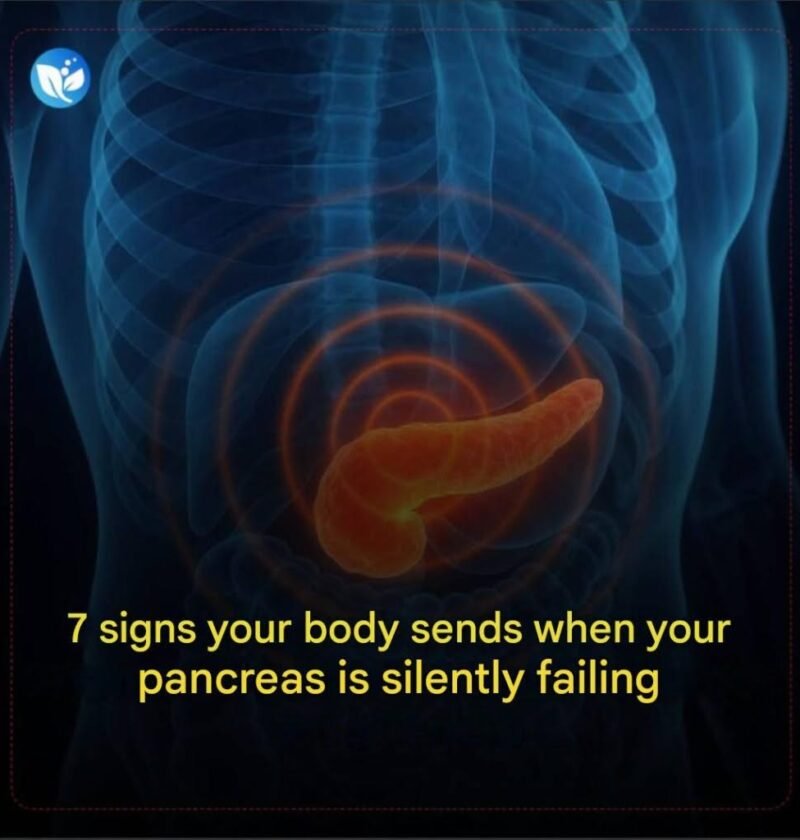
Viral health blogs and sensationalized wellness reels love to use dramatic, anxiety-inducing hooks like “7 signs your body sends when your pancreas is silently failing” to suggest that every routine bout of indigestion, minor upper back ache, or mild bloating is a terrifying harbinger of sudden organ collapse.
While pancreatic diseases are serious and require proper medical care, the human pancreas is a vital, resilient gland whose dysfunction produces distinct, persistent clinical signals rather than vague, fleeting discomfort.
Here is a look at what the pancreas actually does, why clickbait alarmism misses the mark, and when digestive or metabolic symptoms genuinely warrant a doctor’s evaluation.
What Does the Pancreas Actually Do?
Your pancreas is a dual-purpose organ tucked deep in your upper abdomen behind the stomach, serving two critical physiological functions:
-
Exocrine Function (Digestion):
-
It produces powerful digestive enzymes—including lipase (for fats), amylase (for carbohydrates), and proteases (for proteins)—which are secreted into the small intestine to break down your food.
-
-
Endocrine Function (Blood Sugar Regulation):
-
Specialized clusters of cells called the islets of Langerhans produce hormones directly into your bloodstream, most notably insulin (which lowers blood sugar) and glucagon (which raises it).
-
Where the “Silent Failure” Hyperbole Goes Wrong
Clickbait articles often lump ordinary, everyday digestive complaints—like eating a heavy meal and feeling bloated—into a breathless list of catastrophic warning signs. In reality, mild indigestion or gas is usually just a byproduct of diet, eating too fast, or temporary gut irritation, not a failing pancreas.
When the pancreas is genuinely struggling (such as in chronic pancreatitis or exocrine pancreatic insufficiency), it fails in specific, measurable ways that disrupt digestion and blood sugar regulation over time.
True Clinical Signs of Pancreatic Dysfunction
When the pancreas is chronically inflamed, damaged, or unable to produce sufficient enzymes and hormones, the body manifests distinct, persistent clinical signs:
-
Steatorrhea (Pale, Greasy, Floating Stools):
-
Why it happens: Without enough lipase enzymes to break down dietary fats, fat passes unabsorbed through your digestive tract. This results in stools that are unusually pale, foul-smelling, bulky, greasy, and prone to floating.
-
-
Persistent Upper Abdominal Pain Radiating to the Back:
-
Why it happens: Inflammation of the pancreas (pancreatitis) causes a deep, boring, steady pain in the upper middle abdomen that often wraps straight through to the mid-back, frequently worsening after eating or drinking alcohol.
-
-
Unexplained, Rapid Weight Loss:
-
Why it happens: Because the body cannot properly digest or absorb nutrients (malabsorption), individuals can experience significant, unintentional weight loss despite eating normally.
-
-
Sudden-Onset or Worsening Diabetes:
-
Why it happens: Because the pancreas houses the insulin-producing beta cells, severe damage to the gland can impair insulin production, leading to sudden, hard-to-control high blood sugar levels.
-
-
Nausea and Fatty Food Intolerance:
-
Why it happens: The inability to process fats efficiently often triggers chronic nausea, vomiting, or an instinctive aversion to greasy meals.
-
What Actually Protects Pancreatic Health
If you want to support your pancreas and lower your risk of chronic inflammation, evidence-based lifestyle choices make a profound difference:
-
Limit Excessive Alcohol Consumption: Heavy, long-term alcohol use is one of the leading causes of chronic pancreatitis. Moderation or abstinence protects the delicate ductal cells of the pancreas.
-
Maintain Healthy Triglyceride Levels: Extremely high blood triglycerides (a type of fat in the blood) can precipitate acute pancreatitis. Managing diet, exercise, and metabolic health keeps triglycerides in check.
-
Avoid Gallstones: Gallstones can block the pancreatic duct, triggering acute inflammation. Eating a balanced diet and maintaining a healthy weight reduces gallstone formation.
When to See a Doctor
While everyday tummy troubles are harmless, you should never ignore persistent, severe symptoms. Seek medical evaluation promptly if you experience:
-
Severe, unremitting upper abdominal pain that radiates to your back.
-
Persistent pale, oily, foul-smelling stools accompanied by unexplained weight loss.
-
Unexplained jaundice (yellowing of the skin and eyes) alongside dark urine.
Don’t let sensational headlines turn a routine post-meal food baby into a midnight panic—understanding your digestion, watching for persistent clinical red flags, and managing lifestyle risks will keep your pancreas and overall health well-protected!