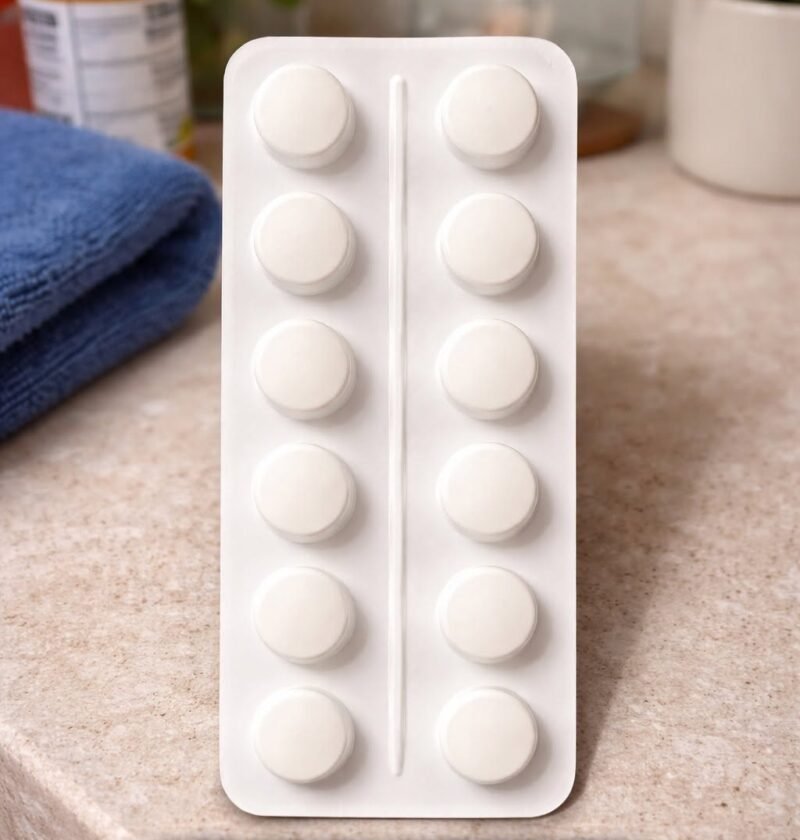
channel blocker used to manage high blood pressure and coronary artery disease. While it is effective at relaxing your blood vessels, certain daily habits, foods, and lifestyle routines can interfere with how the medication works or intensify unwanted side effects.
Here are 8 habits to stop or modify this year if you are taking amlodipine—and the science behind why:
1. Consuming Grapefruit and Grapefruit Juice
-
The Habit: Eating whole grapefruit, drinking grapefruit juice, or consuming close relatives like pomelos and Seville oranges.
-
Why You Should Stop: Grapefruit contains chemical compounds called furanocoumarins. These compounds block the specific liver enzymes responsible for breaking down amlodipine. When this happens, the medication can accumulate in your bloodstream, effectively increasing your dose and leading to intensified side effects like sudden drops in blood pressure, dizziness, and flushing.
2. Binge Drinking or Heavy Alcohol Consumption
-
The Habit: Regularly consuming large amounts of alcohol or engaging in heavy weekend drinking.
-
Why You Should Stop: Alcohol acts as a vasodilator—meaning it expands blood vessels—which, when combined with amlodipine, can cause your blood pressure to drop too sharply. This frequently results in severe lightheadedness, fainting, headaches, and palpitations.
3. Using Potassium-Based Salt Substitutes Without Checking
-
The Habit: Swapping regular table salt for alternative salt substitutes to lower sodium intake without looking at the label.
-
Why You Should Stop: Many commercial salt substitutes replace sodium with potassium. While amlodipine doesn’t inherently alter potassium the way some other blood pressure medications do (like ACE inhibitors), combining high potassium loads with certain cardiac regimens can strain your system. Always check with your doctor before introducing high-potassium salt substitutes.
4. Standing Up Too Quickly (Postural Transitions)
-
The Habit: Springing out of bed or jumping up rapidly from a seated or lying position.
-
Why You Should Stop: Amlodipine relaxes your blood vessels, which can occasionally cause mild orthostatic hypotension—a temporary lag in blood pressure regulation when changing positions. Moving too fast can trigger sudden lightheadedness or a brief dizzy spell, increasing the risk of a fall. Give your body a few seconds to adjust before standing.
5. Ignoring Peripheral Edema (Swollen Ankles and Feet)
-
The Habit: Dismissing swollen lower legs, ankles, or feet as “just a minor annoyance” or normal aging.
-
Why You Should Stop: Peripheral edema is one of the most frequent side effects of amlodipine, caused by fluid shifting into the tissues due to changes in capillary pressure. While it is usually harmless, ignoring it can lead to unnecessary discomfort or mask other underlying cardiovascular changes. Always report persistent swelling to your physician so they can evaluate your dosage.
6. Over-the-Counteing With NSAIDs or Unchecked Supplements
-
The Habit: Routinely taking regular doses of nonsteroidal anti-inflammatory drugs (NSAIDs like ibuprofen or naproxen) or herbal supplements (like St. John’s Wort or high-dose ginseng) without medical clearance.
-
Why You Should Stop: NSAIDs can cause your body to retain sodium and water, directly counteracting the blood pressure-lowering benefits of amlodipine. Additionally, certain supplements can either amplify amlodipine’s effects or accelerate its breakdown in the liver, rendering it less effective.
7. Heavy Caffeine Intake
-
The Habit: Chugging multiple cups of strong coffee, energy drinks, or heavily caffeinated teas throughout the day.
-
Why You Should Stop: Caffeine causes acute, short-term constriction of blood vessels and a temporary spike in heart rate and blood pressure. Relying heavily on caffeine can work directly against the steady, controlled blood pressure goals you are trying to achieve with your medication.
8. Stopping or Skipping Doses Abruptly
-
The Habit: Missing doses or stopping the medication entirely because you “feel fine” or experienced a mild side effect.
-
Why You Should Stop: High blood pressure is typically a “silent” condition without outward symptoms. Amlodipine has a long half-life designed to provide steady, 24-hour vascular control. Stopping it abruptly can trigger a rebound spike in blood pressure, significantly increasing your risk of heart strain or stroke.
A Quick Medical Disclaimer: This information is for educational purposes. Never alter your dosage, stop taking amlodipine, or make major lifestyle changes without first consulting your prescribing physician or cardiologist.
Are you managing amlodipine for high blood pressure or another condition like angina? Let me know if you would like tips on heart-healthy eating habits that work well with your prescription