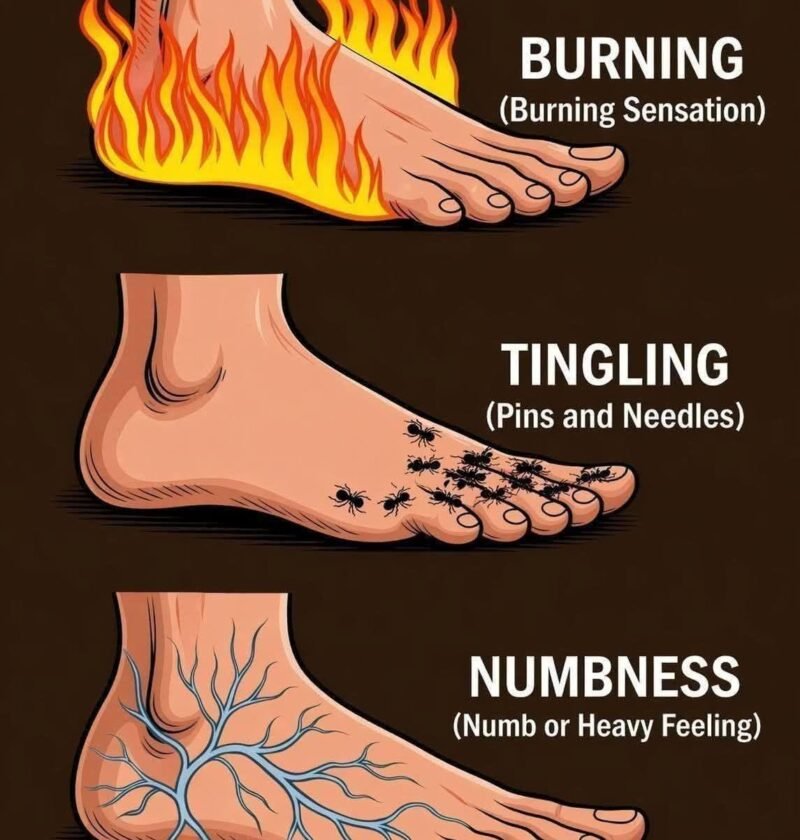
Experiencing burning, numbness, and tingling in the feet are classic signs that the sensory nerves supplying your lower extremities are irritated, compressed, or damaged. This cluster of symptoms is frequently referred to as peripheral neuropathy, but it can stem from several different underlying sources.
Potential Causes
-
Diabetic Neuropathy: Elevated blood sugar levels over time can damage peripheral nerves and the small blood vessels that nourish them. This is one of the most common causes of persistent burning and tingling in the feet.
-
Vitamin Deficiencies: A lack of essential vitamins—most notably Vitamin B12, as well as other B vitamins or Vitamin E—is critical for nerve health and can lead to these sensations.
-
Nerve Compression or Entrapment: Localized pressure on a nerve can cause localized numbness and tingling. Examples include tarsal tunnel syndrome (where the tibial nerve is pinched near the inner ankle) or a compressed nerve root in the lower back (sciatica).
-
Circulatory Issues: Conditions like peripheral artery disease (PAD) reduce the flow of oxygen-rich blood to your feet, which can trigger painful burning sensations (often worse at night) alongside numbness.
-
Medications and Toxins: Certain prescription drugs (such as specific chemotherapy agents, statins, or long-term use of certain medications) or exposure to toxins can cause nerve irritation.
-
Systemic or Autoimmune Conditions: Thyroid disorders (hypothyroidism), chronic kidney disease, and autoimmune diseases can also impact nerve function.
Red Flags: When to Seek Prompt Medical Attention
While mild or occasional tingling can happen to anyone, you should schedule an evaluation with a healthcare provider—such as your primary care physician or a podiatrist—promptly if you notice any of the following:
-
Symptoms that persist for more than a couple of weeks, worsen steadily, or disrupt your sleep.
-
A loss of sensation or significant numbness, which makes it difficult to feel cuts, blisters, or temperature changes (greatly increasing the risk of unnoticed injuries and ulcers, especially if you have diabetes).
-
Sudden muscle weakness, unsteadiness, or difficulty maintaining your balance.
-
Any open sores, cuts, signs of infection, or noticeable color changes (such as pale, blue, or cold skin) in your feet.
Preparing for Your Doctor’s Visit
To help your physician pinpoint the exact cause, it is useful to track a few details before your appointment:
-
Timing: Do the symptoms happen constantly, or only at night, after specific activities, or when wearing certain shoes?
-
Triggers: Does anything make it better (like walking, resting, or changing position) or worse?
-
Medical History: Bring a list of your current medications, supplements, and any history of conditions like diabetes, thyroid issues, or vitamin deficiencies.
Are you experiencing any other symptoms, like muscle weakness or balance issues, or do you have a history of conditions like diabetes?