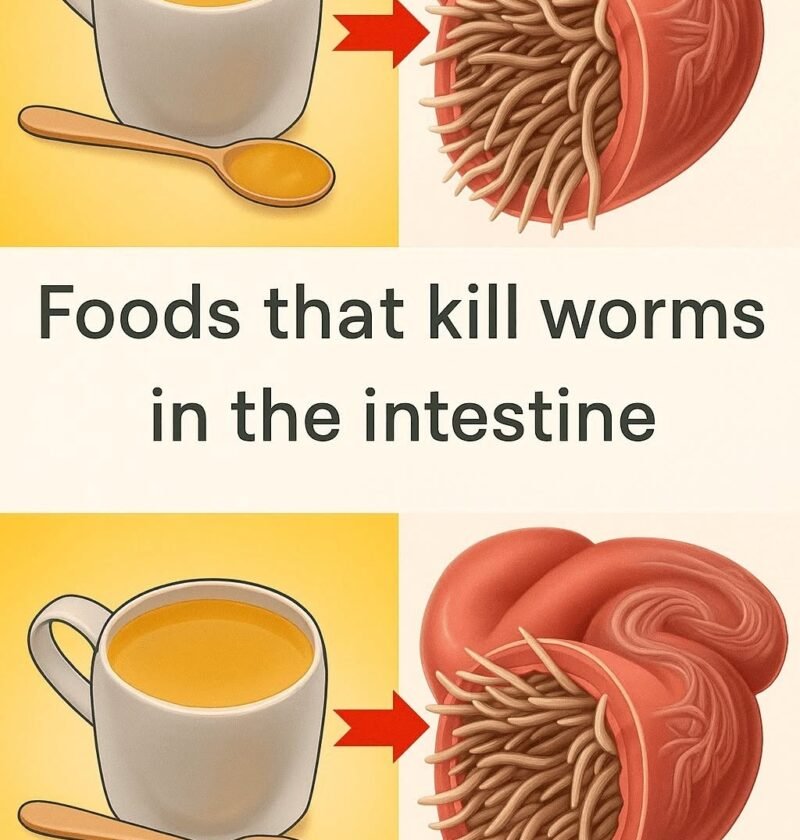
While traditional medical anti-parasitic medications are necessary to fully clear confirmed intestinal infections, certain foods have been traditionally used and studied for their natural anti-parasitic, antimicrobial, and digestive-supportive properties.
Here are 7 foods often highlighted for helping the body deter and eliminate intestinal worms:
1. Garlic
-
Why it works: Garlic contains high amounts of allicin and sulfur compounds, which possess powerful natural antimicrobial, antifungal, and anti-parasitic properties.
-
How to use it: Eating raw or lightly crushed garlic maximizes the release of allicin, which helps target intestinal microbes and parasites.
2. Pumpkin Seeds
-
Why it works: Pumpkin seeds contain a natural amino acid called cucurbitacin. This compound has a paralyzing effect on certain intestinal worms (like tapeworms and roundworms), making it difficult for them to hold onto the intestinal walls so the body can flush them out.
-
How to use it: Raw, organic pumpkin seeds can be eaten plain as a snack or blended into smoothies and salads.
3. Papaya (and Papaya Seeds)
-
Why it works: Papaya contains a proteolytic enzyme called papain, which aids protein digestion and can help weaken parasite structures. Furthermore, the dark seeds of the papaya are packed with carpain and anthelmintic compounds that research suggests have strong anti-parasitic activity.
-
How to use it: The peppery seeds can be dried, ground up, and added to dressings or smoothies.
4. Coconut (and Coconut Oil)
-
Why it works: Coconuts are rich in medium-chain fatty acids (such as lauric acid and caprylic acid). When digested, these compounds exhibit strong antimicrobial, antiviral, and anti-parasitic actions that help disrupt the cell membranes of unwanted organisms.
-
How to use it: Incorporating fresh coconut meat, unsweetened flakes, or pure extra virgin coconut oil into your daily diet is a gentle way to support gut health.
5. Ginger
-
Why it works: Ginger stimulates the production of stomach acid and digestive enzymes. By improving overall digestion and enhancing gastrointestinal circulation, ginger helps create a hostile environment for parasites while promoting regular bowel movements to clear them out.
-
How to use it: Fresh ginger can be steeped into a warm tea or grated into meals.
6. Pomegranate
-
Why it works: The bark, peel, and juice of pomegranates have long been used in traditional medicine for their astringent and anti-parasitic qualities. They contain powerful antioxidants and punicalagins that help stun or inhibit intestinal worms.
-
How to use it: Drinking fresh, unsweetened pomegranate juice or eating fresh pomegranate seeds supports overall gut defense.
7. Fermented Foods (Kefir, Sauerkraut, Kimchi)
-
Why it works: While fermented foods do not directly “kill” worms, they are vital for recovery and prevention. They flood the gut with beneficial probiotics, restoring a healthy microbiome balance. A strong, balanced gut microbiome is far more resilient against infections and better equipped to crowd out invaders.
Important Note: If you suspect you have an intestinal parasite (with symptoms like unexplained abdominal pain, persistent bloating, changes in bowel habits, or fatigue), it is crucial to consult a healthcare provider for a proper diagnosis. Natural foods work best as supportive dietary habits or preventive measures rather than standalone cures for active medical infestations.
Are you looking into these foods for general wellness, or are you or someone else experiencing specific digestive symptoms?