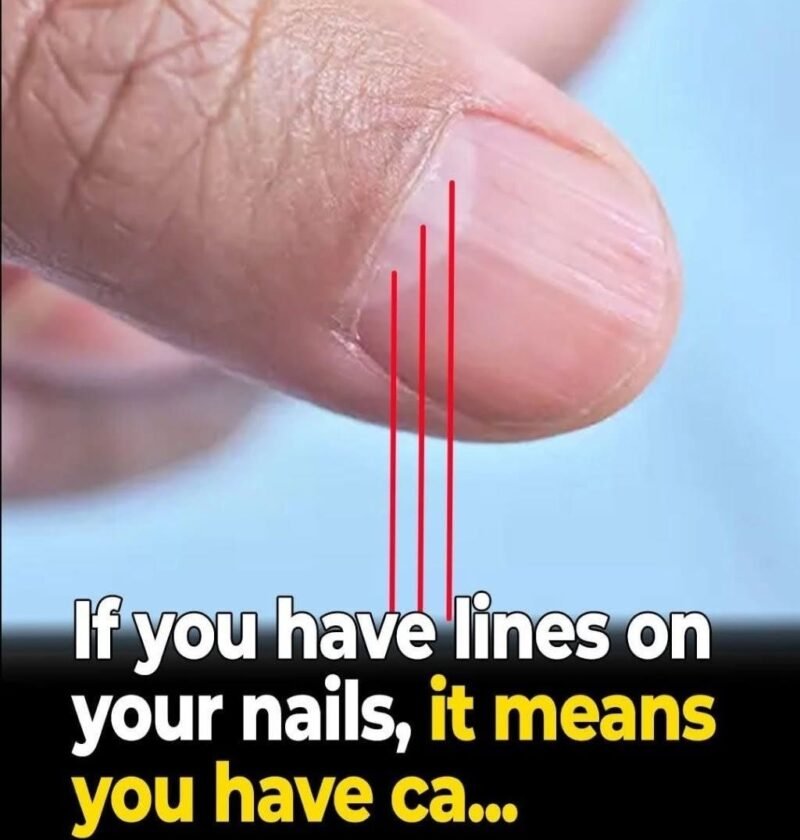
Clickbait headlines warning that a “telltale sign in your fingernails may predict your life expectancy” typically refer to discussions popularized by longevity researchers regarding the rate of fingernail growth.
While it sounds like internet folklore, this idea stems from actual scientific observations about how our bodies age internally. However, looking at your nails isn’t a magical crystal ball for predicting your exact lifespan.
Here is what the science actually says about what your fingernails reveal about aging and health:
1. The Core Indicator: Nail Growth Speed
-
What the claim means: Longevity experts have pointed to historical dermatological data showing a correlation between age and how fast fingernails grow.
-
The science: Research (such as studies dating back to the late 1970s published in the Journal of Investigative Dermatology) observed that linear fingernail growth slows down by roughly 0.5% each year after early adulthood (around age 30), decreasing by about 50% over an average human lifetime.
-
What it reflects: Nail growth relies on strong peripheral circulation, active cellular renewal, and steady metabolic function. If your nails are growing steadily, it reflects robust cellular maintenance and blood flow; as circulation and metabolic rates naturally slow with age, nail growth follows suit.
2. Physical Nail Changes That Do Signal Medical Concerns
While growth speed is an interesting marker of biological aging, doctors pay much closer attention to structural, textural, or color changes in the nails because they can point to underlying health conditions:
-
Nail Clubbing (Widened, curved fingertips): When the tips of the fingers widen and the nails curve downward, it can indicate chronic low oxygen levels in the blood, often linked to pulmonary (lung) or cardiovascular conditions.
-
Pale or White Nails (Leuconychia / Anemia): Very pale nail beds can signal iron-deficiency anemia, meaning your tissues aren’t receiving enough oxygen-rich blood.
-
Brittle, Slow-Growing, or Ridged Nails: Severely brittle, dry, or cracked nails can point toward nutritional deficiencies, poor circulation, or thyroid disorders (like hypothyroidism).
-
Dark Streaks or Spots: A dark vertical stripe or black spot under the nail bed that isn’t from an injury should always be evaluated promptly by a dermatologist to rule out rare forms of skin cancer like subungual melanoma.
The Takeaway
Tracking how often you need to trim your nails is a fascinating way to think about cellular turnover and biological aging, but it is not a definitive diagnostic tool for your life expectancy. Nail growth is easily influenced by external factors like temperature, seasonal changes, manual work, and overall nutrition.
If you notice sudden, drastic changes in the strength, color, shape, or growth rate of your nails, it is always wise to mention it during a routine checkup to ensure there are no underlying nutritional or circulatory issues.
Have you noticed any changes in your nail growth or strength recently, or are you keeping an eye on your overall wellness metrics?