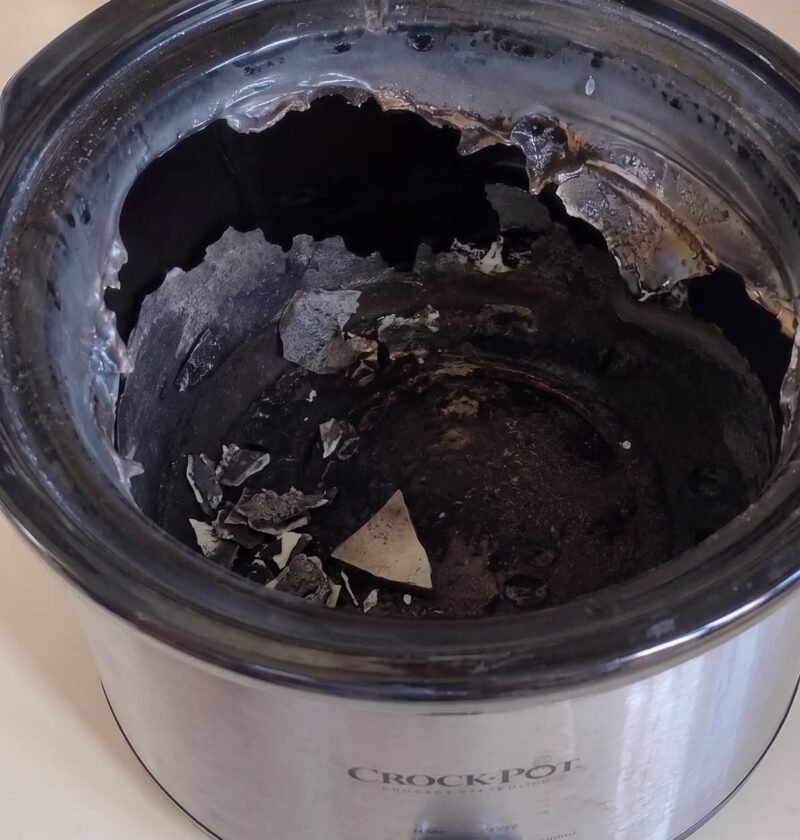
While a slow cooker is one of the most convenient kitchen appliances for effortless meal prep, dumping just any ingredient into the pot can ruin the texture, flavor, or even safety of your dish. Because slow cookers cook food slowly at low temperatures, certain items break down, turn mushy, or fail to reach safe temperatures quickly enough.
Here are 11 foods you should never put in a slow cooker (or at least, not without knowing how they behave):
1. Delicate Seafood (Shrimp, Fish, Scallops)
-
Why it fails: Seafood cooks in just a few minutes. Putting delicate fish or shrimp into a slow cooker for hours will turn them rubbery, dry, and completely disintegrate them into a mushy, overcooked mess.
-
The fix: Add seafood during the last 15 to 30 minutes of cooking so it just gently poaches in the hot liquid.
2. Tender Cuts of Meat (Chicken Breast, Pork Tenderloin)
-
Why it fails: Lean, tender cuts of meat lack the connective tissue (collagen) found in tough cuts like chuck roast or pork shoulder. Cooking lean meats on low for 6 to 8 hours strips out all their moisture, leaving them dry, stringy, and chalky.
-
The fix: Reserve slow cookers for fatty, tough cuts that benefit from long breakdown times, or reduce cooking times drastically for chicken breasts.
3. Fresh Dairy (Milk, Cream, Cheese, Sour Cream)
-
Why it fails: Subjecting dairy to hours of steady heat causes it to curdle, separate, and take on a grainy, unappealing texture.
-
The fix: Stir in milk, heavy cream, or cheese during the last 15 to 30 minutes of cooking, or use evaporated milk which holds up slightly better to heat.
4. Fresh Herbs (Basil, Cilantro, Parsley)
-
Why it fails: Delicate green herbs lose their vibrant color, fresh flavor, and aroma entirely when subjected to hours of heat, often turning into an unappetizing dark sludge.
-
The fix: Add hearty, woody herbs (like rosemary or thyme) at the beginning, but save tender fresh herbs as a bright garnish right before serving.
5. Pasta and Rice
-
Why it fails: Dry pasta or standard rice cooked directly in a slow cooker for hours will absorb too much liquid and turn into a soggy, starchy paste.
-
The fix: Cook pasta or rice separately on the stovetop and stir them into your slow-cooked stew or soup just before serving (unless using specific slow-cooker casserole recipes designed with exact liquid ratios).
6. Couscous
-
Why it fails: Couscous is tiny, delicate semolina wheat that steams in minutes. In a slow cooker, it immediately dissolves and turns into a gluey porridge.
-
The fix: Prepare couscous separately with boiling water or broth off the heat, then fluff and mix it in at the very end.
7. Unbrowned Raw Ground Meat
-
Why it fails: Tossing raw, fatty ground beef or sausage straight into a slow cooker without draining it first results in a greasy, heavy layer of liquid fat floating on top of your dish, and the meat tends to clump into dense, gray lumps.
-
The fix: Always brown and drain your ground meat on the stovetop before transferring it to the slow cooker for better flavor and texture.
8. Raw Red Kidney Beans (Safety Hazard!)
-
Why it fails: This is a critical food-safety issue. Raw kidney beans contain a natural toxin called phytohaemagglutinin. Slow cookers do not reach a high enough temperature to destroy this toxin; in fact, the low heat actually increases the toxin’s potency up to fivefold, causing severe food poisoning.
-
The fix: Always boil red kidney beans on the stovetop at a rolling boil for at least 10 minutes before using them in any slow-cooker recipe (or use canned, pre-cooked beans).
9. Delicate Vegetables (Zucchini, Yellow Squash, Tomatoes)
-
Why it fails: High-moisture vegetables like squash break down rapidly under long heat, turning into waterlogged mush. Similarly, raw tomatoes can release too much liquid and alter the sauce consistency.
-
The fix: Add quick-cooking veggies during the last hour of cooking so they retain some crunch and structure.
10. Wine or Alcohol (Without Reduction)
-
Why it fails: When you add raw wine or heavy alcohol to a covered slow cooker, the alcohol vapors cannot easily escape. Instead of cooking off cleanly, it can leave behind a sharp, bitter, and harsh chemical taste that ruins the dish.
-
The fix: Simmer alcohol in a pan on the stove for a few minutes to cook off the harsh bite before pouring it into your slow cooker.
11. Breaded or Fried Coatings (e.g., Shake-and-Bake Chicken)
-
Why it fails: The moisture trapped inside a covered slow cooker creates a steamy environment. Any crispy breading, flour coating, or fried crust will instantly become soggy, wet, and gelatinous.
-
The fix: If you want a crispy exterior, bake or fry your coated proteins separately, or broil them for a few minutes after they come out of the slow cooker.
Do you have a favorite slow-cooker recipe you turn to on busy weeknights, or have you ever had a cooking disaster with an unexpected ingredient?