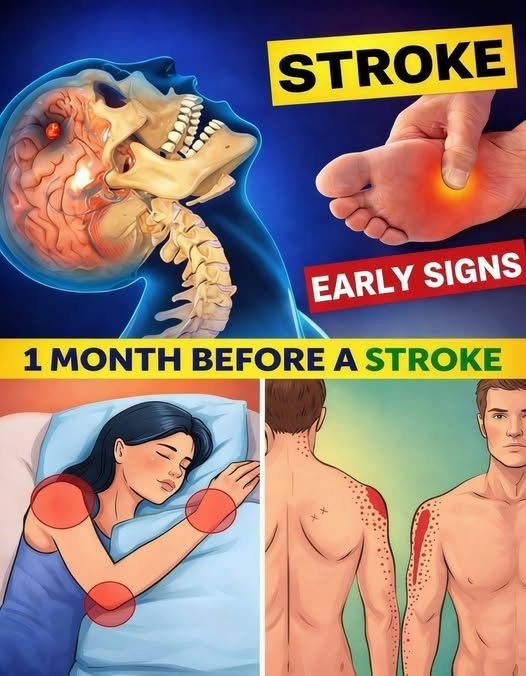
While a major stroke typically strikes abruptly, clinical observations and patient accounts indicate that some individuals experience subtle, intermittent neurological warning signs—often weeks or even up to a month in advance.
These early red flags are frequently linked to Transient Ischemic Attacks (TIAs), commonly known as “mini-strokes,” where blood flow to a part of the brain is temporarily blocked. Recognizing these precursors can provide a critical window for medical intervention.
8 Early Warning Signs That Can Appear Weeks Before a Stroke
-
Intermittent Numbness or Weakness: Brief, recurring episodes of weakness or a “pins-and-needles” sensation, usually affecting only one side of the face, arm, or leg.
-
Transient Speech Difficulties: Sudden, brief moments of slurring words, trouble forming sentences, or struggling to find the right words.
-
Subtle Vision Changes: Temporary blurring, double vision, or brief partial loss of sight in one eye.
-
Unexplained Dizziness or Balance Loss: Sudden bouts of vertigo, feeling lightheaded, or feeling unsteady while walking, often without an obvious inner-ear cause.
-
Persistent, Unusual Headaches: A sudden, recurring headache that feels different from normal tension headaches or migraines, sometimes described as unusually intense or persistent.
-
Sudden Mental Fatigue or Brain Fog: Episodes of profound, uncharacteristic mental exhaustion, confusion, or difficulty concentrating on routine tasks.
-
Short-Term Memory Lapses: Brief periods of confusion regarding familiar surroundings or difficulty remembering recent conversations.
-
Unexplained Mood or Behavioral Shifts: Sudden bouts of irritability, anxiety, emotional instability, or apathy that seem out of character.
Note: If any of these symptoms occur suddenly—using the B.E. F.A.S.T. checklist (Balance, Eyes, Face drooping, Arm weakness, Speech difficulty)—it is Time to call emergency services immediately, even if the symptoms disappear on their own.
9 Doctor-Recommended Tips to Prevent a Stroke
Because the vast majority of strokes are preventable, managing underlying vascular health is key. Medical professionals recommend these nine lifestyle and clinical steps:
-
Aggressively Monitor and Control Blood Pressure: Hypertension is the single leading risk factor for stroke. Keep regular track of your blood pressure and aim to keep it consistently below 120/80 mmHg.
-
Manage Blood Sugar Levels: Uncontrolled diabetes damages blood vessels over time, making clots more likely to form. Work with a physician to maintain healthy A1C levels.
-
Screen for Atrial Fibrillation (AFib): AFib is an irregular heart rhythm that can cause blood clots to pool in the heart and travel to the brain. Regular heart check-ups can catch this silent risk.
-
Improve Your Diet (Reduce Sodium and Trans Fats): Adopt a heart-healthy diet rich in leafy greens, whole grains, and potassium while cutting back heavily on processed, sodium-dense foods that spike blood pressure.
-
Engage in Regular Aerobic Exercise: Aim for at least 30 minutes of moderate physical activity (such as brisk walking, swimming, or cycling) most days of the week to strengthen your cardiovascular system.
-
Quit Smoking and Avoid Vaping: Tobacco smoke thickens blood, increases plaque buildup in arteries, and drastically elevates stroke risk. Quitting rapidly improves vascular health.
-
Keep Cholesterol in Check: High levels of LDL (“bad”) cholesterol lead to atherosclerosis (narrowed, plaque-filled arteries). Work with your doctor to manage cholesterol through diet, exercise, or statins if necessary.
-
Limit Alcohol Consumption: Excessive alcohol intake raises blood pressure and can trigger irregular heart rhythms. Moderation is vital.
-
Prioritize Quality Sleep and Manage Stress: Chronic stress and sleep disorders like sleep apnea place continuous strain on the cardiovascular system. Aim for 7 to 9 hours of restorative sleep nightly and use healthy stress-reduction practices.
Are you or someone you know currently experiencing any unusual symptoms, or looking to manage specific cardiovascular risk factors?