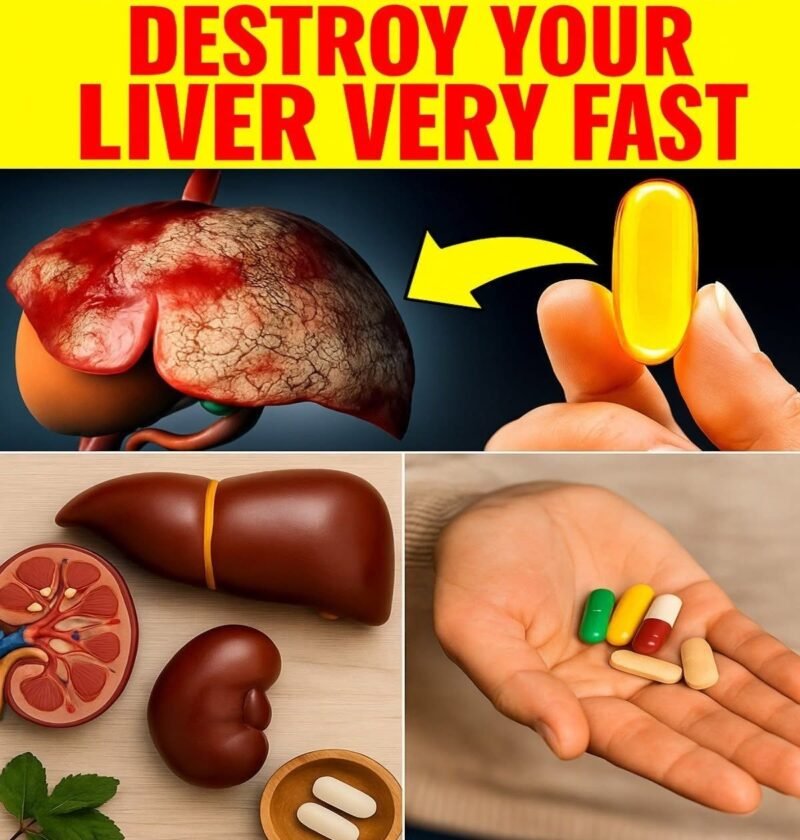
9 Vitamins & Supplements That May Affect Your Liver and Kidneys If Misused
The supplement industry often promotes the mindset that “more is better.” Because vitamins and herbal products are sold over the counter, many people assume they are completely harmless in any quantity.
However, your liver and kidneys are the primary organs responsible for metabolizing, filtering, and clearing every substance you ingest. When taken in excessive doses or misused over time, certain popular vitamins and supplements can overwhelm these filtering organs, leading to drug-induced liver injury or acute kidney stress.
Here are 9 vitamins and supplements that require caution and proper dosing to protect your liver and kidneys:
1. Vitamin A (Fat-Soluble Overload)
-
The Risk: Unlike water-soluble vitamins (which your body flushes out in urine if you take too much), Vitamin A is fat-soluble and gets stored in your liver. Chronic high-dose supplementation can cause hypervitaminosis A, leading to severe liver toxicity, scarring (cirrhosis), and elevated liver enzymes.
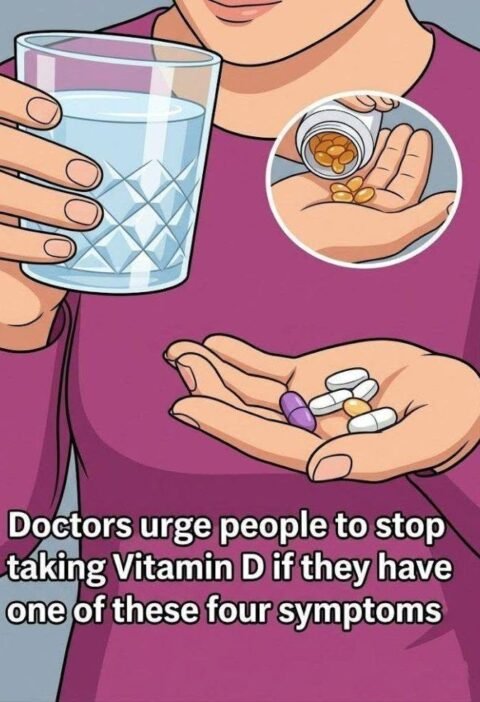
2. Vitamin D (Hypercalcemia Damage)
-
The Risk: High-dose Vitamin D supplements can cause your intestines to absorb excessive calcium into the bloodstream (hypercalcemia). When calcium levels spike, your kidneys have to work overtime to filter and excrete the excess, which can lead to kidney stones, calcification of kidney tissue, and eventually renal failure.
3. Iron Supplements
-
The Risk: Iron is notoriously hard on the digestive system, but high doses are also toxic to the liver. Excess iron generates oxidative stress and cellular damage within liver tissue. Furthermore, iron overload can cause acute systemic toxicity that severely impacts kidney perfusion. (Note: Only take iron if diagnosed with an iron deficiency and advised by a doctor).
4. Niacin (Vitamin B3 in High Doses)
-
The Risk: While standard dietary amounts of niacin are safe, mega-doses (often taken in “sustained-release” formulas to manage cholesterol) are well-documented causes of drug-induced liver injury, ranging from mild enzyme elevation to acute hepatitis.
5. Green Tea Extract (Concentrated Catechins)
-
The Risk: Drinking brewed green tea is generally healthy, but concentrated Green Tea Extract—frequently found in weight-loss and bodybuilding supplements—delivers massive doses of catechins (like EGCG). In high, unregulated concentrations, this extract has been linked to numerous cases of acute liver failure.
6. Creatine (When Severely Overused with Dehydration)
-
The Risk: Creatine is a popular, generally safe supplement for fitness enthusiasts, and standard doses do not harm healthy kidneys. However, severe over-supplementation combined with inadequate water intake forces the kidneys to process excessive metabolic waste (creatinine), which can mask true kidney function tests or cause acute renal strain.
7. Turmeric / Curcumin (High-Dose Extracts with Black Pepper)
-
The Risk: Turmeric spice in food is safe, but high-potency curcumin extracts paired with piperine (black pepper extract for absorption) can occasionally cause liver stress or trigger gallbladder contractions. People with pre-existing liver issues or kidney stone tendencies (due to turmeric’s natural oxalate content) should exercise caution.
8. Kava Kava
-
The Risk: Once popular for reducing anxiety and promoting relaxation, Kava has been heavily restricted or banned in several countries due to its strong link to severe, unpredictable liver toxicity and hepatitis.
9. High-Dose Vitamin C
-
The Risk: While Vitamin C is water-soluble, mega-doses (several thousand milligrams daily over a long period) break down into a waste product called oxalate. Excess oxalate binds with calcium in the kidneys, creating a high risk for painful calcium-oxalate kidney stones.
Smart Supplement Safety: Always treat concentrated supplements with the same respect as medications. Inform your doctor about every vitamin, mineral, or herbal product you take, and stick strictly to recommended daily allowances (RDAs) unless a healthcare professional prescribes a therapeutic dose.