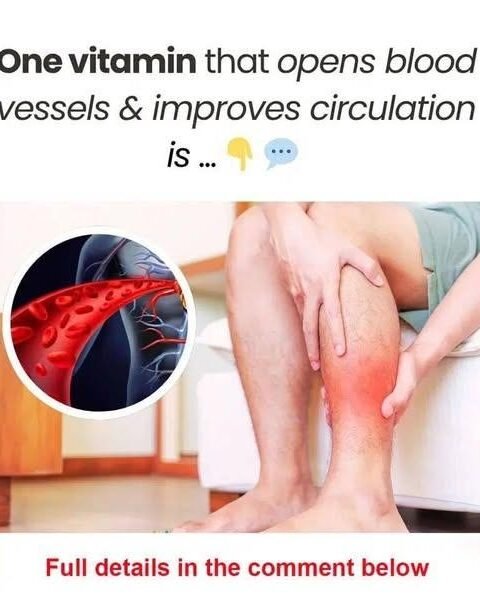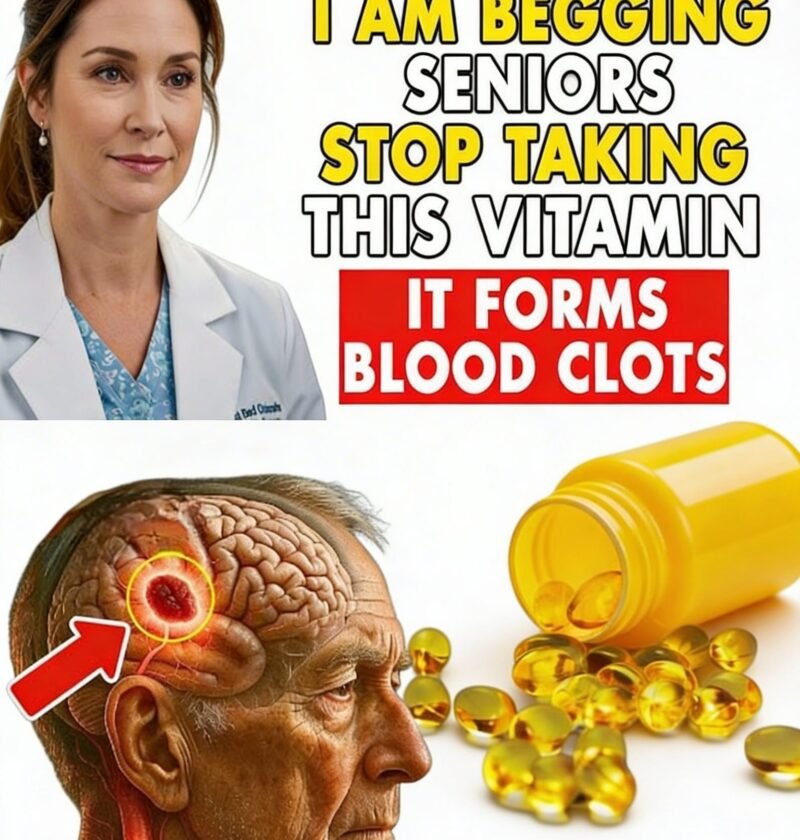
That headline is partly based on a real safety concern, but the wording is highly sensationalized.
The vitamin it is most likely referring to is vitamin E. High-dose vitamin E supplements can interfere with blood clotting and may increase the risk of bleeding, including hemorrhagic (bleeding) stroke. The NIH specifically warns about this risk, particularly with high-dose supplements and when vitamin E is combined with anticoagulant or antiplatelet medications.
O
Office of Dietary Supplements
+1
What seniors should know
Vitamin E from food isn’t the concern. Foods such as nuts, seeds, vegetable oils, and leafy greens provide vitamin E without the same concern associated with high-dose supplementation.
O
Office of Dietary Supplements
More isn’t necessarily better. Some clinical trials found increased hemorrhagic-stroke risk among people taking supplemental vitamin E.
O
Office of Dietary Supplements
Blood thinners matter. Vitamin E can increase bleeding risk when taken with medicines such as warfarin and some antiplatelet drugs.
O
Office of Dietary Supplements
It doesn’t happen “overnight.” The headline makes it sound as though taking one vitamin pill suddenly causes a stroke. That’s not an accurate description of the evidence; the concern is primarily supplementation, dose, duration, and individual risk factors.
Don’t stop a prescribed medication or supplement abruptly without discussing it with your doctor or pharmacist.
For stroke prevention, the bigger evidence-based priorities are controlling blood pressure, cholesterol, diabetes, smoking, physical inactivity, and diet. The American Heart Association’s current prevention guidance emphasizes these established risk factors rather than relying on vitamin supplements.
P
professional.heart.org
+1
If you tell me which vitamin the article claims is dangerous, I can fact-check that specific claim and explain whether it is actually a concern for older adults.
O
P
Sources