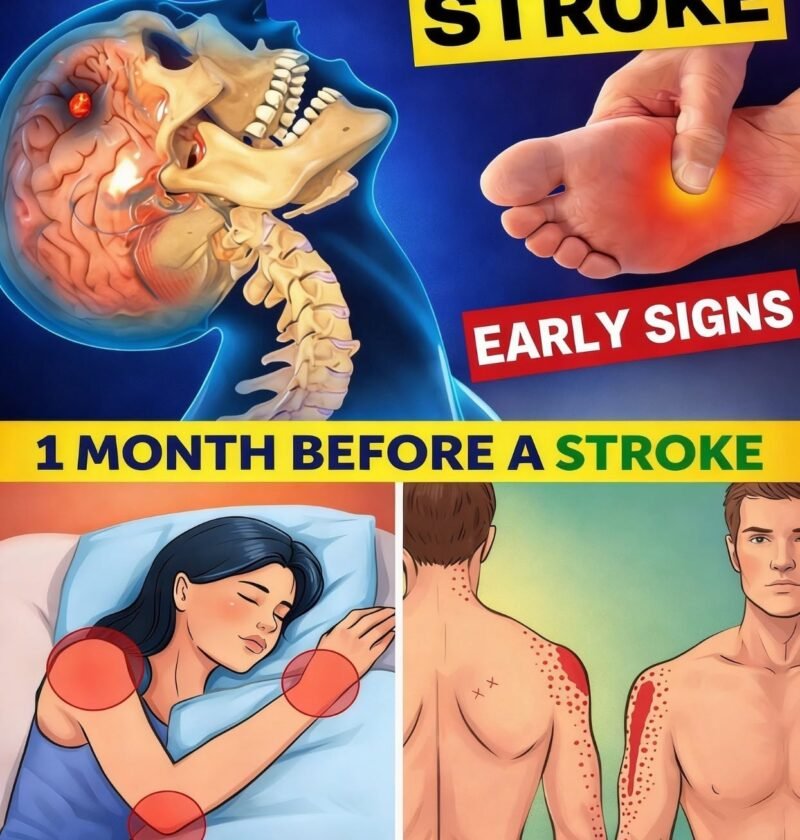
Recognizing the early warning signs of a stroke—sometimes weeks before a major event—can be life-saving. While strokes often happen suddenly, the body can sometimes send subtle signals that blood flow to the brain is temporarily or partially compromised.
8 Warning Signs That Can Appear Before a Stroke
-
Transient Ischemic Attacks (TIAs or “Mini-Strokes”): Often occurring days or weeks prior, a TIA causes stroke-like symptoms (such as temporary weakness or speech trouble) that resolve quickly. Never ignore a TIA, as it is a major warning sign of an impending major stroke.
-
Unexplained, Sudden Headaches: A severe, sudden headache—often described as the “worst headache of your life” or accompanied by dizziness and confusion—can signal a bleeding stroke or restricted blood flow.
-
Brief Episodes of Dizziness or Balance Loss: Feeling suddenly off-balance, unsteady, or experiencing vertigo without a clear inner-ear cause can indicate compromised blood flow to the back of the brain.
-
Sudden Vision Changes: Brief blurriness, double vision, or temporary loss of sight in one or both eyes can occur when blood supply to the visual cortex or optic nerves is disrupted.
-
Subtle Facial Droop or Numbness: A mild, fleeting feeling of heaviness, tingling, or numbness on one side of the face, mouth, or tongue.
-
Transient Weakness or Clumsiness: Sudden difficulty holding objects, unexplained clumsiness in one hand, or a mild dragging of one leg.
-
Mild Speech or Cognitive Confusion: Momentary trouble finding words, slurring speech for a few seconds, or feeling unusually disoriented.
-
Unexplained Fatigue and Mental Fog: A sudden, overwhelming sense of exhaustion or cognitive slowing that doesn’t align with normal tiredness.
9 Tips to Prevent a Stroke
-
Manage Blood Pressure: High blood pressure is the single leading cause of strokes. Regularly monitor your blood pressure and follow your doctor’s plan to keep it in a healthy range.
-
Keep Cholesterol and Blood Sugar in Check: High LDL (“bad”) cholesterol narrows arteries, while uncontrolled diabetes damages blood vessels over time.
-
Stay Physically Active: Aim for at least 150 minutes of moderate aerobic exercise (like brisk walking, swimming, or cycling) per week to strengthen your heart and improve circulation.
-
Eat a Heart-Healthy Diet: Focus on whole grains, leafy greens, healthy fats (like olive oil and avocados), and lean proteins while minimizing processed foods, excess sodium, and added sugars.
-
Maintain a Healthy Weight: Excess weight places added strain on your cardiovascular system and increases the risk of high blood pressure and diabetes.
-
Limit Alcohol and Avoid Smoking: Smoking drastically accelerates plaque buildup in your arteries and thickens the blood, while heavy drinking spikes blood pressure.
-
Treat Underlying Heart Conditions: Conditions like atrial fibrillation (AFib) can cause blood clots to form in the heart and travel to the brain. Managing AFib with medication or medical oversight is crucial.
-
Prioritize Quality Sleep: Chronic sleep deprivation or untreated sleep apnea are closely linked to high blood pressure and increased stroke risk.
-
Schedule Regular Medical Checkups: Routine blood work and screenings help catch silent risk factors—like creeping blood pressure or high cholesterol—long before they cause an emergency.
Emergency Reminder: If you or someone nearby experiences the classic FAST signs—Facial drooping, Arm weakness, Speech difficulty, or Time to call emergency services—call for medical help immediately. Do not wait to see if symptoms pass.
Are you looking for ways to manage specific stroke risk factors, like blood pressure, or seeking general heart-health advice?