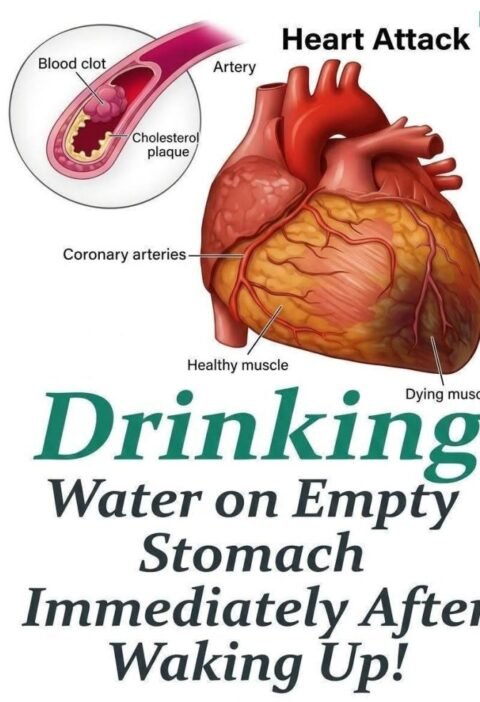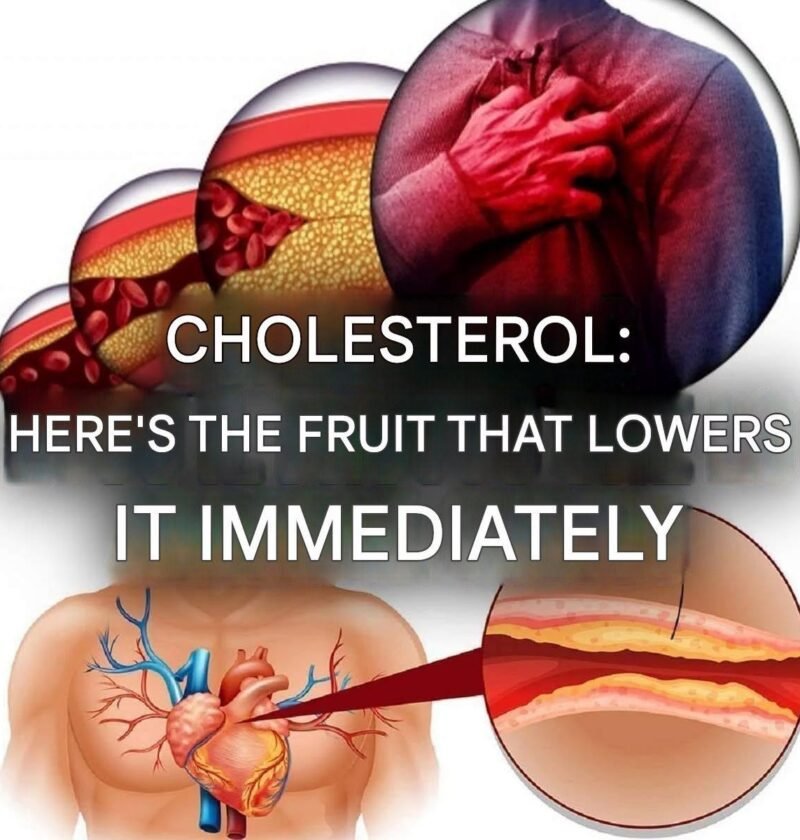
Viral health articles and social media videos love to hype up a “miracle fruit” with clickbait titles like this, claiming it can single-handedly cure high blood pressure, wipe out cholesterol, and solve all your health woes.
While eating fruit is undeniably fantastic for your health, no single piece of produce is a magical pharmaceutical replacement. However, certain fruits do pack an exceptional nutritional punch backed by solid medical science.
Here is the truth behind what specific fruits can—and cannot—do for your blood pressure and cholesterol:
1. Controlling Blood Pressure: The Potassium Connection
When articles talk about a fruit controlling blood pressure, they are usually referring to fruits rich in potassium and antioxidants (like bananas, avocados, kiwis, and citrus fruits).
-
How it helps: Potassium helps your body get rid of excess sodium through urine and eases tension in the walls of your blood vessels. Lowering sodium and relaxing blood vessels naturally helps reduce overall blood pressure.
-
The Reality: While eating potassium-rich fruit is a great preventative habit, it won’t instantly normalize dangerously high blood pressure on its own if you have chronic hypertension or a high-sodium diet.
2. Lowering Cholesterol: The Power of Soluble Fiber
When it comes to cholesterol, certain fruits—most notably apples, berries, citrus fruits, and pears—stand out because they are rich in a specific type of soluble fiber called pectin.
-
How it helps: Pectin acts like a sponge in your digestive tract, binding to cholesterol and bile acids and helping your body excrete them before they can be absorbed into your bloodstream. This gently encourages your liver to pull “bad” LDL cholesterol out of your blood to make more bile, gradually lowering your overall numbers.
-
The Reality: Fiber-rich fruits are fantastic supporting players in a heart-healthy diet, but managing significant hypercholesterolemia often requires a broader lifestyle shift (like reducing saturated fats) or medical guidance.
The Verdict
While there is no single “magic fruit,” incorporating a colorful variety of fiber- and potassium-rich fruits into your daily routine is one of the tastiest, most evidence-backed ways to support your cardiovascular system.