When viral clickbait headlines tease that “if you have this plant in your house, then you have…” followed by a mysterious ellipsis, they are using a classic curiosity-gap trick. Whether the missing words are supposed to be a secret cancer cure, an ultimate bug repellent, or a toxic hazard, these posts almost always exaggerate the actual properties of common household houseplants.
To separate online sensationalism from botanical reality, let’s look at the truth about popular indoor plants—both their actual benefits and the rare safety caveats you should keep in mind:
What Common Houseplants Actually Do For Your Home
While viral posts often claim houseplants can miraculously purify your entire house of toxins or act as natural medical pharmacies, their real contributions are more grounded (yet still wonderful):
-
Psychological and Mood Boosting:
-
The Reality: Numerous studies show that having living greenery indoors helps reduce stress, lowers cortisol levels, and creates a calmer, more pleasant living environment. Caring for plants gives a sense of daily routine and fulfillment.
-
-
Subtle Humidity Regulation:
-
The Reality: Plants release moisture into the air through a process called transpiration. While they aren’t powerful enough to replace a room humidifier, having a collection of leafy plants can slightly boost the local humidity in dry indoor spaces.
-
-
The “Clean Air” Myth:
-
The Reality: You might have heard that plants “purify indoor air” based on a famous 1989 NASA study. However, scientists later pointed out that those experiments were conducted in sealed, airtight chambers. In a normal home with regular air exchange, you would need hundreds of dense plants packed tightly into every room to match the air-filtering capacity of a standard ventilation system. They are lovely decor, but not air purifiers.
-
The Real Things to Watch Out For (The Actual Hazards)
Instead of magical healing powers, the genuine concerns associated with indoor plants usually revolve around safety for pets and children:
-
Pet Toxicity (Calcium Oxalate Crystals):
-
The Reality: Many popular houseplants—such as Pothos, Philodendrons, Dieffenbachia (Dumb Cane), and Peace Lilies—contain microscopic needle-like crystals of calcium oxalate. If a curious cat or dog chews on the leaves, these crystals pierce the oral tissues, causing intense burning, drooling, and swelling in the mouth. If you have pets, it is vital to research whether your specific plants are pet-safe or keep them entirely out of reach.
-
-
Mold and Moisture in the Soil:
-
The Reality: Overwatering houseplants or letting water pool in cachepots creates a damp environment where harmless molds or fungus gnats can thrive. If you have severe indoor mold allergies, keeping soil well-managed and letting the top layer dry out between waterings is important.
-
The Bottom Line
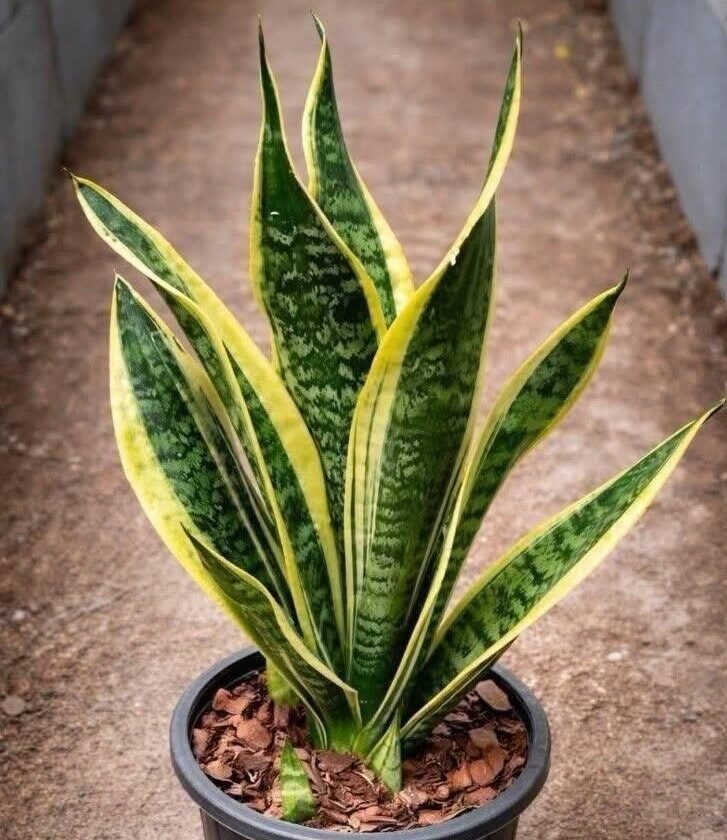
Enjoying houseplants like snake plants, pothos, succulents, or ferns is a fantastic, rewarding hobby that brings life and color into your home. You don’t need to look to them as miracle cures or fear them as hidden dangers—just keep them watered, give them appropriate light, and check if they are pet-friendly if you have furry companions running around.
Are you trying to identify a specific houseplant you recently brought home, or were you tracking down a viral plant claim online?