Navigating Vitamin Habits: Understanding Stroke Risk for Older Adults and Brain Health
Vitamins are important for maintaining overall health and normal brain function, but taking more vitamins does not necessarily mean better protection against stroke. For older adults, supplements should generally be used to correct a deficiency or meet a specific nutritional need rather than as a substitute for proven stroke-prevention measures.
N
NIA
+1
Some important points:
Vitamin B12: Older adults can have difficulty absorbing B12 from food, so supplementation may be appropriate when a deficiency or absorption problem exists.
N
NIA
Vitamin D: Adequate vitamin D is important for health, but taking vitamin D supplements solely to prevent stroke isn’t established as a reliable strategy.
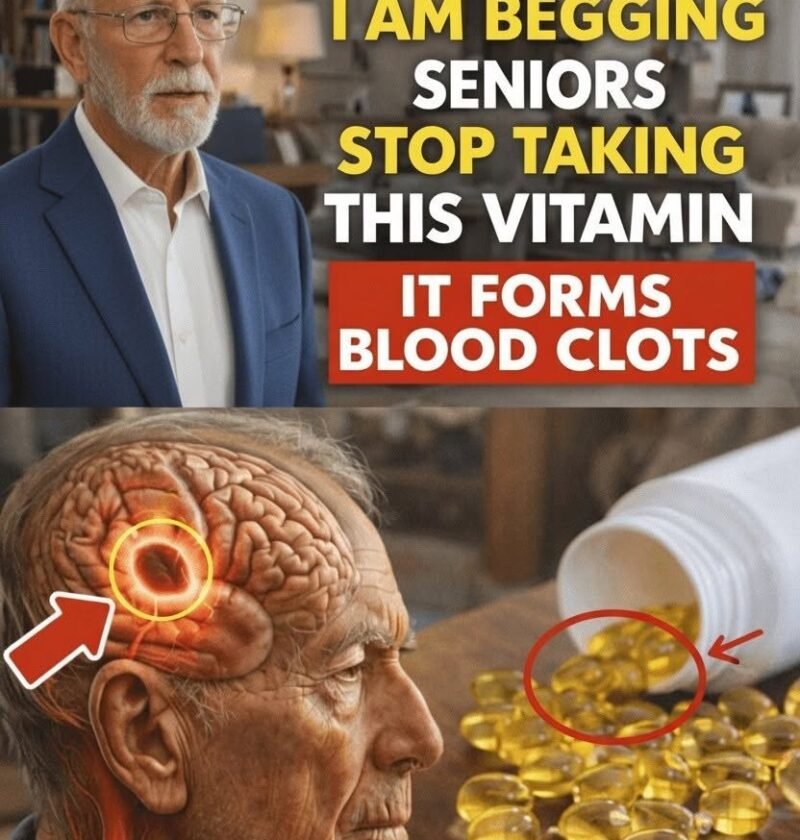
Vitamin E: High-dose vitamin E supplements should not be assumed to protect the brain or prevent stroke. Clinical trials have found no cardiovascular benefit, and some research has associated supplementation with increased risk of hemorrhagic stroke.
O
ODS
+1
B vitamins and folate: Research has explored their relationship with stroke risk, but observational associations don’t mean that taking high-dose supplements will prevent stroke.
P
PubMed
Food first: A varied diet containing vegetables, fruits, whole grains, legumes, nuts, fish, and other healthy foods provides many nutrients important for brain and cardiovascular health.
W
www.stroke.org
For older adults, the biggest opportunities for stroke prevention are usually controlling blood pressure, managing cholesterol and diabetes, staying physically active, avoiding tobacco, maintaining a healthy weight, eating well, and taking prescribed medications as directed. High blood pressure is the most important controllable stroke risk factor.
N
NINDS
+1
Bottom line: Don’t start or stop a vitamin supplement specifically to prevent stroke without discussing it with a healthcare professional—particularly if you’re taking blood thinners or other medications. Supplements can interact with medicines and can cause harm at excessive doses.
N
NIA
N
O
P
Sources