If you’re using that as a headline for an article or video, the key message should be nuanced: medicines aren’t necessarily “bad” simply because they can affect the kidneys. Many have important benefits, and kidney risk depends on the drug, dose, duration, hydration, other medicines, and a person’s underlying kidney function.
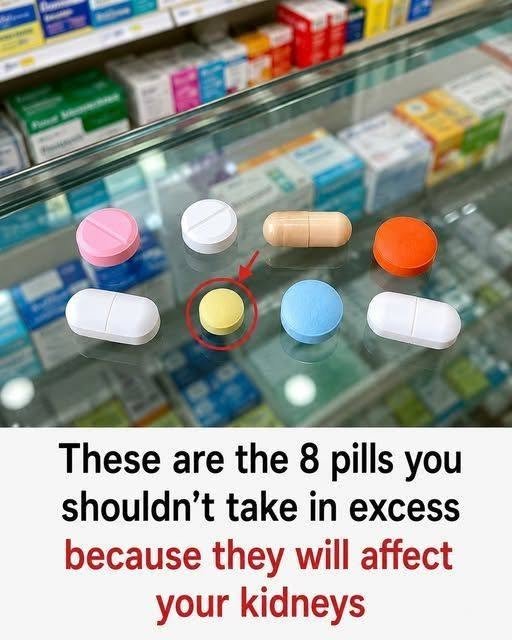
8 everyday medicines that can affect kidney health
- Ibuprofen — an NSAID that can reduce blood flow to the kidneys and, particularly at higher doses or in vulnerable people, contribute to acute kidney injury.
- Naproxen — another NSAID with similar kidney concerns. The risk becomes more important with dehydration, existing kidney disease, or combinations with certain blood-pressure medicines/diuretics.
- Diclofenac — an NSAID that can affect kidney function, particularly with prolonged or higher-dose use.
- Celecoxib — a prescription NSAID; despite being more selective for COX-2, it can still carry kidney-related risks.
- Meloxicam — another NSAID that can contribute to kidney injury, especially in people with additional risk factors.
- ACE inhibitors/ARBs — drugs such as lisinopril or losartan are commonly used to protect the kidneys in certain conditions, but kidney function and potassium sometimes need monitoring. Their AKI risk rises when combined with factors such as dehydration, NSAIDs, or diuretics.
- Diuretics (“water pills”) — medicines such as furosemide can be essential for controlling blood pressure or fluid overload, but dehydration or combinations with other drugs can increase the risk of acute kidney injury.
- Certain antibiotics — some antibiotics can cause kidney injury, particularly in people who are already medically vulnerable or receiving certain high-dose treatments.
So why are they still sold?
Because risk isn’t the same as “never use.” These medicines can provide substantial benefits when appropriately selected and dosed. Regulators generally manage known risks through dosing limits, warnings, contraindications, monitoring recommendations, and labeling rather than removing an otherwise useful medicine from the market.
For example, the FDA says OTC pain relievers can be safe and effective when used according to their labeling, while also warning that NSAIDs can cause kidney problems in some people.