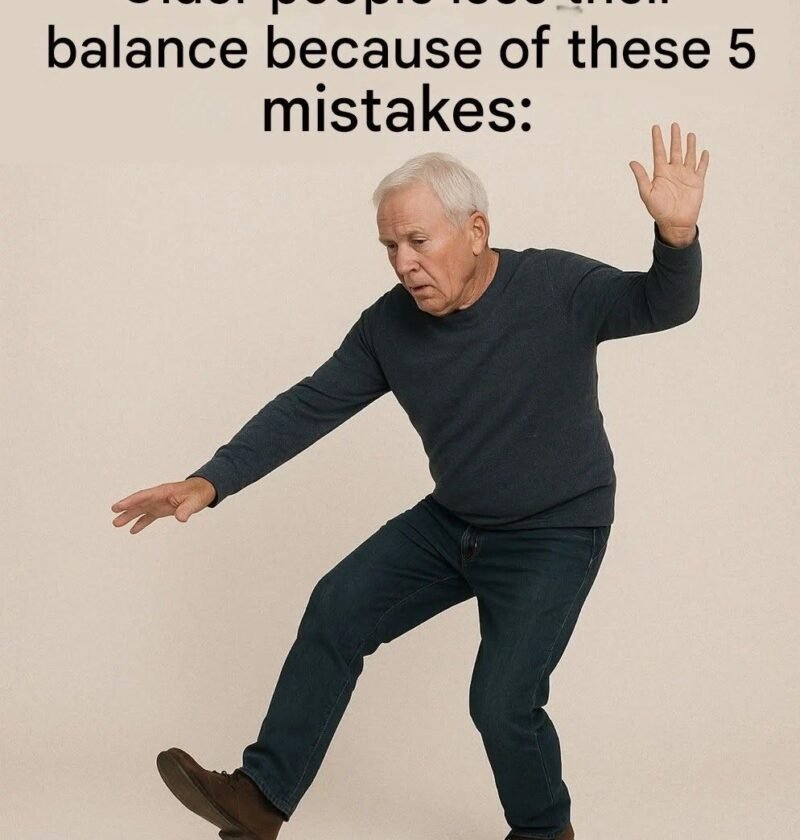
5 Common Mistakes That Can Increase Fall Risk in Older Adults
Balance problems aren’t simply an unavoidable part of aging. Some everyday habits and environmental hazards can significantly increase the risk of falls.
-
Wearing unsafe footwear 👟
Loose slippers, smooth soles, or poorly fitting shoes can reduce stability. Supportive, well-fitting shoes with good traction are generally safer. -
Getting up too quickly
Standing suddenly can cause a temporary drop in blood pressure and dizziness. Sit at the edge of the bed for a moment before standing, especially after lying down for a long time. -
Ignoring vision or hearing problems 👓
Poor vision can make obstacles and changes in floor level harder to detect. Regular eye examinations and appropriate glasses can help. -
Leaving trip hazards around the home 🏠
Loose rugs, electrical cords, clutter, and poorly lit stairways are common hazards. Keep walking paths clear and use adequate lighting, especially at night. -
Not addressing medications or health conditions that affect balance 💊
Some medications can cause dizziness or drowsiness, while conditions affecting the nerves, inner ear, joints, blood pressure, or muscles can impair balance. A clinician or pharmacist can review medications and contributing conditions.
One of the best ways to protect balance
Regular strength and balance exercises can help maintain muscle strength and reduce fall risk. If someone has already fallen, feels unsteady, or has developed a new balance problem, it’s worth getting assessed rather than simply slowing down or avoiding activity.
A sudden loss of balance accompanied by facial drooping, weakness, numbness, speech difficulty, or severe dizziness can be a stroke—seek emergency care immediately.