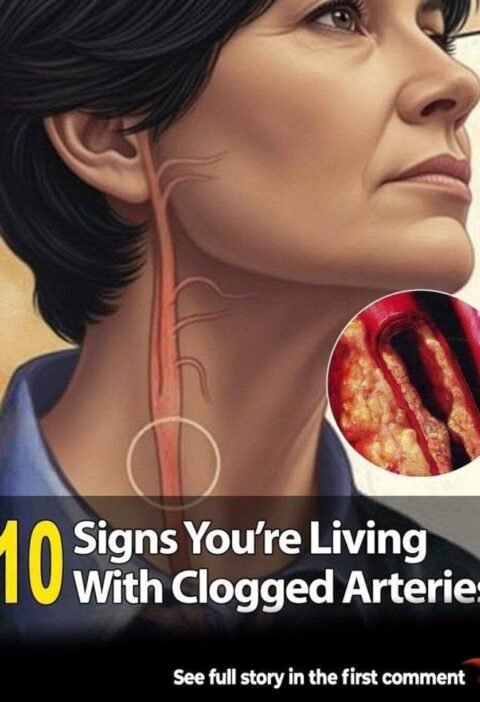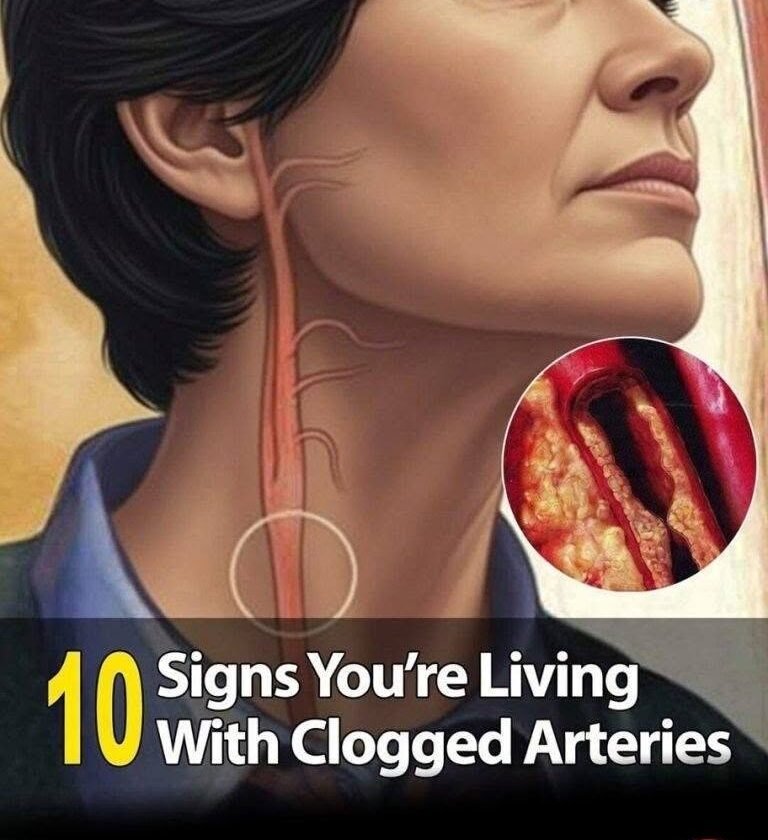
Blocked arteries (atherosclerosis) occur when plaque—made of cholesterol, fat, and other substances—builds up inside your arteries. This restricts blood flow and can lead to serious conditions like heart attacks or strokes. Because your body often sends warning signals early on, recognizing these symptoms can save your life.
Here are 10 important indicators of blocked arteries that you should never ignore:
1. Chest Pain or Discomfort (Angina)
-
What it feels like: A feeling of pressure, tightness, squeezing, or burning in the chest.
-
Why it happens: It occurs when the coronary arteries supplying blood to the heart muscle become narrowed, reducing oxygen supply during physical exertion or stress.
2. Shortness of Breath
-
What it feels like: Feeling winded after mild physical activity or even while resting, as if you cannot catch your breath.
-
Why it happens: If your heart cannot pump blood efficiently due to blockages, it can cause fluid to back up into the lungs or deprive the body of sufficient oxygen.
3. Pain, Numbness, or Weakness in the Limbs (Claudication)
-
What it feels like: Aching, cramping, or numbness in your legs, calves, hips, or arms, particularly when walking or exercising.
-
Why it happens: This is a hallmark sign of Peripheral Artery Disease (PAD), indicating that plaque buildup has narrowed the arteries supplying blood to your extremities.
4. Fatigue and Weakness
-
What it feels like: Persistent, unexplained exhaustion that makes daily tasks difficult, even after getting adequate sleep.
-
Why it happens: When your heart has to work harder to push blood through narrowed arteries, overall blood circulation drops, leaving your muscles and organs starved for energy.
5. Dizziness or Lightheadedness
-
What it feels like: Sudden unsteadiness, feeling faint, or experiencing vertigo, especially when standing up quickly.
-
Why it happens: This can occur if blocked arteries (such as the carotid arteries in the neck) restrict blood flow to the brain, or if heart issues cause a sudden drop in blood pressure.
6. Erectile Dysfunction (ED)
-
What it feels like: Inability to achieve or maintain an erection.
-
Why it happens: ED is often an early warning sign of vascular disease. Because the arteries supplying blood to the penis are smaller than coronary arteries, they tend to show signs of plaque buildup and restricted blood flow much earlier.
7. High Blood Pressure (Hypertension)
-
What it feels like: Often called the “silent killer,” high blood pressure usually has no symptoms until it is severe, but it is routinely caught during a check-up.
-
Why it happens: When arteries become stiff and narrowed from plaque, the heart must exert much more force to circulate blood, causing blood pressure to rise.
8. Cold Hands or Feet
-
What it feels like: Your fingers or toes consistently feel unusually cold compared to the rest of your body, sometimes accompanied by a pale or bluish skin tone.
-
Why it happens: Poor peripheral circulation prevents warm blood from efficiently reaching your extremities.
9. Jaw, Neck, or Back Pain
-
What it feels like: Discomfort, pressure, or a dull ache radiating into the jaw, neck, upper back, or shoulders (more commonly reported by women during cardiac events).
-
Why it happens: Nerves in the heart share pathways with nerves in the upper body, causing referred pain when the heart is deprived of oxygen.
10. Slow-Healing Wounds or Sores on the Feet
-
What it feels like: Cuts, scrapes, or ulcers on the lower legs and feet that take weeks or months to heal, or don’t heal at all.
-
Why it happens: Blood carries the oxygen and nutrients necessary for tissue repair. Severe arterial blockages starve the skin and tissues of these vital healing components.
Important Note: If you experience sudden, severe chest pain, extreme shortness of breath, sudden weakness or numbness on one side of the body, or signs of a heart attack or stroke, seek emergency medical help immediately (call 911 or your local emergency number).
Would you like to know more about lifestyle changes or medical tests used to check for blocked arteries?