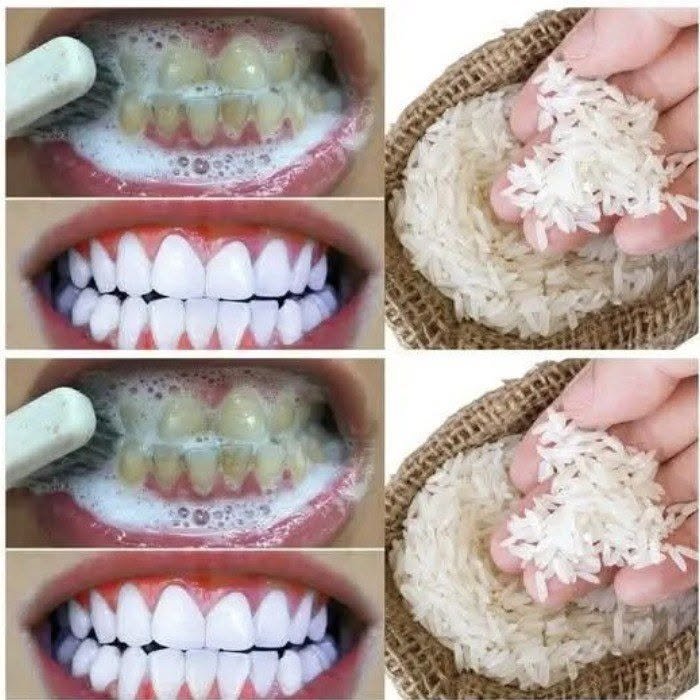
Viral beauty hacks love to promise a Hollywood-white smile in 60 seconds flat, usually by scrubbing your teeth with kitchen staples like baking soda mixed with lemon juice, activated charcoal, or hydrogen peroxide.
While everyone wants a bright smile, rushing to try these fast DIY tricks at home can cause permanent damage to your tooth enamel, trading a temporary illusion of whiteness for long-term dental pain.
Here is a reality check on why those “1-minute home whitening tricks” are risky, along with how dental science actually approaches safe whitening:
Why Popular DIY Whitening Hacks Backfire
-
The Lemon Juice + Baking Soda Acid Trap:
-
The Claim: Squeezing lemon juice into baking soda creates a fizzing paste that strips stains instantly.
-
The Reality: Lemon juice is intensely acidic (citric acid), and baking soda is abrasive. When you mix acid with an abrasive and scrub your teeth, you are essentially chemically etching and sanding away your tooth enamel. Once enamel thins, it exposes the yellowish dentin underneath, meaning the hack actually makes your teeth yellower and permanently more vulnerable to cavities and severe sensitivity.
-
-
Aggressive Activated Charcoal Scrubbing:
-
The Claim: Brushing with black charcoal powder detoxifies and whitens teeth.
-
The Reality: Charcoal is highly abrasive. Brushing hard with it grinds away your protective enamel layer, irritates your gums, and can become permanently trapped in tiny cracks or dental restorations (like fillings or crowns), leaving gray rings around your gum line.
-
-
Unregulated High-Concentration Peroxide:
-
The Reality: Slathering high-strength chemical bleaches bought online onto your teeth without custom trays can leak into your gums, causing chemical burns, tissue blistering, and excruciating nerve sensitivity.
-
What Actually Works Safely
If you want a brighter smile without destroying your teeth, dentistry relies on two safe mechanisms:
-
Surface Stain Removal (Gentle Polishing): Using a standard ADA-accepted whitening toothpaste with low abrasiveness helps lift everyday surface stains from coffee, tea, and food safely over a few weeks using mild polishing agents, without stripping enamel.
-
Controlled Peroxide Bleaching: Professional whitening uses carbamide or hydrogen peroxide gel applied under controlled concentrations. The peroxide molecules safely penetrate the porous enamel to break apart internal stain compounds without dissolving the tooth structure itself.
The Bottom Line
Your tooth enamel is a non-renewable resource—once it wears away, it never grows back. Skip the abrasive kitchen chemistry experiments that promise instant 1-minute fixes. If you want a brighter smile, consult your dentist for safe, custom-tray whitening options that protect your enamel and your gums.
Have you ever tried an online DIY whitening trick, or are you looking for safe ways to manage surface stains from coffee or tea?