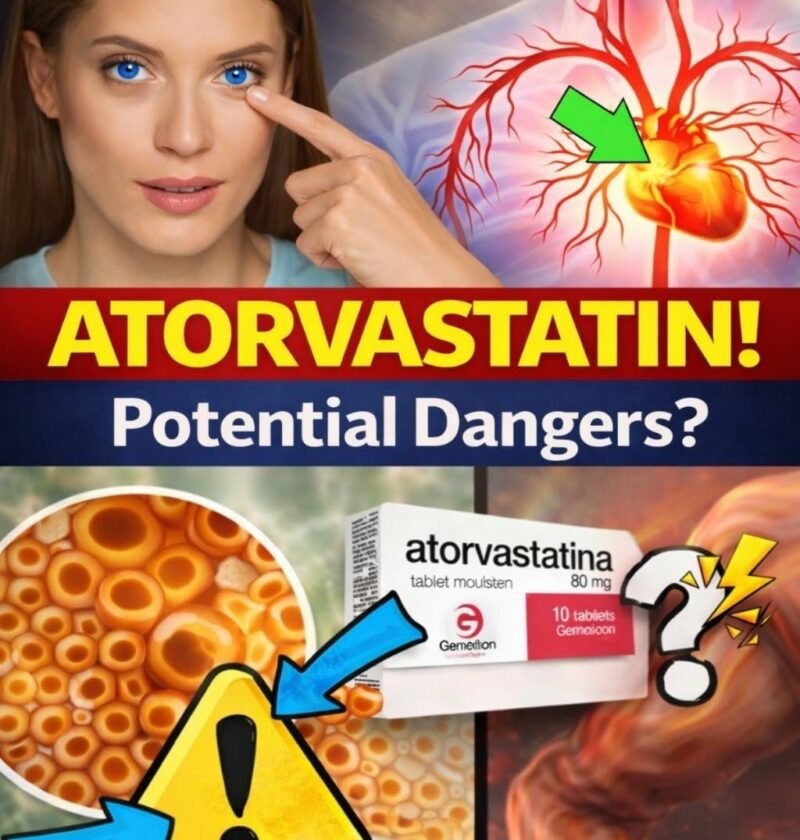
Atorvastatin (commonly known by its brand name Lipitor) is one of the most widely prescribed medications in the world for managing cholesterol and reducing cardiovascular risk. While standard conversations with physicians usually cover common issues like mild muscle aches or digestive upset, clinical data, FDA post-marketing surveillance, and pharmacovigilance reports reveal a range of lesser-known, hidden, or delayed side effects.
Here are 15 hidden or less-discussed side effects of atorvastatin that rarely make it into a brief clinic visit:
1. Immune-Mediated Necrotizing Myopathy (IMNM)
-
The Hidden Risk: Unlike typical statin-induced muscle soreness that resolves when the drug is stopped, IMNM is a rare autoimmune condition. The body’s immune system continues attacking the muscle tissue even after discontinuing atorvastatin, leading to severe, progressive muscle weakness in the hips, thighs, and shoulders.
2. Transient or Persistent Cognitive Impairment
-
The Hidden Risk: Some patients report reversible “brain fog,” memory loss, confusion, or forgetfulness. While these cognitive symptoms are typically non-serious and resolve after stopping or switching the statin, they can be startling and are frequently misattributed to normal aging.
3. New-Onset or Worsening Myasthenia Gravis
-
The Hidden Risk: Statins have been documented to unmask or exacerbate myasthenia gravis—a chronic autoimmune neuromuscular disease characterized by weakness in skeletal muscles. This can manifest as drooping eyelids, double vision, or difficulty chewing, swallowing, and speaking.
4. Tendinopathy and Tendon Rupture
-
The Hidden Risk: Beyond muscle tissue, statins can occasionally impact connective tissues. Rare post-marketing reports link atorvastatin to tendon inflammation (tendinopathy) and, in extreme cases, spontaneous tendon ruptures (such as the Achilles tendon).
5. Peripheral Neuropathy
-
The Hidden Risk: Long-term use has been associated with peripheral nerve damage. This often presents as subtle, creeping numbness, tingling, a “pins and needles” sensation, or burning pain primarily in the hands and feet.
6. Subtly Elevated Blood Sugar and HbA1c
-
The Hidden Risk: While atorvastatin effectively protects the heart, it can incrementally push up fasting blood glucose and HbA1c levels. For individuals already on the borderline of pre-diabetes, this metabolic shift can sometimes cross the threshold into a formal diagnosis of type 2 diabetes.
7. Interstitial Lung Disease (ILD)
-
The Hidden Risk: In very rare instances, statin therapy has been linked to pulmonary inflammation and scarring, known as interstitial lung disease. Symptoms typically include unexplained dry cough, shortness of breath, and progressive breathing difficulties.
8. Sleep Disruptions and Vivid Nightmares
-
The Hidden Risk: While not universally listed on standard warning labels, clinical trials and patient registries note an uptick in sleep disturbances, insomnia, and strikingly vivid nightmares or abnormal dreams among a subset of users.
9. Acute Pancreatitis
-
The Hidden Risk: Rare cases of inflammation of the pancreas (pancreatitis) have been reported in patients taking atorvastatin. Symptoms include sudden, severe upper abdominal pain that often radiates through to the back, accompanied by nausea and vomiting.
10. Depression and Mood Changes
-
The Hidden Risk: Psychiatric side effects, including depressive symptoms, flat mood, or irritability, are occasionally reported. Because cholesterol plays a vital role in brain cell membrane maintenance and hormone signaling, altering lipid pathways can occasionally have subtle psychological downstream effects.
11. Tinnitus (Ringing in the Ears)
-
The Hidden Risk: Unexplained auditory issues, such as a persistent ringing, buzzing, or hissing sound in one or both ears (tinnitus), have been cataloged as uncommon or rare nervous system reactions to atorvastatin.
12. Sexual Dysfunction and Libido Changes
-
The Hidden Risk: Although frequently under-reported due to patient embarrassment, alterations in sexual desire or erectile function can occur. Because cholesterol is the foundational building block for steroid sex hormones (like testosterone and estrogen), significant shifts can impact endocrine balance.
13. Alopecia (Hair Thinning)
-
The Hidden Risk: Dermatologic reactions to atorvastatin occasionally include mild hair loss or hair thinning (alopecia). While typically temporary, it can be distressing for patients who do not connect the timeline to a new prescription.
14. Severe Cutaneous Reactions (Skin Blistering)
-
The Hidden Risk: Extremely rare, severe skin hypersensitivity reactions—such as Stevens-Johnson syndrome (SJS), toxic epidermal necrolysis (TEN), and erythema multiforme—have been reported. These involve widespread painful blistering, peeling skin, and sores in the mucous membranes.
15. Asymptomatic Liver Enzyme Elevations
-
The Hidden Risk: While full-blown liver failure is exceptionally rare, atorvastatin commonly causes silent spikes in liver transaminases (ALT and AST). Because you cannot “feel” your liver enzymes rising, routine blood monitoring by your physician is the only way to catch this hidden stress early.
A Quick Note on Safety: Atorvastatin remains a life-saving medication for millions of people at high risk of heart attacks and strokes. The goal of knowing these hidden risks isn’t to induce alarm, but to empower you to listen to your body and have an informed, proactive dialogue with your doctor or pharmacist about any unusual symptoms.
Have you noticed any subtle or unusual symptoms since you started taking atorvastatin, or are you preparing for a routine refill discussion?