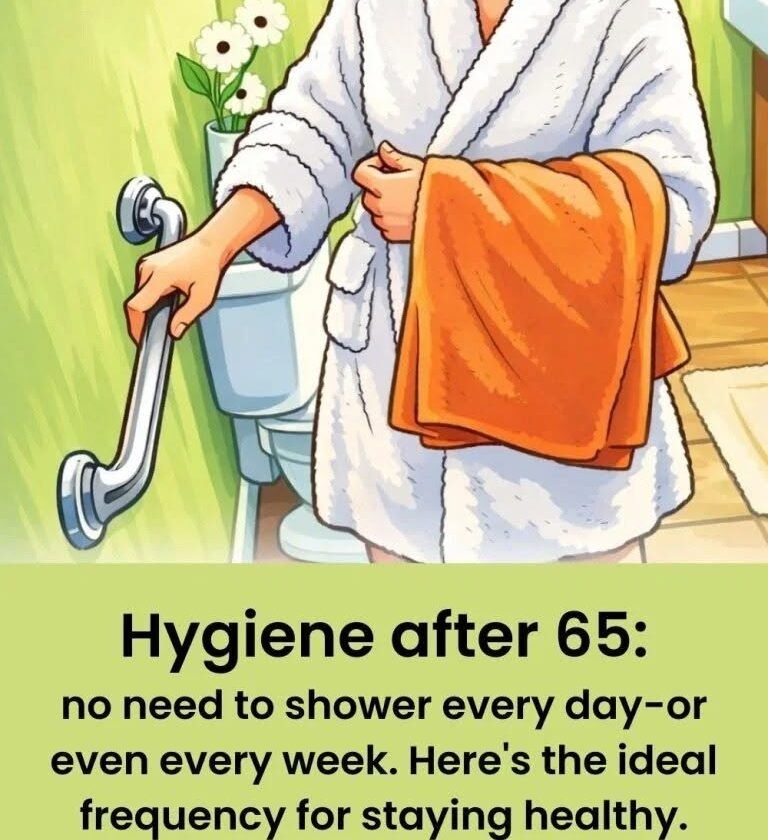
Viral lifestyle headlines love to challenge daily habits, and suggesting that daily showers after 65 “do more harm than good” sounds like sensationalist shock value. However, from a dermatological and physiological perspective, this headline actually holds a grain of medical truth.
As we age, our skin undergoes fundamental structural changes that make daily, hot, soapy scrubbing counterproductive to skin health.
Here is a look at why aging skin reacts differently to frequent washing, separating internet myths from dermatology:
Why Aging Skin Changes the Rules of Bathing
-
Natural Sebum Production Declines
-
The Reality: Throughout youth, our sebaceous (oil) glands produce plenty of sebum, which forms a protective, waterproof barrier on the skin’s surface. After age 60–65, hormone shifts cause oil production to drop sharply. Daily washing strips away what little natural oil is left.
-
-
The Skin Barrier Thins (Xerosis)
-
The Reality: The outermost layer of skin (the stratum corneum) becomes thinner and loses its ability to retain moisture. Frequent hot water and harsh, foaming soaps dissolve the skin’s lipid barrier, leading to a condition called senile xerosis—severe, chronic skin dryness, flaking, cracking, and intense itching.
-
-
Loss of Beneficial Microbes
-
The Reality: Over-scrubbing with antibacterial soaps doesn’t just clear away dirt; it strips the skin’s microbiome—the healthy bacteria that naturally protect against pathogens and inflammation.
-
What Dermatology Recommends After 65
This doesn’t mean older adults shouldn’t stay clean! Rather, it changes how hygiene is approached:
-
Reduce Frequency of Full-Body Soap: Dermatologists often advise that full-body soaping isn’t necessary every single day. Daily cleansing can be limited to “hot spots” (underarms, groin, and feet), while arms, legs, and the torso can simply be rinsed with warm water.
-
Lower the Water Temperature: Long, steaming hot showers feel wonderful, but hot water aggressively melts away skin lipids. Lukewarm or warm water is much kinder to the skin barrier.
-
Switch to Gentle, Hydrating Cleansers: Trade heavy, foaming, heavily fragranced body washes for soap-free, hydrating cleansers or lipid-rich shower oils.
-
The “3-Minute Rule” for Moisturizing: Apply a thick, fragrance-free cream or ointment (like ceramides or petroleum-based lotions) within 3 minutes of stepping out of the shower while the skin is still damp to lock moisture in place.
The Bottom Line
Daily showers aren’t inherently dangerous, but daily aggressive scrubbing with hot water and harsh soap can heavily disrupt aging skin, leading to painful itching and cracked skin barriers that are prone to infection. Adjusting bathing habits to match the skin’s changing physiology keeps you clean, comfortable, and protected.
Are you looking into skin care adjustments for yourself or an older loved one, or are you curious about other everyday wellness habits that shift with age?