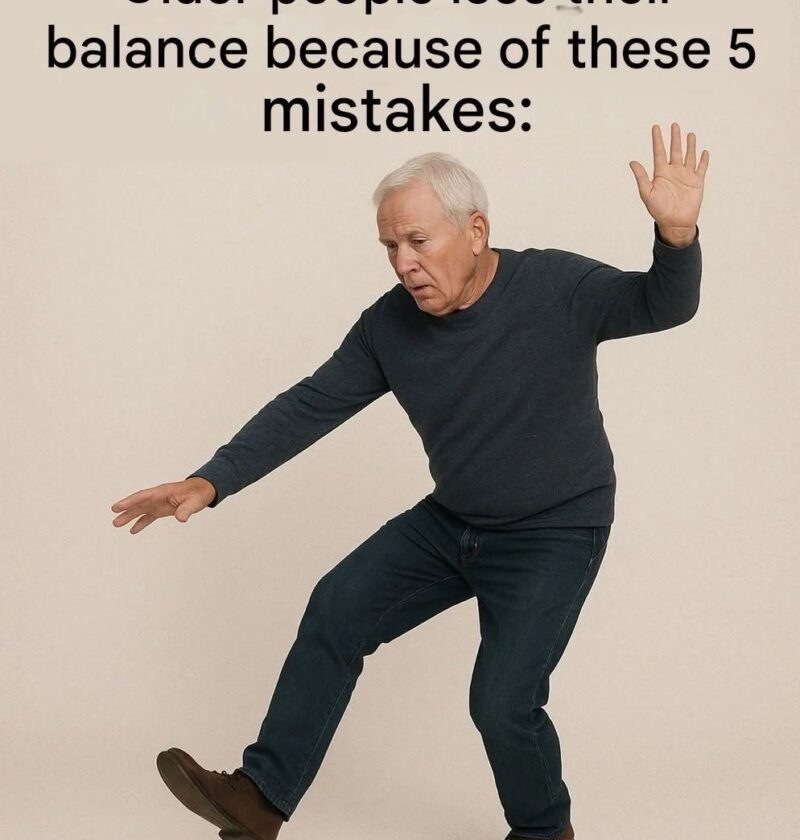
Maintaining balance as we age is critical for preventing falls, preserving independence, and maintaining overall mobility. Here are 5 common mistakes that contribute to balance loss in older adults, along with tips on how to address them:
1. Neglecting Strength Training (Especially in the Legs and Core)
-
The Mistake: Many older adults focus solely on walking for exercise while ignoring strength training. However, age-related muscle loss (sarcopenia) naturally affects the lower body first. Weak quadriceps, calves, glutes, and core muscles make it difficult to stabilize the body when a misstep occurs.
-
The Fix: Incorporate simple resistance exercises twice a week. Bodyweight exercises like chair squats, heel-to-toe stands, and gentle core strengthening can significantly rebuild stabilizing power.
2. Wearing Unsupportive or Improper Footwear
-
The Mistake: Walking around the house in socks, slippers with thin soles, or wearing loose sandals increases the risk of slipping, tripping, or rolling an ankle. As sensory receptors in the feet decline with age, the feet need maximum tactile feedback and structural support.
-
The Fix: Choose supportive shoes with firm, non-slip rubber soles and secure closures (like velcro or laces) even when indoors. Avoid walking barefoot or in slick socks on hardwood or tile floors.
3. Ignoring Vision and Hearing Changes
-
The Mistake: Brushing off gradual changes in eyesight or hearing. Vision is a primary component of balance, helping the brain map where the body is in space. Furthermore, the inner ear houses the vestibular system—our body’s built-in gyroscope—which is closely linked to hearing structures.
-
The Fix: Schedule annual comprehensive eye exams and update prescription lenses promptly. Additionally, get hearing checks, as untreated hearing loss has been directly linked in studies to a higher incidence of falls.
4. Overlooking Medication Side Effects
-
The Mistake: Taking multiple medications (polypharmacy) without reviewing their combined side effects. Many common prescriptions and over-the-counter drugs—including blood pressure medications, sedatives, antihistamines, and antidepressants—can cause dizziness, drowsiness, blurred vision, or lowered blood pressure upon standing (orthostatic hypotension).
-
The Fix: Have a doctor or pharmacist conduct a regular “brown bag review” of all current medications, vitamins, and supplements to identify and minimize balance-impacting side effects.
5. Remaining Too Sedentary (The “Use It or Lose It” Trap)
-
The Mistake: Reducing physical activity out of fear of falling. Ironically, spending too much time sitting or lying down leads to rapid deconditioning, stiffness, and further deterioration of balance reflexes.
-
The Fix: Engage in daily movement and specific balance-focused practices, such as Tai Chi or yoga, which are clinically proven to improve stability, posture, and lower-body coordination.
Key Takeaway: Balance is a skill that can be preserved and improved at any age. Addressing environmental hazards, staying active, and keeping a close eye on health basics can dramatically lower fall risks.
Would you like some specific, beginner-friendly balance exercises that can be safely practiced at home