What is atorvastatin?
Atorvastatin is a prescription medicine in the statin family. It lowers levels of LDL (“bad”) cholesterol by reducing how much cholesterol the liver makes.
Why is it commonly prescribed?
Doctors commonly prescribe atorvastatin to:
-
Lower LDL cholesterol and other blood lipids.
-
Reduce the risk of heart attack and stroke in people at increased cardiovascular risk.
-
Treat high cholesterol, including certain inherited cholesterol disorders.
-
Help prevent cardiovascular complications in people who already have conditions such as coronary artery disease.
How does it work?
Atorvastatin blocks an enzyme in the liver called HMG-CoA reductase. This causes the liver to make less cholesterol and increases its removal of LDL cholesterol from the bloodstream.
What should you know about taking it?
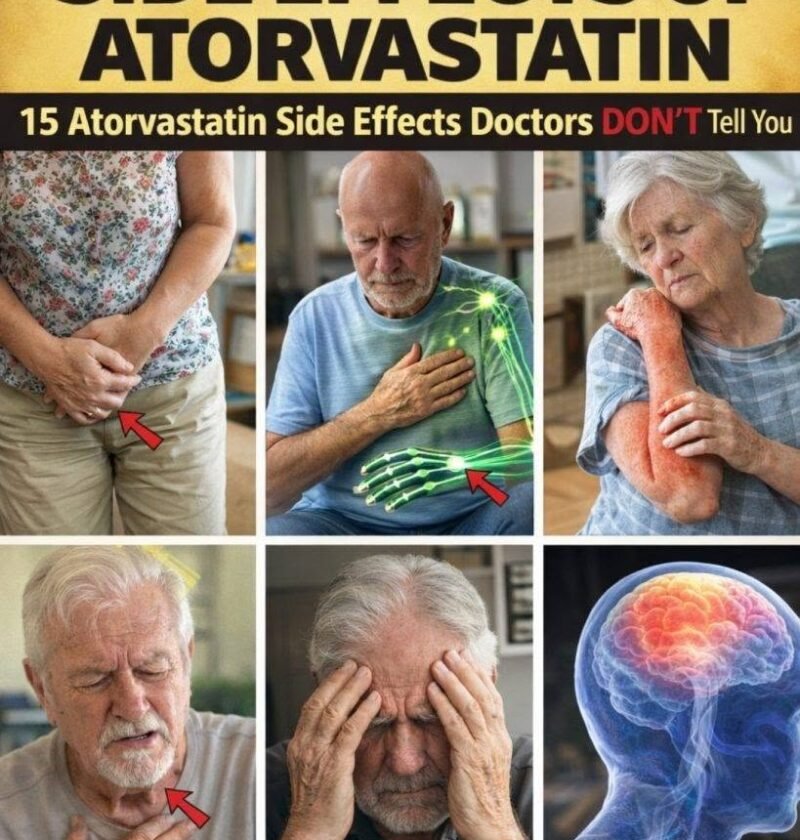
Commonly reported effects include muscle aches, headache, nausea, diarrhea, and digestive discomfort. Serious muscle injury and significant liver problems are uncommon but can occur.
Seek medical advice promptly for unexplained severe muscle pain or weakness, especially with dark urine, or symptoms such as yellowing of the skin or eyes.
Don’t stop atorvastatin on your own, even if you feel well. It is often prescribed to reduce future cardiovascular events, and its benefit may not be something you can feel day to day. If you’re having side effects, a clinician can consider adjusting the dose or changing treatment.