🍓 8 Fruits That Support Heart and Blood-Vessel Health
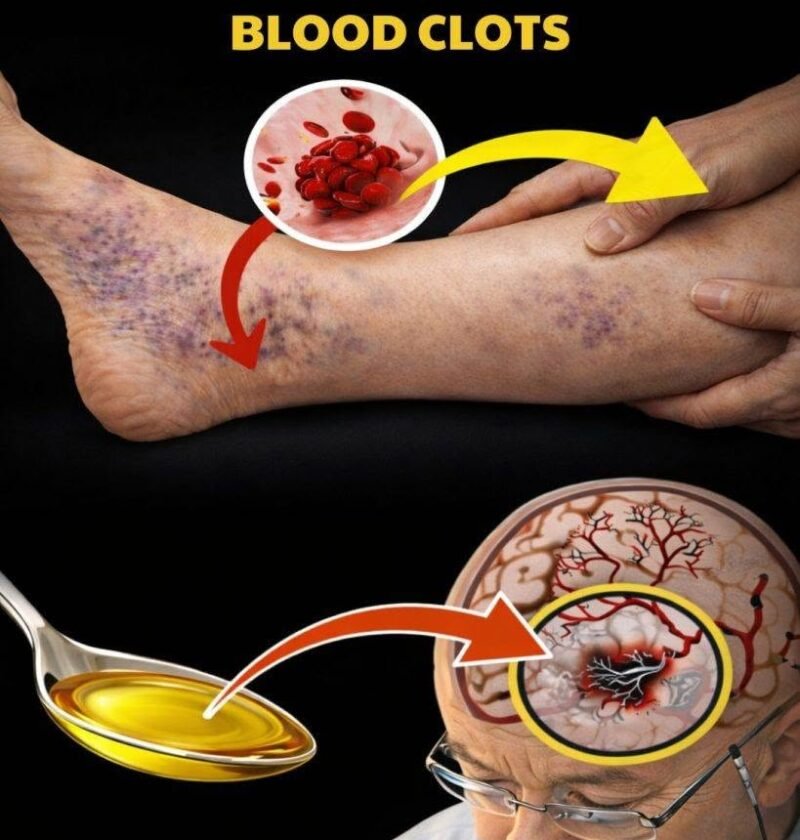
The phrase “blood-thinning fruits” is misleading. No fruit can safely dissolve a blood clot or replace an anticoagulant prescribed by a doctor. A heart-healthy eating pattern that includes plenty of fruit and vegetables can, however, support cardiovascular health. (professional.heart.org)
8 good choices
- Berries — strawberries, blueberries, raspberries and blackberries provide fiber and polyphenols.
- Oranges and other citrus — provide vitamin C, potassium and other beneficial plant compounds.
- Apples — a convenient source of fiber, particularly when eaten with the skin.
- Pears — provide fiber and potassium.
- Pomegranate — nutritious, but don’t treat it as a blood thinner.
- Kiwi — provides vitamin C, fiber and potassium.
- Cherries — rich in polyphenols and can be part of a heart-healthy diet.
- Grapes — provide polyphenols and can be enjoyed as whole fruit.
⚠️ If you’re taking a blood thinner
This is important: don’t dramatically change your diet because of an online list of “blood-thinning foods.”
If you’re taking warfarin, some foods and drinks—including cranberry, grapefruit and pomegranate products—can affect treatment, and vitamin-K-containing foods should generally be eaten consistently rather than suddenly increased or eliminated. (nhs.uk)
These restrictions generally don’t apply in the same way to apixaban, dabigatran, edoxaban or rivaroxaban, but medication-specific advice is still important. (nhs.uk)
Bottom line: Eat a variety of whole fruits as part of a balanced diet, but don’t rely on fruit to prevent or treat a blood clot. If you think you may have a clot—especially new one-sided leg swelling, pain, warmth, or sudden shortness of breath—seek medical attention rather than trying dietary remedies.