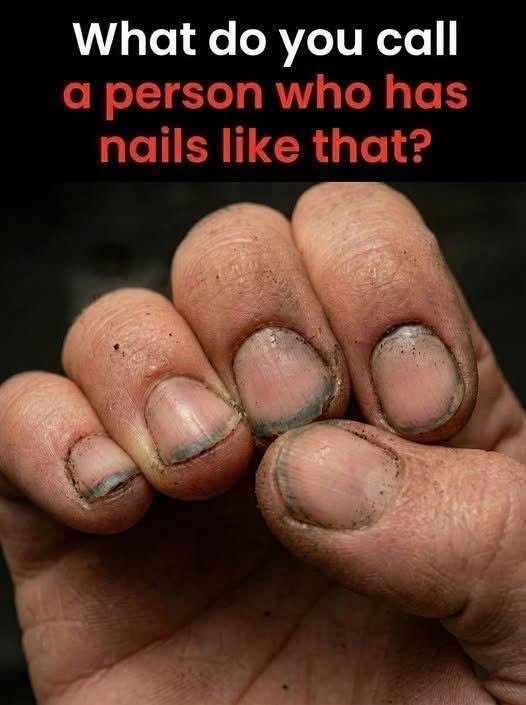
When someone has fingernails or toenails that appear visibly widened, rounded, bulging, and curve downward over the fingertips like an upside-down spoon (often making the nail bed feel spongy or “floating” if pressed), the medical term for this physical finding is digital clubbing (or simply nail clubbing). Historically, it has also been referred to as Hippocratic nails or “watch-glass nails”.
Why It Matters Clinically
Nail clubbing occurs gradually as soft tissues beneath the nail bed thicken, usually driven by chronic low blood-oxygen levels (hypoxia) or localized changes in blood flow. While it can occasionally be an inherited, harmless trait running in families, physicians take clubbing very seriously because it is frequently associated with underlying systemic conditions, most notably:
-
Cardiovascular and pulmonary diseases (such as chronic lung infections, interstitial lung disease, congenital heart defects, or lung cancer).
-
Gastrointestinal disorders (such as inflammatory bowel disease, celiac disease, or liver cirrhosis).
If someone notices uncharacteristic, progressive clubbing in their fingers or toes, it serves as an important visual cue to prompt a thorough medical evaluation of their heart and lungs.