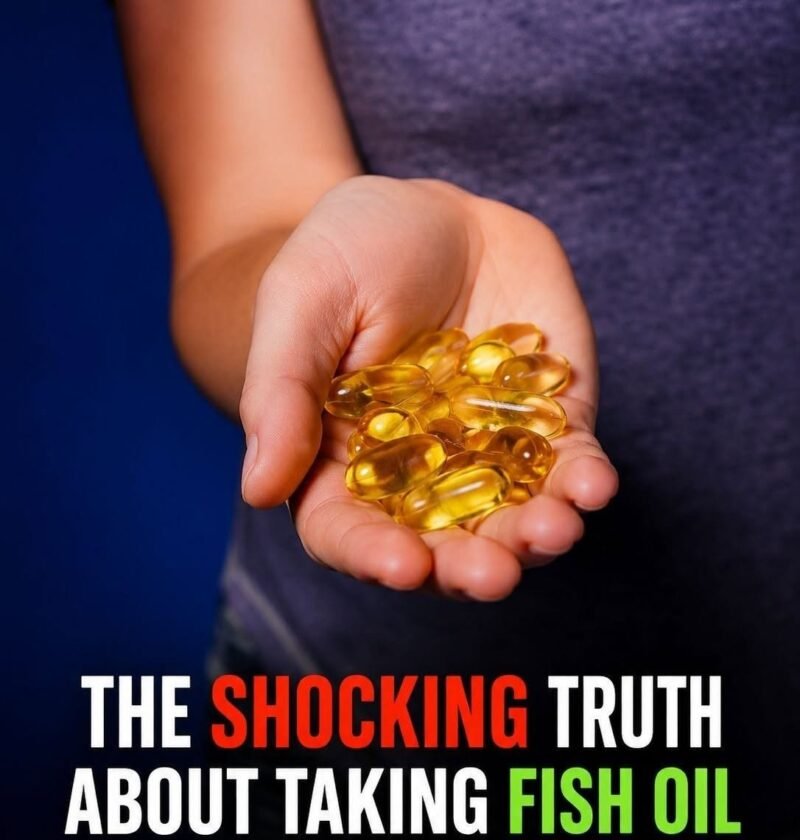
If you take fish oil (omega-3 supplements) daily for 90 days, the effects depend on the dose, your diet, and your baseline omega-3 levels.
What may happen over 90 days
-
Triglycerides may decrease. This is one of the better-established effects of EPA/DHA, particularly at higher doses.
-
Omega-3 levels in your blood and cell membranes increase. A few months is enough for supplementation to measurably change omega-3 status.
-
Heart-health effects are more complicated. Fish oil isn’t a guaranteed way to prevent heart attacks or strokes in otherwise healthy people; benefits depend on the person and the formulation/dose.
-
Dry eyes or inflammatory symptoms may or may not improve. Evidence varies considerably by condition.
-
You may notice digestive side effects, such as fishy burps, nausea, heartburn, loose stools, or an unpleasant aftertaste.
-
There usually isn’t a dramatic visible change after 90 days if you’re taking a standard over-the-counter dose.
A few cautions
High doses can increase the risk of bleeding, particularly when combined with medicines such as warfarin or other anticoagulants/antiplatelet drugs. Some high-dose omega-3 products have also been associated with a small increase in atrial fibrillation risk in certain populations.
If you tell me your age, the fish-oil dose (EPA/DHA amount per day), and what you’re hoping to improve—for example cholesterol, triglycerides, skin, brain health, or general health—I can explain what 90 days is likely to do in that specific situation.