💧 What Happens When You Don’t Drink Enough Water? 8 Signs of Dehydration
Your body needs water for blood circulation, temperature regulation, digestion, joints, and normal kidney function. When you lose more fluid than you replace, dehydration can develop.
8 common signs
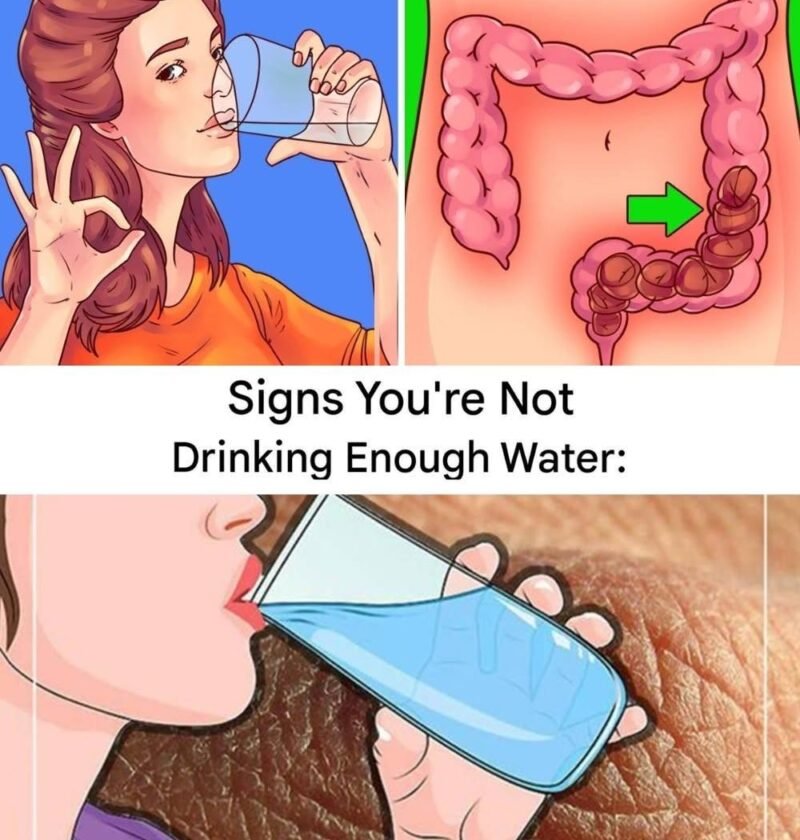
- Dark yellow urine — urine often becomes more concentrated when you’re dehydrated.
- Thirst — a common signal that your body needs fluids, although thirst may be less noticeable in some older adults.
- Dry mouth or lips — reduced saliva can make your mouth feel sticky or dry.
- Headache — dehydration can contribute to headaches in some people.
- Dizziness or lightheadedness — particularly when standing up.
- Tiredness or weakness — fluid loss can affect physical and mental performance.
- Urinating less often — reduced urine output can occur as the body conserves water.
- Dry skin — skin can become dry, although this sign alone isn’t a reliable way to diagnose dehydration.
🥤 How much should you drink?
There’s no single amount that everyone needs. Fluid requirements vary with body size, diet, activity, climate, illness, and medications. Water isn’t the only source—other beverages and water-rich foods contribute too.
Don’t force yourself to drink excessive amounts. Overhydration can also be dangerous, particularly when large quantities of water are consumed rapidly.
🚨 Severe dehydration needs urgent care
Seek medical attention for confusion, fainting, inability to keep fluids down, very little or no urine, extreme weakness, rapid breathing, or a rapid heartbeat.
During hot weather or heavy exercise, replace both fluids and, when appropriate, electrolytes. People with heart or kidney conditions may have individualized fluid restrictions, so they should follow their clinician’s advice rather than simply increasing water intake.