What Is Atorvastatin and Why Is It Commonly Prescribed?
Atorvastatin is a prescription medicine in the statin family. Doctors commonly prescribe it to lower cholesterol—especially LDL (“bad”) cholesterol—and to reduce the risk of heart attack and stroke in people who are at increased cardiovascular risk.
🩺 How Does Atorvastatin Work?
Atorvastatin reduces the liver’s production of cholesterol and helps the liver remove more LDL cholesterol from the bloodstream.
Lower LDL levels can help slow the buildup of fatty deposits in arteries.
❤️ Why Might Your Doctor Prescribe It?
Atorvastatin may be recommended if you:
- Have high LDL cholesterol
- Have heart or blood-vessel disease
- Have diabetes with increased cardiovascular risk
- Have certain inherited cholesterol disorders
- Have a high overall risk of heart attack or stroke
The purpose isn’t simply to improve a cholesterol test—it can help lower the risk of serious cardiovascular events when prescribed appropriately.
💊 How Is It Taken?
Atorvastatin is usually taken once a day, with or without food. The dose depends on your cholesterol levels, cardiovascular risk, other medical conditions, and medications.
Because high cholesterol often has no symptoms, feeling well doesn’t mean you should stop the medication.
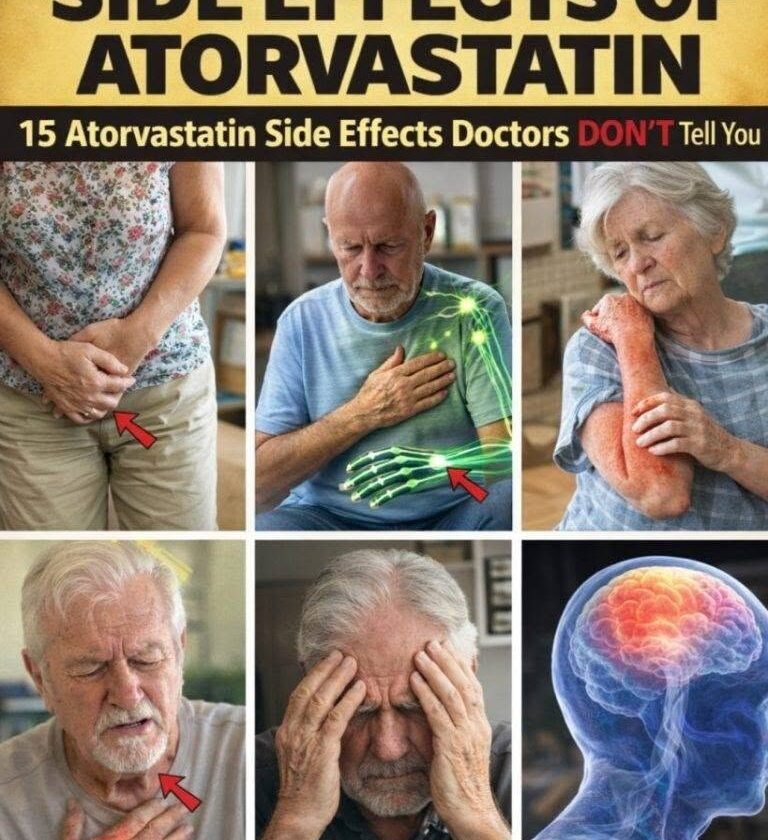
⚠️ What Side Effects Should You Know About?
Most people tolerate atorvastatin well, but possible side effects include:
- Muscle aches or weakness
- Headache
- Digestive problems
- Changes in liver enzymes
Severe or unexplained muscle pain or weakness, especially with dark urine, should be reported promptly to a healthcare professional.
🍊 What About Grapefruit?
Grapefruit and grapefruit juice can increase atorvastatin levels in the body. Large amounts may increase the risk of side effects, so ask your doctor or pharmacist how much is appropriate for you.
Also tell your healthcare professional about all medications, vitamins, and supplements you’re taking because atorvastatin can interact with certain drugs.
Bottom Line
Atorvastatin is one of the most widely used medicines for lowering LDL cholesterol and reducing cardiovascular risk. Don’t stop or change your dose on your own. If you’re concerned about side effects or interactions, talk with your doctor or pharmacist—they can determine whether the medication and dose are right for you.