Weak or Brittle Nails: What Your Body May Be Trying to Tell You
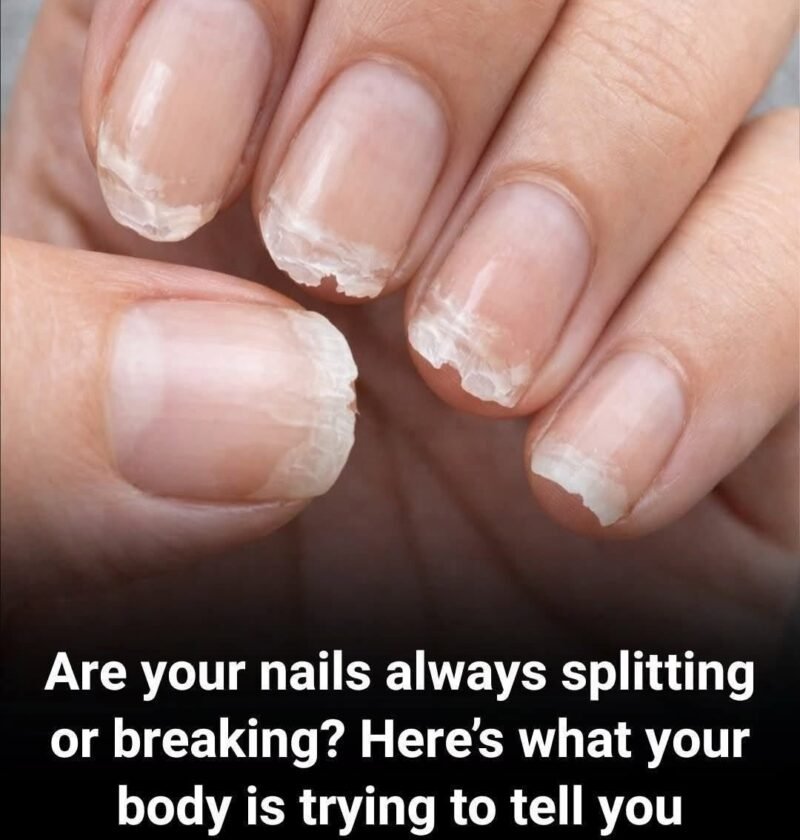
Brittle, peeling, splitting, or unusually thin nails are common and often harmless. They don’t automatically mean you’re deficient in a particular vitamin. Nails can reflect what’s happening in the body, but changes in the nails alone usually can’t diagnose a disease.
1. Frequent exposure to water and chemicals 💧
Repeatedly wetting and drying your hands, washing dishes, using cleaning products, or exposing nails to solvents can make them dry and brittle.
Wearing gloves for wet household work and using a moisturizer regularly can help.
2. Iron deficiency
Iron-deficiency anemia can sometimes be associated with nail changes, including unusually thin or spoon-shaped nails (koilonychia). Other symptoms can include fatigue, weakness, dizziness, or shortness of breath.
Don’t automatically start an iron supplement based solely on brittle nails. Too much iron can be harmful, and a blood test can determine whether deficiency is actually present.
3. Thyroid problems
Thyroid disorders can sometimes cause changes in the nails, hair, and skin. Brittle nails by themselves, however, aren’t enough to diagnose a thyroid problem.
4. Nutritional deficiencies
Inadequate nutrition can affect nail growth. Deficiencies involving iron, zinc, protein, or certain vitamins may contribute in some circumstances.
But taking large doses of biotin or multiple supplements isn’t necessarily the answer. Biotin deficiency is uncommon, and high-dose biotin supplements can interfere with certain laboratory tests, including some tests used to evaluate the heart and thyroid.
5. Aging
Nails naturally tend to become drier, thinner, and more fragile with age. This is extremely common and doesn’t necessarily indicate illness.
6. Nail infections or skin conditions
Fungal infections can cause nails to become thick, discolored, crumbly, or distorted. Conditions such as psoriasis and eczema can also affect the nails.
These require different treatments, so it’s important to identify the cause rather than treating every nail change as a vitamin deficiency.
7. Trauma and manicures
Repeated filing, buffing, artificial nails, gel manicures, acetone exposure, or picking at the nail can damage the nail plate and make it peel or split.
Giving nails a break from aggressive treatments may allow them to recover as the damaged nail grows out.
When should you get your nails checked?
See a healthcare professional if nail changes are new, persistent, worsening, painful, or affecting several nails without an obvious explanation.
Pay particular attention to a new dark streak or pigment change in one nail, especially if the pigment extends onto the surrounding skin. Although uncommon, this can sometimes be a sign of melanoma and should be evaluated.
What you can do now
Keep nails reasonably short, moisturize your hands and nails regularly, protect them from prolonged water and cleaning chemicals, and avoid using your nails as tools.
Bottom line: Brittle nails can occasionally provide a clue about an underlying problem, but they’re much more often related to dryness, repeated exposure to water or chemicals, trauma, or normal aging. Your nails aren’t a reliable “vitamin deficiency detector,” so persistent changes are better evaluated than treated with random supplements.