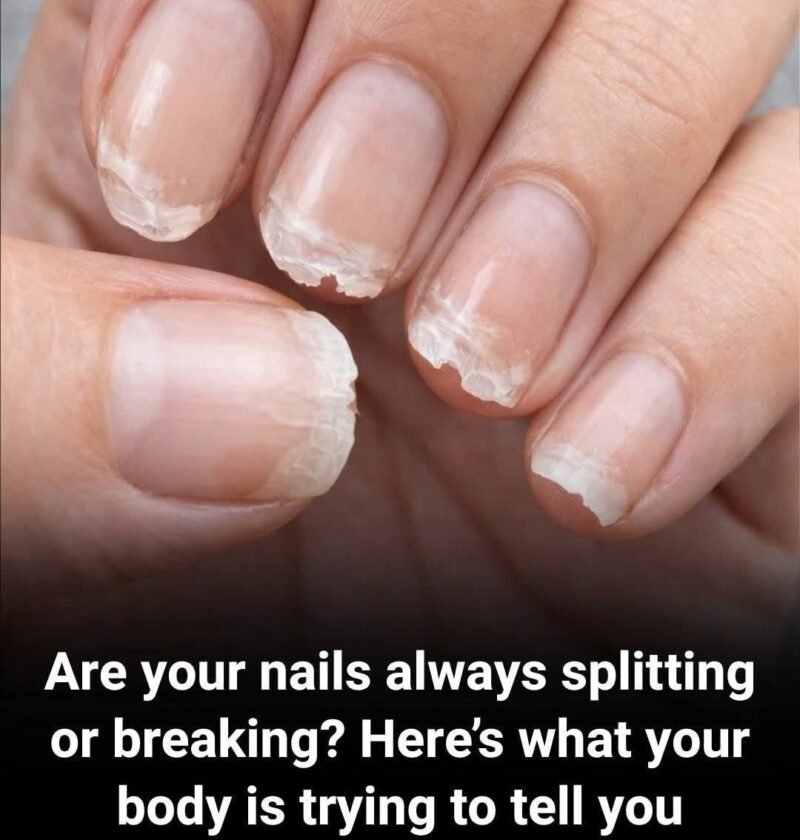
When your nails become weak, brittle, peeling, or prone to cracking, it can be frustrating—especially if you feel like you are constantly moisturizing or applying hardeners to no avail. Often, your nails act as a window into your internal health, signaling that something is happening beneath the surface.
Nail issues are generally split into two categories: external factors (things happening to the outside of the nail) and internal factors (what your body is trying to tell you through nutrition or health).
1. Nutritional Deficiencies: What Your Body Is Lacking
Nails are made primarily of keratin, a tough structural protein. To manufacture and maintain strong keratin structures, your body requires a steady supply of specific vitamins and minerals. If you are running low, your nails are often among the first places to show it.
-
Biotin (Vitamin B7): Perhaps the most well-known vitamin for nail health, biotin aids in cell proliferation and protein synthesis. A deficiency can lead to fragile, soft, or splitting nails.
-
Iron: Iron is essential for creating hemoglobin, which carries oxygen to your cells. Low iron (or anemia) can slow down nail growth, make them brittle, or cause koilonychia—a condition where the nails become thin and concave (spoon-shaped).
-
Zinc: Zinc is required for cell division and protein production. A lack of zinc can result in weak nails and white spots or transverse lines across the nail plate.
-
Protein: Because nails are protein, a chronically low-protein diet will directly impact nail strength and growth rate.
-
Vitamin C and Essential Fatty Acids: Vitamin C is necessary for collagen production (which provides structural flexibility), while fatty acids help lock in moisture, preventing dry, brittle nails that snap easily.
2. Underlying Health Conditions
If brittle nails are accompanied by other physical symptoms, they may point toward a systemic health issue:
-
Thyroid Disorders: Both hypothyroidism (underactive thyroid) and hyperthyroidism can change the texture of your skin, hair, and nails, frequently leading to dry, brittle, or easily cracked nails.
-
Circulatory Issues: Poor blood flow can deprive the nail beds of essential nutrients and oxygen, stunting growth and weakening integrity.
-
Autoimmune Conditions: Conditions like lupus or alopecia areata can sometimes present with distinct structural changes or ridges in the nails.
3. External Culprits (When It’s Not Internal)
Not all brittle nails are a sign of an internal deficiency. Often, the damage is purely environmental:
-
Frequent Wetting and Drying: Constantly washing your hands, swimming, or doing dishes without gloves causes the nail to expand and contract, stripping away natural oils and leading to peeling (onychoschizia).
-
Harsh Chemicals: Frequent use of acetone-based nail polish removers, strong household cleaning agents, and harsh detergents can chemically degrade the nail plate.
-
Overuse of Gel/Acrylic Manicures: The harsh filing of the nail surface and the acetone soaking required to remove artificial nails strip away layers of healthy keratin.
How to Support Stronger Nails
-
Assess Your Diet: Focus on whole foods rich in protein (eggs, poultry, fish, beans), healthy fats (avocados, nuts), and iron/zinc-rich foods (leafy greens, pumpkin seeds, lean meats).
-
Protect Your Hands: Wear rubber gloves when washing dishes or handling harsh cleaning chemicals.
-
Moisturize Frequently: Apply a thick hand cream or cuticle oil containing ingredients like lanolin, alpha hydroxy acids (AHAs), or vitamin E immediately after washing your hands.
-
Give Them a Break: If you regularly wear nail polish or artificial nails, take a multi-week hiatus to let your natural nails breathe and recover.
-
Approach Supplements with Care: While biotin or multivitamins can help if a deficiency is present, avoid self-prescribing massive doses of single supplements (like iron) without checking your blood levels first, as excess iron can be harmful.
If your brittle nails persist despite lifestyle changes—or if they are accompanied by fatigue, hair loss, unexplained weight changes, or skin rashes—it is a good idea to consult a healthcare provider or dermatologist to run routine blood work (such as checking your iron/ferritin and thyroid function).