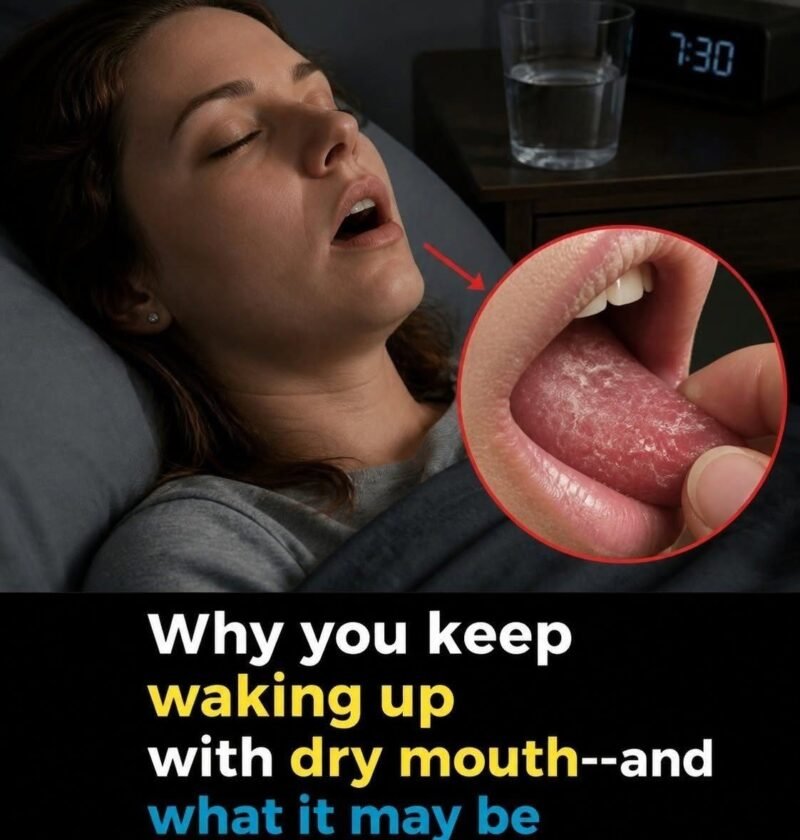
Waking up with a parched, sticky, or dry mouth is a common experience, but it is rarely just a random annoyance. Often, your body is sending you a clear signal about your nighttime habits, your environment, or how well-hydrated you are. Medically known as xerostomia, morning dry mouth happens because your salivary glands naturally slow down production while you sleep. When that minimal saliva output is disrupted, you wake up feeling like you’ve been chewing on cotton.
1. Nighttime Breathing Habits
One of the most frequent culprits of morning dry mouth has nothing to do with dehydration and everything to do with how you breathe:
-
Mouth Breathing: If you sleep with your mouth open—whether due to habit, a deviated septum, nasal polyps, or allergies—the constant airflow rapidly evaporates the moisture on your oral tissues.
-
Sleep Apnea: Chronic mouth breathing during the night is a hallmark of obstructive sleep apnea (OSA). If your airway repeatedly collapses while you sleep, your body forces you to open your mouth to breathe, leaving you with severe dry mouth alongside symptoms like loud snoring, morning headaches, or daytime fatigue.
2. Dehydration and Environmental Factors
Sometimes the issue is simply a matter of input and environment:
-
Overall Dehydration: If you aren’t drinking enough water throughout the day, or if you had alcohol or a salty meal close to bedtime, your body will conserve fluids, resulting in reduced saliva production by morning.
-
Dry Bedroom Air: Low humidity in your bedroom—especially during winter months from indoor heating or year-round from air conditioning—will dry out your mouth and nasal passages while you sleep.
3. Medications and Substances
What you take before bed can have a direct drying effect on your salivary glands:
-
Prescription and Over-the-Counter Drugs: Hundreds of medications list dry mouth as a side effect. Common culprits include antihistamines, decongestants, blood pressure medications, antidepressants, and muscle relaxants.
-
Caffeine and Alcohol: Both are diuretics that promote fluid loss. Drinking coffee late in the day or having an alcoholic nightcap can significantly reduce nighttime saliva flow.
4. Underlying Health Conditions
Persistent dry mouth can occasionally point toward systemic health or metabolic concerns:
-
Diabetes: Uncontrolled blood sugar levels can lead to increased urination and systemic dehydration, frequently manifesting as dry mouth.
-
Autoimmune Disorders: Conditions like Sjögren’s syndrome specifically target moisture-producing glands, leading to chronic dryness in the mouth, eyes, and other mucous membranes.
How to Find Relief and Protect Your Smile
Saliva is your mouth’s natural defense mechanism—it washes away food particles, neutralizes acids, and protects against tooth decay. Chronic dry mouth doesn’t just feel uncomfortable; it puts you at higher risk for cavities and gum disease. Here is how you can manage it:
-
Hydrate Smartly: Drink water consistently throughout the day, but avoid chugging massive amounts right before bed, which can disrupt your sleep with nighttime bathroom trips.
-
Address Nasal Congestion: If you have a stuffy nose or allergies, try using a saline nasal spray, nasal strips, or an air purifier before bed to encourage breathing through your nose.
-
Use a Humidifier: Adding moisture back into your bedroom air with a bedside humidifier can dramatically reduce nighttime evaporation.
-
Skip Evening Irritants: Limit or avoid alcohol, caffeine, and salty or spicy foods close to bedtime.
-
Protect Your Oral Health: Practice meticulous oral hygiene. Consider using a moisturizing mouthwash formulated specifically for dry mouth (avoiding harsh, alcohol-based mouthwashes that dry tissues further) and talk to your dentist about fluoride treatments if needed.
If you wake up with dry mouth every single day, and especially if it is accompanied by loud snoring, daytime sleepiness, or persistent thirst and frequent urination, it is worth scheduling a visit with your doctor to rule out underlying conditions like sleep apnea or diabetes.
Did you notice any other symptoms—like snoring, fatigue, or congestion—happening alongside your dry mouth?