Recognizing the warning signs that your heart may not be functioning properly is crucial for early detection and treatment. Because heart issues can sometimes present in subtle or unexpected ways, it is important to pay close attention to your body.
Common Signs and Symptoms
-
Chest Discomfort (Angina): This is the most classic sign. It can feel like pressure, squeezing, fullness, or pain in the center of your chest that lasts more than a few minutes or goes away and comes back.
-
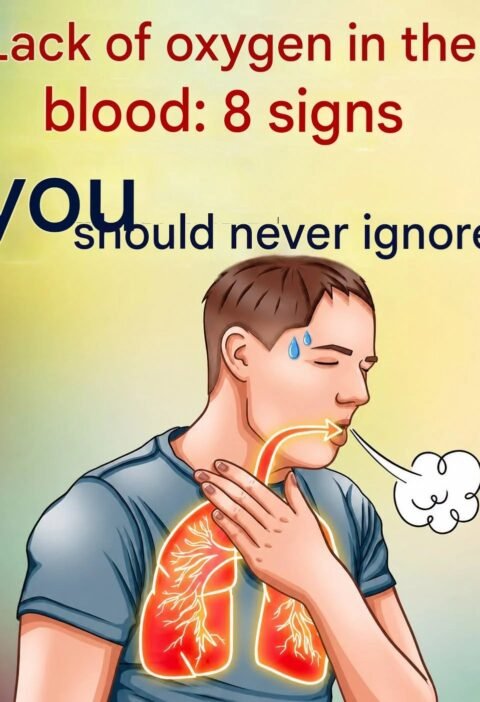
Shortness of Breath: Feeling unusually breathless after mild physical activity—or even while resting—can indicate that your heart is struggling to pump blood efficiently.
-
Fatigue and Weakness: Overwhelming or unexplained exhaustion, especially if it makes everyday tasks (like climbing stairs or carrying groceries) suddenly feel impossible, can be a warning sign.
-
Irregular Heartbeat (Palpitations): If you feel like your heart is racing, pounding, fluttering, or skipping beats frequently, it warrants evaluation.
-
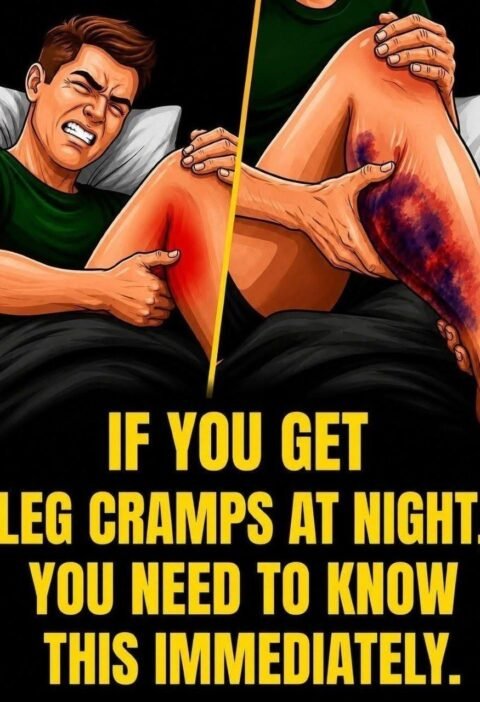
Swelling (Edema): Fluid buildup in your lower extremities—such as your legs, ankles, feet, or abdomen—can happen when the heart is not pumping effectively.
-
Dizziness or Lightheadedness: Sudden fainting spells, severe dizziness, or feeling unsteady can occur if your heart isn’t delivering enough blood flow to your brain.
-
Pain Radiating to Other Areas: Discomfort isn’t always limited to the chest; it can spread to one or both arms, the back, neck, jaw, or stomach.
When to Seek Immediate Medical Attention
[!CAUTION] Call emergency services (such as 911) immediately if you or someone else experiences sudden, severe chest pain, pressure that doesn’t go away, difficulty breathing, or symptoms accompanied by cold sweats, nausea, or sudden weakness.
If you are noticing persistent, milder symptoms that are new or worsening, schedule an appointment with your healthcare provider or a cardiologist to get a thorough evaluation.