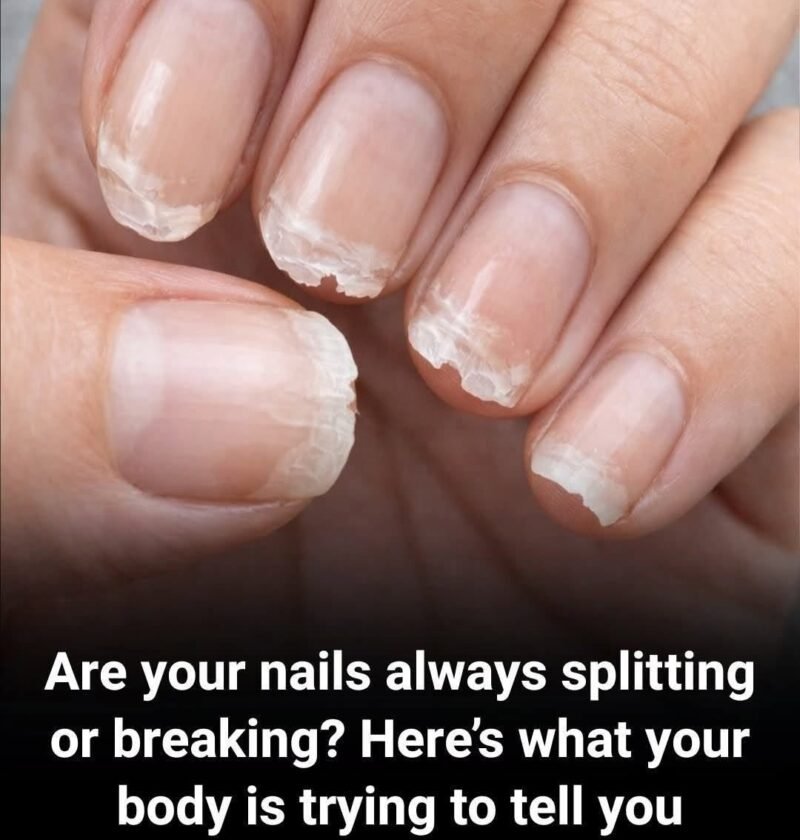
Weak, brittle, peeling, or cracking nails are more than just a cosmetic annoyance; they are often a physical window into your overall health. Because nails grow from a living matrix beneath the skin, any disruption in your internal balance or daily habits can quickly show up as changes in nail strength and texture.
Understanding what your body is trying to tell you involves looking at both internal health signals and external lifestyle factors.
—
### 1. Internal Clues: Nutritional Deficiencies
Nails are primarily made of **keratin**, a tough structural protein. Building and maintaining keratin requires a steady supply of vitamins, minerals, and macronutrients. When your body runs low, it rations these building blocks, often sacrificing non-essential structures like hair and nails.
* **Iron (Anemia):** Iron is critical for carrying oxygen to your cells, including the nail bed. Low iron can cause nails to become brittle, thin, or develop a concave, “spoon-shaped” appearance (known as *koilonychia*). *Associated signs:* Fatigue, pale skin, cold hands and feet.
* **B-Vitamins (Especially Biotin / B7):** Biotin supports the infrastructure of keratin production. While severe biotin deficiency is rare, mild shortfalls can result in soft, easily split nails. Other B-vitamins, like B12 or folate, can also impact nail growth and color.
* **Zinc:** Zinc is essential for cell division and protein synthesis. A deficiency can lead to weak nails, stunted growth, and the appearance of white spots or lines (*leukonychia*).
* **Protein:** Because nails *are* protein, a chronic low-protein diet will inevitably result in weak, slow-growing, fragile nails.
* **Vitamin D, Calcium, and Magnesium:** These nutrients work synergistically to support bone and structural integrity. Deficiencies can manifest as brittle nails that bend or snap under minimal pressure.
### 2. Internal Clues: Medical & Hormonal Conditions
Sometimes, brittle nails point toward a broader systemic or metabolic condition:
* **Thyroid Disorders:** Hypothyroidism (an underactive thyroid) slows down metabolic processes, which frequently leads to dry, brittle, slow-growing, or easily cracked nails.
* **Circulatory Issues:** Poor blood flow to the extremities can deprive the nail bed of necessary nutrients and oxygen.
* **Autoimmune Conditions:** Conditions like alopecia areata, psoriasis, or lupus can alter nail matrix cell division, causing pitting, ridges, or splitting.
### 3. External Factors: Environment & Habits
Not all nail trouble originates from the inside. In fact, external physical and chemical stress is one of the most common culprits of brittle nails:
* **The “Wet-Dry” Cycle:** Frequently washing your hands, swimming, or doing dishes without gloves causes your nails to rapidly absorb water and then dry out. This constant expansion and contraction breaks down the cellular bonds of the nail plate, leading to severe peeling (*onychoschizia*).
* **Harsh Chemicals:** Frequent exposure to household cleaning agents, detergents, harsh acetone-based nail polish removers, and long-term wear of gel or acrylic extensions strips the natural oils and moisture from your nails.
* **Aging:** Just as skin changes over time, the natural aging process decreases moisture retention and blood circulation in the hands, often making nails drier and more prone to vertical ridging.
—
### How to Decode Your Nails
A quick trick to figure out whether your brittle nails are internal or external is to **look at your toenails**:
* If **only your fingernails** are splitting, the cause is likely external (frequent handwashing, chemicals, manicures).
* If **both your fingernails and toenails** are brittle, weak, or peeling, it strongly points toward an internal factor (such as a nutritional deficiency or a systemic issue).
—
### Steps to Restore Nail Health
1. **Protect Your Hands (External Care):**
* Wear rubber or waterproof gloves whenever you wash dishes, clean, or handle chemicals.
* Moisturize your hands, cuticles, and nails immediately after washing your hands. Look for thick hand creams or oils containing lanolin, alpha-hydroxy acids (AHAs), shea butter, or jojoba oil.
2. **Audit Your Diet:** Focus on whole foods rich in high-quality proteins (lean meats, eggs, legumes), healthy fats (nuts, seeds, fatty fish), and colorful produce rich in vitamins and minerals.
3. **Be Gentle with Grooming:** Avoid harsh metal tools under the nail bed, limit the use of acetone, and give your nails “breathing room” between artificial enhancements or heavy polishes.
4. **When to See a Doctor:** If lifestyle changes and moisturizers don’t help after a few weeks—or if your brittle nails are accompanied by other symptoms like persistent fatigue, hair loss, unexplained weight changes, or changes in nail shape and color—consult a healthcare professional. Simple blood work can check your iron levels (ferritin), thyroid function, and vitamin status to pinpoint the exact root cause.