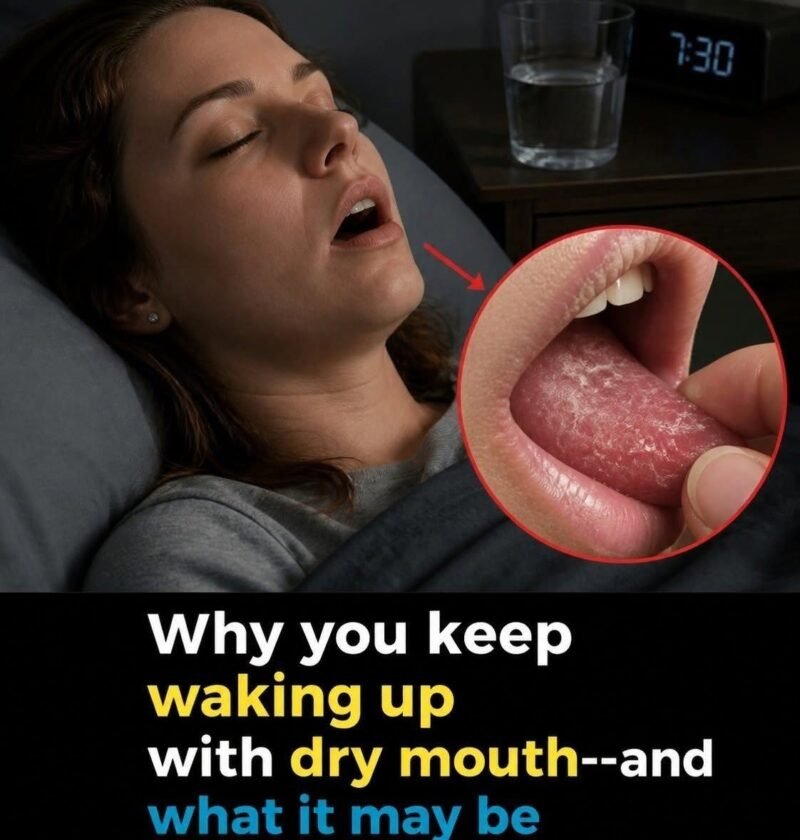
Waking up with a dry mouth—medically known as *xerostomia*—is more than just an uncomfortable way to start your morning. While it is often harmless and easily fixed, it can also be your body’s way of signaling everything from nighttime habits to underlying medical or medication-related issues.
Here is a breakdown of what your body might be trying to tell you when you wake up feeling like your mouth is full of cotton.
—
### 1. Simple Lifestyle & Environmental Factors
Most of the time, morning dry mouth is caused by external or temporary habits that disrupt your saliva flow while you sleep:
* **Mouth Breathing:** This is the #1 culprit. If you have a stuffy nose, allergies, a deviated septum, or sleep apnea, you are likely breathing through your mouth all night. The continuous airflow evaporates the saliva lining your oral cavity.
* **Dehydration:** Going to bed low on fluids or consuming alcohol or salty foods close to bedtime means your body lacks the hydration it needs to maintain steady saliva production overnight.
* **Dry Air or Low Humidity:** Sleeping in a bedroom with a heater running, air conditioning blasting, or low natural humidity dries out the mucous membranes in your nose and mouth.
### 2. Medications and Substances
Saliva production is heavily regulated by your nervous system, and many everyday substances can put the brakes on it:
* **Prescription & Over-the-Counter Drugs:** Over 400 medications list dry mouth as a side effect. Common offenders include antihistamines, decongestants, blood pressure medications (like diuretics), antidepressants, and anxiety medications.
* **Caffeine and Alcohol:** Both are diuretics (causing you to lose fluids) and can leave your mouth significantly drier if consumed in the evening.
* **Tobacco and Vaping:** Smoking or using nicotine products reduces salivary gland function and irritates the soft tissues in the mouth.
### 3. Underlying Health Signals & Conditions
If your dry mouth is persistent and happens every single night despite drinking water and using a humidifier, it can point toward internal health conditions:
* **Obstructive Sleep Apnea (OSA):** If you wake up with a dry mouth *and* feel excessively tired during the day, snore loudly, or wake up gasping, it may be a sign of sleep apnea, which forces you to breathe through your mouth.
* **Sjögren’s Syndrome:** This is an autoimmune condition where the body’s immune system attacks its own moisture-producing glands, commonly causing severe dry mouth and dry eyes.
* **Diabetes:** Chronically high blood sugar levels can lead to dehydration and reduced saliva flow. A dry mouth is often an early warning sign of undiagnosed or poorly managed diabetes.
* **Nerve Damage:** Damage to the head or neck area (from surgery or trauma) that affects the nerves supplying the salivary glands can impair their function.
—
### Why You Shouldn’t Ignore It
Saliva is your mouth’s natural defense system. It washes away food particles, neutralizes plaque-forming acids, and contains minerals that protect your tooth enamel. Chronic dry mouth can quickly lead to:
* Bad breath (halitosis)
* An increased risk of tooth decay and cavities (especially near the gumline)
* Gum disease (gingivitis)
* Difficulty swallowing, speaking, or wearing dentures
* Fungal infections in the mouth (like oral thrush)
—
### Steps to Find Relief
1. **Fix Your Sleeping Environment:** Run a cool-mist humidifier in your bedroom to keep the air moist, especially during winter or dry seasons.
2. **Breathe Through Your Nose:** Address nasal congestion with saline rinses, allergy treatments, or strips that open nasal passages. If you suspect mouth-breathing is structural or due to sleep apnea, consult a doctor.
3. **Hydrate Smartly:** Keep a glass of water by your bed to take sips if you wake up. Avoid heavy alcohol or caffeine in the hours leading up to sleep.
4. **Support Saliva Production:** Chew sugar-free gum or suck on sugar-free hard candies (preferably containing xylitol) during the day to stimulate glands. Look for over-the-counter artificial saliva sprays or moisturizing gels designed for nighttime use.
5. **Review Your Medications:** If you started a new medication and noticed dry mouth soon after, talk to your prescribing doctor—never stop taking prescribed medication on your own, but ask if an alternative exists.
*Are you experiencing any other symptoms along with the dry mouth, like daytime fatigue or nasal congestion?*