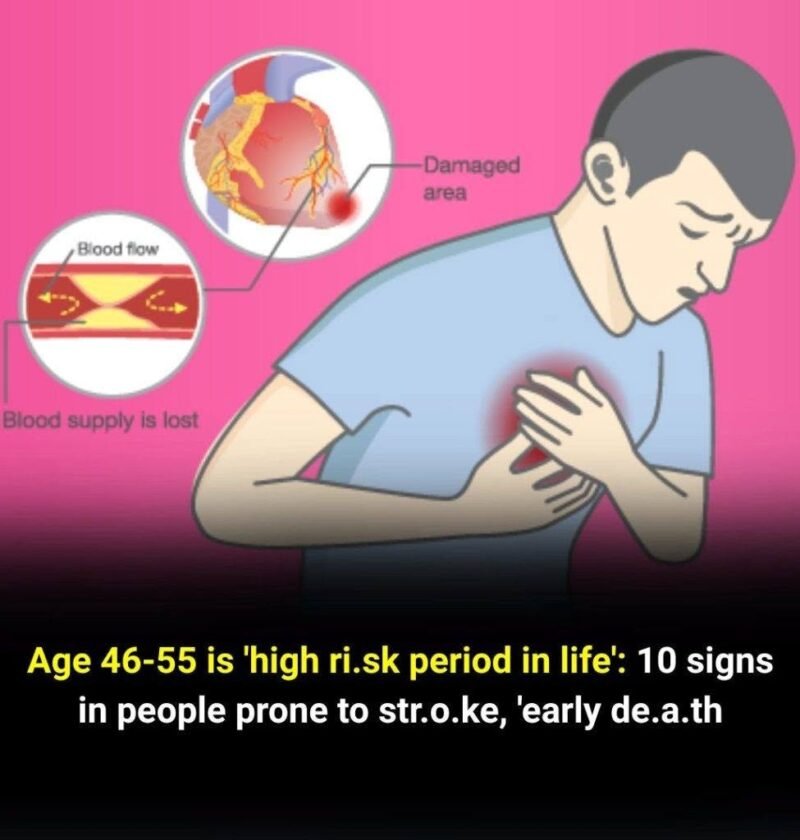
The headline “Watch for These 10 Signs Linked to Stroke Risk and Early Mortality” needs some clarification. There isn’t a reliable set of 10 symptoms that can predict that someone will die early from a stroke. However, several medical conditions and warning symptoms are strongly associated with stroke risk.
10 things worth taking seriously
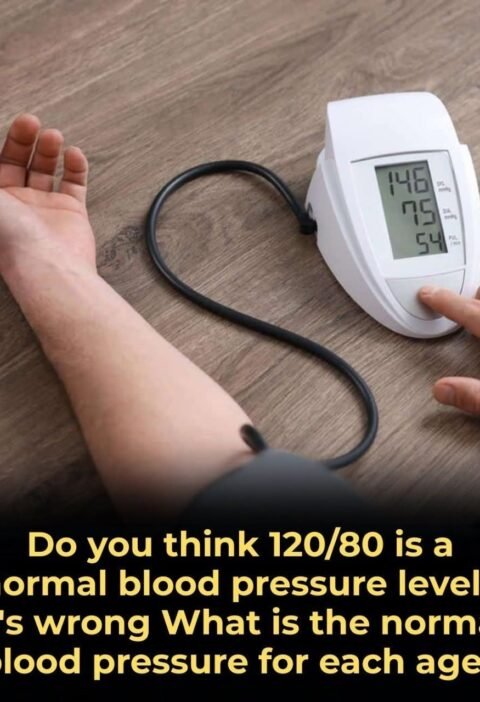
- High blood pressure — one of the most important controllable stroke risk factors. (CDC)
- High cholesterol — particularly when associated with artery disease.
- Diabetes or persistently high blood sugar — increases stroke risk.
- Smoking or tobacco use — damages blood vessels and raises stroke risk. (CDC)
- Atrial fibrillation or another irregular heartbeat — can allow blood clots to form and travel to the brain.
- Previous TIA (“mini-stroke”) or stroke — substantially increases the risk of another stroke. (CDC)
- Physical inactivity and obesity — can contribute to high blood pressure, diabetes and abnormal cholesterol.
- Heavy alcohol consumption — can raise blood pressure and stroke risk. (CDC)
- Sudden weakness or numbness, especially on one side — this is an emergency stroke warning sign, not something to monitor at home.
- Sudden speech, vision, balance, or severe-headache changes — these can also indicate an acute stroke. (CDC)
🚨 Know the sudden warning signs
Use B.E. F.A.S.T.:
- B — Balance: sudden loss of balance or coordination
- E — Eyes: sudden vision problems
- F — Face: one side of the face droops
- A — Arm: sudden weakness or numbness
- S — Speech: sudden difficulty speaking or understanding
- T — Time: call emergency medical services immediately
A stroke is an emergency, and even if the symptoms disappear after a few minutes, it could be a TIA and still requires urgent medical evaluation. (CDC)
Bottom line: Don’t wait for a collection of symptoms to appear. The most useful approach to reducing long-term stroke risk is controlling blood pressure, cholesterol and diabetes, avoiding tobacco, staying physically active, maintaining a healthy diet, and taking prescribed medications as directed. (CDC)