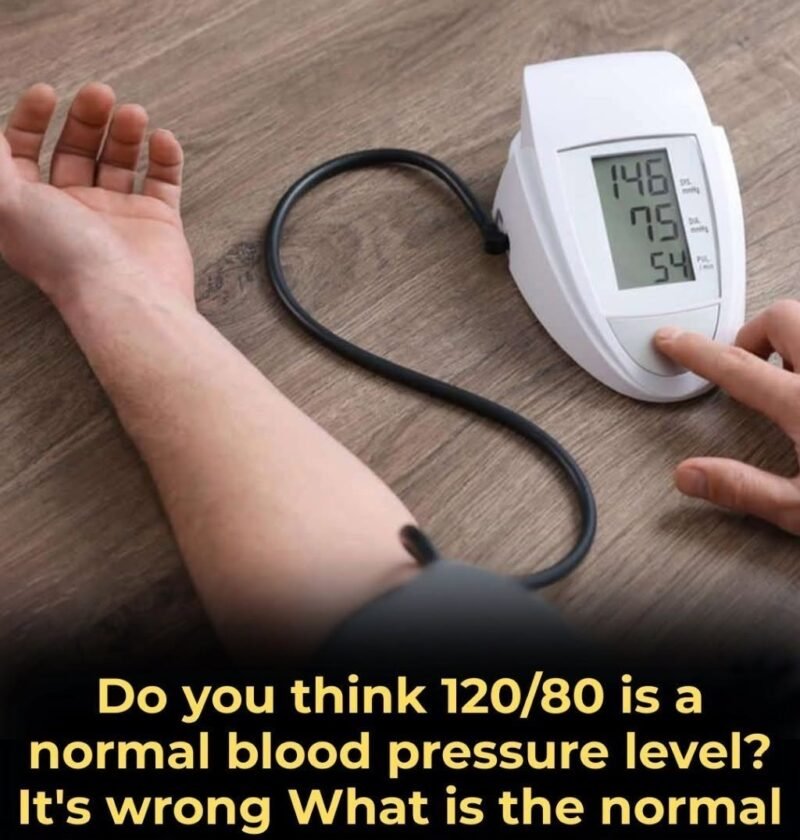
Blood pressure doesn’t have one exact “normal” number for each age. For adults, the usual healthy target is broadly similar across ages, rather than increasing automatically as you get older.
Typical adult blood-pressure categories
| Blood pressure | Systolic (top) | Diastolic (bottom) |
|---|---|---|
| Normal | <120 | <80 |
| Elevated | 120–129 | <80 |
| High — Stage 1 | 130–139 | 80–89 |
| High — Stage 2 | ≥140 | ≥90 |
| Very high / urgent | ≥180 | and/or ≥120 |
These are general adult categories; diagnosis usually requires repeated measurements, not one reading.
For children and teenagers, normal blood pressure is age-, sex-, and height-dependent, so adult numbers shouldn’t be used.
If you tell me the person’s age and blood-pressure reading (for example, 68 years old, 148/86), I can explain what that particular reading means.