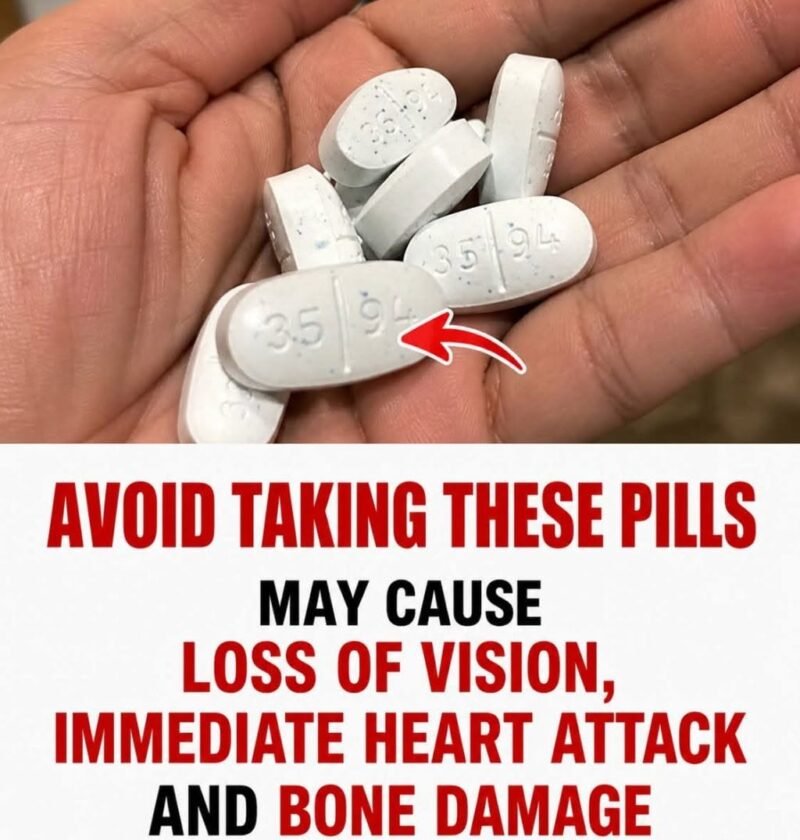
Warning: Can These Tablets Increase the Risk of Blood Clots, Thrombosis, or Heart Attacks?
Headlines claiming that a medication “causes blood clots, thrombosis, and heart attacks” can be alarming, but the real risk depends on the specific medicine, the person taking it, the dose, and their health conditions.
Some medications can increase the risk of blood clots or cardiovascular events in certain situations, while others actually reduce the risk of heart attacks and strokes. It is important not to stop any prescribed medication based only on a warning headline.
Medicines That May Be Associated With Increased Blood Clot Risk in Some People
Examples include:
- Certain hormone-containing medications
- Some estrogen-containing therapies, including certain contraceptives and hormone treatments, can increase clot risk, especially in people with additional risk factors.
- Some cancer treatments
- Certain chemotherapy drugs and cancer-related therapies can raise the risk of clotting.
- Some medications that affect blood cell production or clotting
- Certain specialized treatments may increase clot risk and require monitoring.
- Some anti-inflammatory or cardiovascular medications in specific circumstances
- Risks vary greatly depending on the drug and the patient’s condition.
Factors That Can Increase Blood Clot Risk
Risk may be higher with:
- Previous blood clots
- Smoking
- Older age
- Obesity
- Long periods of immobility (such as after surgery or long travel)
- Certain inherited clotting conditions
- Some heart conditions
Warning Signs of a Possible Blood Clot
Seek urgent medical care for:
- Sudden chest pain or pressure
- Shortness of breath
- Coughing blood
- Swelling, pain, or warmth in one leg
- Sudden weakness, facial drooping, or trouble speaking (possible stroke symptoms)
What to Do Before Stopping a Medication
If you are concerned about a tablet you take:
- Check the exact medication name and dose.
- Talk with your doctor or pharmacist before stopping it.
- Ask whether your personal risk factors change the safety of the medication.
If you share the name of the tablet, I can explain whether it is linked to blood clots, heart attack risk, and what precautions are recommended.