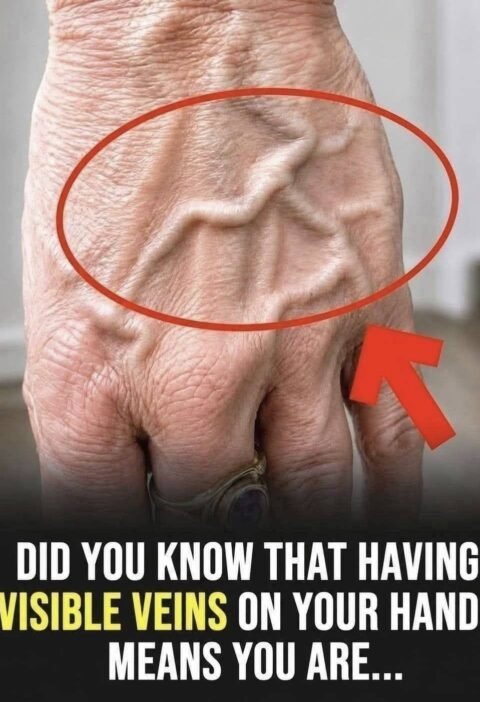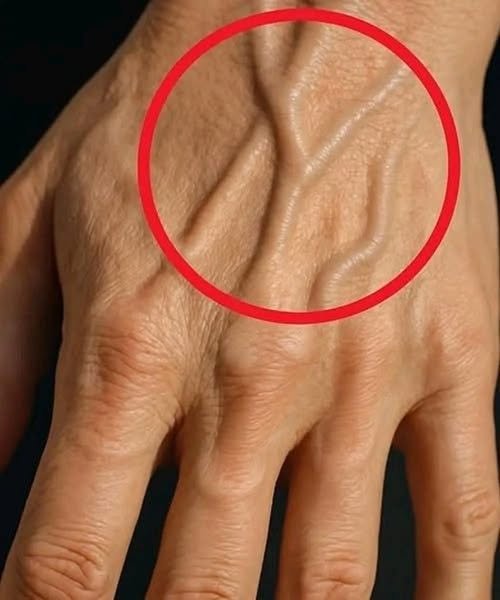
Catchy wellness headlines often suggest that visible veins are a secret sign of an underlying medical emergency or an immediate indicator of poor health. In reality, seeing your veins is exceptionally common and usually a reflection of completely normal physical traits.
However, depending on what the veins look like and where they appear, visibility can range from everyday physiology to a sign that requires medical evaluation.
Why Veins Become Visible (Normal Physiological Reasons)
For the vast majority of people, prominent veins are simply a result of anatomy and lifestyle rather than disease:
-
Low Body Fat Percentage: Subcutaneous fat sits directly beneath the skin. When body fat levels are low (whether naturally or through fitness), there is less tissue padding between the skin surface and your blood vessels, making veins appear much more prominent—especially on the arms, hands, and legs.
-
Genetics and Fair Skin: Fairer skin tones naturally allow underlying blood vessels to show through more easily. Furthermore, genetics dictate your vein structure, skin thickness, and how close your veins lie to the surface.
-
Aging and Skin Thinnning: As we age, the skin naturally loses collagen and elasticity, becoming thinner. This age-related thinning makes veins naturally more noticeable, particularly on the hands and forearms.
-
Physical Exertion and Heat: When you exercise or when ambient temperatures rise, your body increases blood flow to the skin to help cool you down, causing blood vessels to dilate (widen). Working out also temporarily increases blood pressure in working muscles, making veins pop out.
When Visible Veins Indicate a Medical Concern
While flat, prominent veins due to fitness, fair skin, or aging are harmless, certain types of visible or bulging veins signal underlying vascular issues:
1. Varicose Veins
-
What they look like: Swollen, twisted, enlarged, and rope-like veins that bulge visibly above the surface of the skin, most commonly appearing on the calves, thighs, and ankles.
-
Why they happen: Tiny, one-way valves inside the veins weaken or fail, causing blood to flow backward and pool under gravity. This increases pressure inside the vessel, stretching and distorting the vein wall.
-
Associated symptoms: Aching, heavy legs, throbbing, muscle cramping at night, or swelling in the lower legs after long periods of standing.
2. Spider Veins (Telangiectasias)
-
What they look like: Tiny, thread-like red, purple, or blue lines that form web-like networks close to the surface of the skin on the legs or face.
-
Why they happen: Caused by minor damaged capillaries or small surface veins, often influenced by genetics, hormonal shifts, prolonged standing, or pressure. They are usually harmless and primarily a cosmetic concern.
3. Superficial Phlebitis or Blood Clots (Thrombophlebitis)
-
What they look like: A cord-like vein that feels hard, tender, or warm to the touch, accompanied by redness, swelling, or localized pain along the path of a superficial vein.
-
Why they happen: Inflammation or a small blood clot forming in a vein close to the skin surface. While superficial clots are typically less dangerous than deep vein thrombosis (DVT), they still warrant a medical evaluation.
When to Consult a Doctor
If your veins are simply visible because of low body fat, thin skin, or exercise, there is no cause for concern. However, you should schedule an evaluation with a physician or a vascular specialist if you experience:
-
Persistent aching, heaviness, or throbbing pain in your legs.
-
Swelling in your ankles or feet that worsens throughout the day.
-
Skin discoloration, dryness, or open sores (ulcers) near the ankles.
-
A vein that becomes suddenly hard, painful, red, or very tender to the touch.