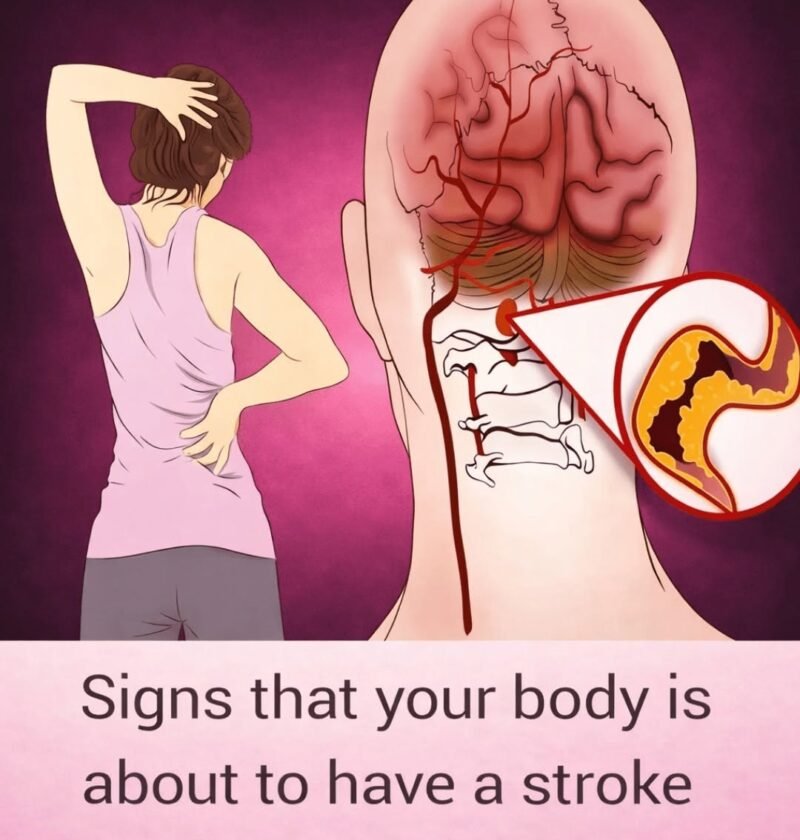
Recognizing the early warning signs of a stroke and acting immediately is critical. Because a stroke cuts off vital blood flow to parts of the brain, brain cells begin to die within minutes. Prompt medical intervention can dramatically reduce long-term disability and save lives.
A simple and widely recognized way to remember the most common stroke symptoms is the acronym FAST:
The FAST Test
-
F – Face Drooping: Does one side of the face droop, or is it numb? If the person smiles, is the smile uneven?
-
A – Arm Weakness: Is one arm weak or numb? If the person tries to raise both arms, does one drift downward?
-
S – Speech Difficulty: Is speech slurred, are they unable to speak, or are they hard to understand? Ask them to repeat a simple sentence (e.g., “The sky is blue”).
-
T – Time to Call 911 (or Emergency Services): If you observe any of these signs—even if they go away—call emergency services immediately and note the exact time the symptoms first appeared.
10 Comprehensive Early Warning Signs of a Stroke
Beyond the FAST acronym, strokes can manifest in several other sudden ways depending on which part of the brain is affected:
-
Sudden Numbness or Weakness: Typically affecting the face, arm, or leg, and almost always restricted to one side of the body (hemiparesis).
-
Sudden Confusion: Difficulty understanding speech, sudden mental “fog,” or trouble comprehending simple instructions.
-
Sudden Trouble Seeing in One or Both Eyes: Blurred vision, double vision, sudden darkening of vision, or a partial loss of sight in one eye.
-
Sudden Trouble Walking: Unexplained loss of balance, sudden dizziness, unsteadiness, or a complete loss of coordination (ataxia).
-
Sudden Severe Headache: A sudden, exceptionally intense headache with no known cause—often described by survivors as the “worst headache of their life”—which can indicate bleeding in the brain (hemorrhagic stroke).
-
Sudden Facial Asymmetry: Numbness or a sagging sensation specifically around the mouth, cheek, or eyelid on one side.
-
Slurred or Garbled Speech: Difficulty articulating words, substituting incorrect words, or speaking in a way that sounds unintelligible.
-
Sudden Dizziness or Vertigo: A sudden spinning sensation accompanied by nausea, vomiting, or difficulty keeping upright, particularly when combined with any of the other neurological signs above.
-
Sudden Memory Gaps or Disorientation: Feeling suddenly lost in a familiar place or experiencing acute, inexplicable confusion about time and surroundings.
-
Sudden Weakness in Both Legs or General Fatigue: While most strokes affect one side, certain brainstem strokes can cause sudden bilateral weakness or an overwhelming, abrupt sense of physical collapse.
What to Do in an Emergency
-
Call Emergency Services Immediately: Never wait to see if symptoms will “wear off.” Do not drive the person to the hospital yourself; paramedics can begin life-saving assessment and treatment en route.
-
Note the Time: Inform emergency responders or hospital staff of the exact time the symptoms first started. This window is critical because certain clot-busting medications (like tPA) or mechanical procedures (thrombectomy) have strict time limits for effectiveness.
-
Do Not Give Medication, Food, or Drink: Avoid giving the person aspirin, water, or food, as a stroke can impair swallowing and create a choking risk.
Medical Disclaimer: This information is for educational purposes and should not replace professional medical advice. If you suspect someone is experiencing a stroke, call emergency services right away.