Visible Blue Veins After 60: What Your Blood Flow Is Really Telling You
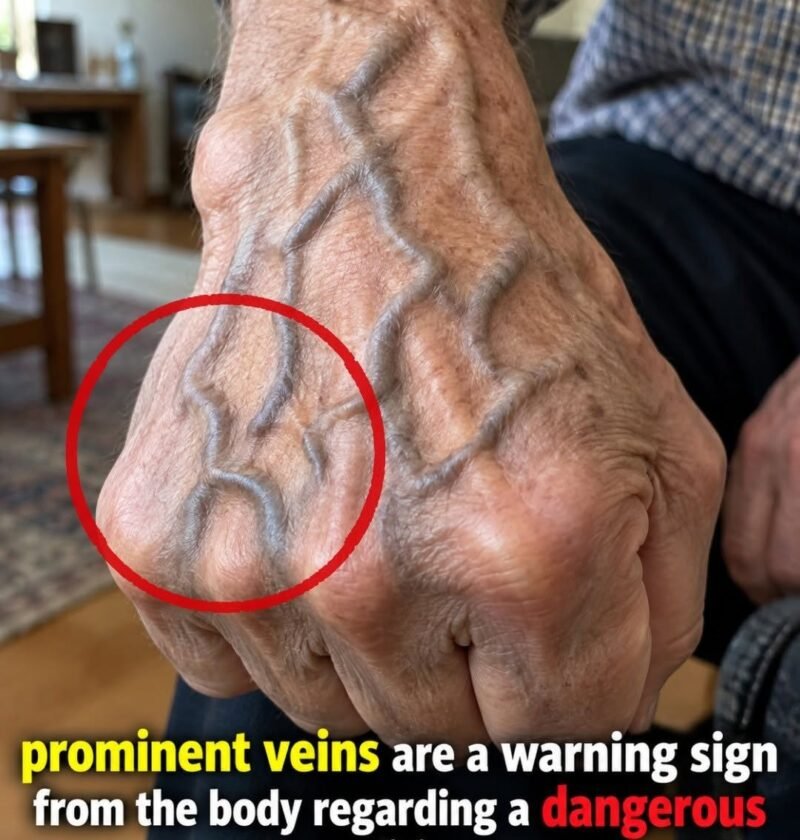
Seeing blue or green veins on your hands, arms, legs, or feet can become more noticeable after 60. In many cases, this is a normal consequence of aging—not a sign that your blood flow is in danger.
Why veins become more visible
-
Thinner skin: Aging reduces skin thickness, making veins easier to see.
-
Less fat beneath the skin: Reduced subcutaneous tissue exposes superficial veins.
-
Heat and exercise: Blood vessels can temporarily become more prominent.
-
Low body fat: Leaner people naturally tend to have more visible veins.
-
Varicose veins: Enlarged, twisted veins in the legs can result from weakened venous valves.
When visible veins deserve attention
The appearance of a vein is less important than new symptoms around it. Contact a healthcare professional if you develop:
-
Persistent leg swelling or heaviness
-
Painful, hard, red, or warm veins
-
Skin discoloration or sores around the ankles
-
A new change affecting one limb
🚨 Get urgent help if
One leg or arm suddenly becomes swollen and painful, particularly if you also develop chest pain, sudden shortness of breath, coughing up blood, fainting, or a rapid heartbeat. These can be signs of a blood clot and require urgent assessment.
Bottom line: Visible blue veins alone usually don’t mean your circulation is failing. After 60, thinner skin and changes in the tissue beneath it commonly make veins more apparent. It’s the sudden changes and accompanying symptoms that matter most.