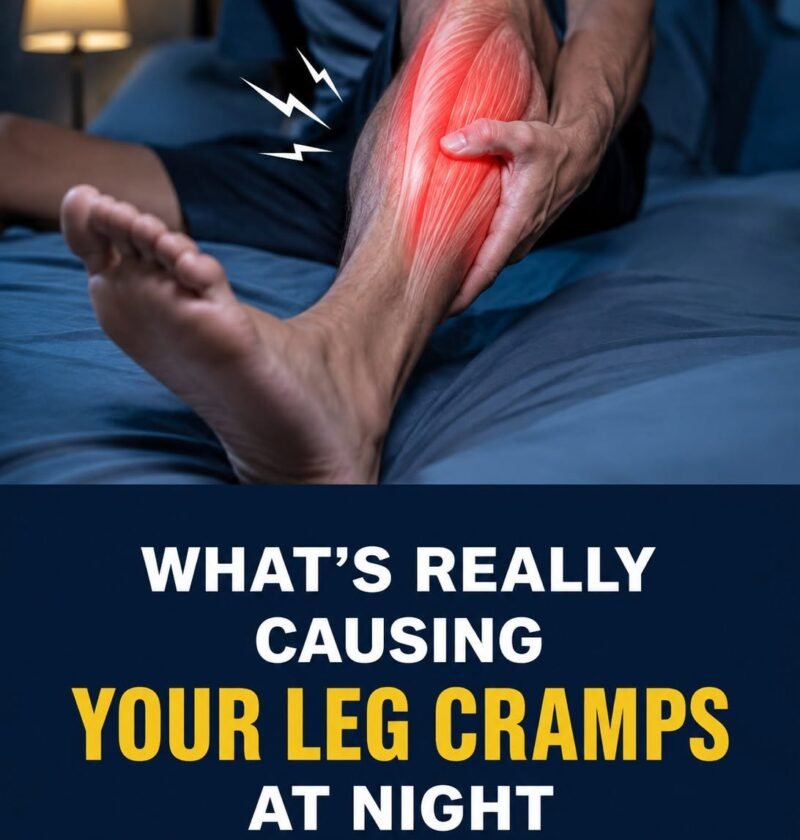
Leg cramps at night—often called nocturnal leg cramps—are sudden, involuntary contractions of the muscles in your legs, most commonly affecting the calf muscles, feet, or hamstrings. They can strike without warning, wake you up in intense pain, and leave your muscles sore for hours or even days afterward.
What Causes Nighttime Leg Cramps?
While the exact biological trigger isn’t fully understood, nocturnal leg cramps are typically linked to muscle fatigue, nerve irritation, or strain. Common contributors include:
-
Muscle Fatigue and Overuse: Strenuous exercise, standing for long periods on hard surfaces, or unusual physical strain can tire out the muscle fibers, making them prone to seizing up at rest.
-
Dehydration and Electrolyte Imbalances: Low levels of key minerals like potassium, magnesium, calcium, or sodium can disrupt normal nerve signaling and muscle contraction. This is why cramps are more common during hot weather or heavy sweating.
-
Prolonged Sitting or Immobility: Sitting for long stretches during the day or awkward positioning in bed can compress nerves or restrict blood flow to the lower extremities.
-
Poor Circulation: Restricted blood flow to the legs (such as in peripheral artery disease) can deprive muscles of the oxygen they need, triggering cramps.
-
Medical Conditions and Medications: Conditions like type 2 diabetes, kidney disease, thyroid disorders, and nerve damage (neuropathy) can increase your risk. Certain medications—particularly diuretics (water pills) and statins—are also known to trigger cramps in some people.
-
Pregnancy: Hormonal shifts, increased weight, and changes in circulation make nighttime leg cramps very common during pregnancy.
How to Stop a Cramp When It Strikes (Immediate Relief)
When a cramp wakes you up in the middle of the night, taking quick action can shorten the spasm:
-
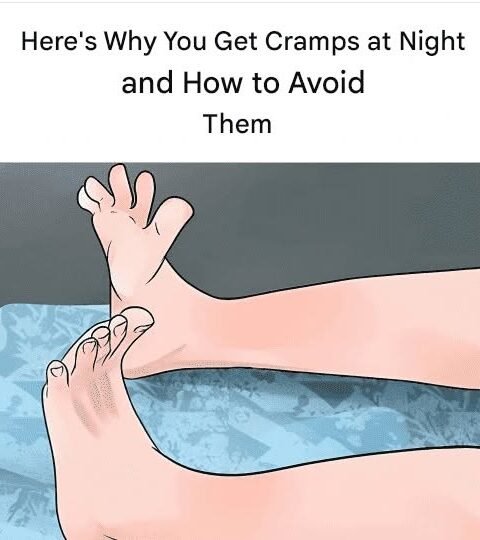
Stretch the Muscle: If it’s your calf, straighten your leg, flex your foot upward (pulling your toes toward your shin), and gently pull back on your toes if you can reach them.
-
Walk Around: Getting out of bed and gently walking on the affected leg helps stretch and relax the contracted muscle.
-
Apply Heat or Ice: Use a warm heating pad or take a warm shower to relax a tight muscle, or use an ice pack if there is lingering soreness afterward.
-
Gentle Massage: Kneading the cramped muscle with firm, circular motions helps release the tension.
Prevention Strategies
If you want to keep nighttime cramps from interrupting your sleep, try incorporating these daily habits:
-
Stay Hydrated: Drink plenty of water throughout the day, especially if you exercise or spend time in the heat.
-
Eat a Balanced Diet: Ensure you are getting enough magnesium (found in nuts, seeds, leafy greens, and whole grains) and potassium (found in bananas, avocados, and sweet potatoes).
-
Stretch Before Bed: Spend 5 to 10 minutes doing gentle calf and hamstring stretches before you go to sleep.
-
Choose Supportive Footwear: Avoid shoes with poor arch support or high heels that over-strain your lower leg muscles during the day.
-
Keep Untucked Sheets: Ensure your bedding isn’t tucked in too tightly at the foot of the bed, which can force your toes downward and trigger a calf spasm while you sleep.