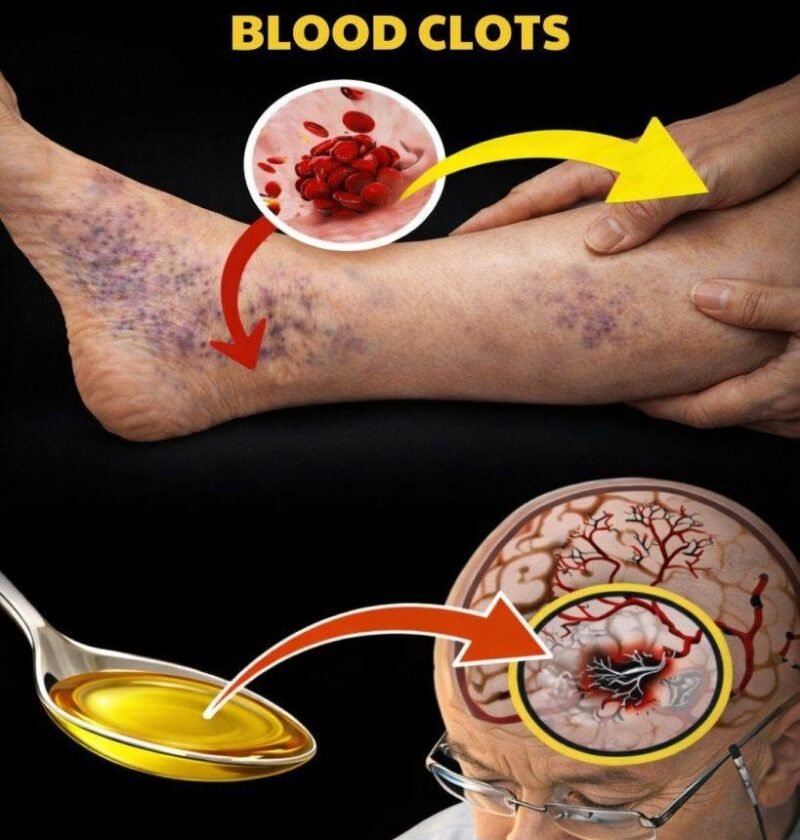
The headline “Top 8 Fruits That May Help Support Your Body’s Natural Blood Clot Management” needs an important qualification: no fruit can dissolve an existing blood clot or replace anticoagulant treatment. A heart-healthy diet can support overall cardiovascular health and help manage risk factors such as blood pressure and weight. (American Heart Association Professional)
8 fruits that can fit a heart-healthy diet
- Berries — strawberries, blueberries, raspberries and blackberries.
- Oranges — provide vitamin C, potassium and fiber.
- Apples — a convenient source of fiber.
- Pears — particularly useful when eaten whole rather than as juice.
- Avocados — technically a fruit and a source of unsaturated fats.
- Pomegranates — nutritious, although claims that they “thin the blood” are overstated.
- Kiwi — provides vitamin C, fiber and other nutrients.
- Cherries — provide fiber and various plant compounds.
The broader goal is to eat a variety of fruits and vegetables, favor whole or minimally processed foods, and limit excess sodium, added sugar and highly processed foods. (American Heart Association Professional)
⚠️ If you’re taking a blood thinner
Don’t deliberately add large amounts of particular fruits or juices because you believe they’ll make your blood “thinner.” Grapefruit and cranberry products can interact with warfarin, while pomegranate may also interact with warfarin. (nhs.uk)
If you take warfarin, consistency is particularly important because major dietary changes can alter your INR. (Cambridge University Hospitals)
And if you already have symptoms suggesting a DVT or pulmonary embolism, food is not a treatment. A confirmed clot requires medical assessment and, when appropriate, anticoagulant therapy. (guysandstthomas.nhs.uk)
Bottom line: Eat fruit for overall cardiovascular and nutritional benefits—not as a natural substitute for blood-thinning medication.