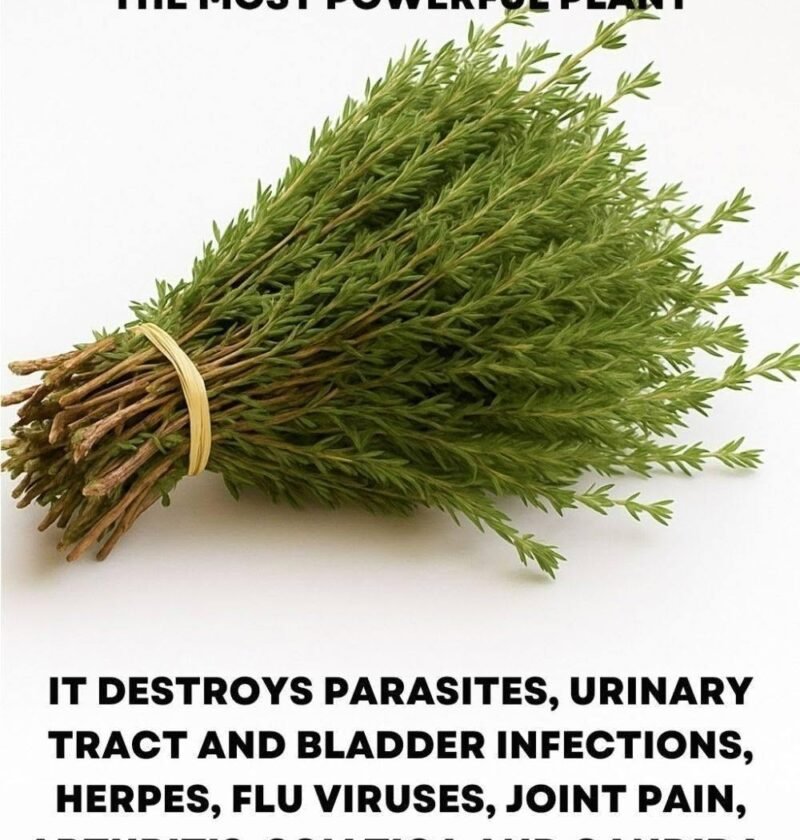
Why No Single Herb “Destroys” All Four
-
UTIs are usually caused by bacteria (most often E. coli) inside the urinary tract, which require targeted antibiotics that concentrate in urine.
-
Herpes (HSV-1 / HSV-2) is a virus that hides inside nerve cells permanently; no herb or prescription drug eradicates it from the body, though antiviral medications shorten outbreaks.
-
Flu (Influenza) is a respiratory virus managed mostly by the immune system, rest, fluids, and early prescription antivirals when needed.
-
Intestinal parasites (like protozoa or worms) require specific antiparasitic medications tailored to the exact organism.
What Research Actually Says About the Usual Suspects
-
Oil of Oregano (Carvacrol / Thymol): Shows strong antibacterial and antifungal activity in lab dishes, but high-dose essential oil taken internally can irritate the stomach lining, kill beneficial gut bacteria, and injure the liver if overused.
-
Olive Leaf Extract (Oleuropein): Studied for mild antioxidant and immune-support properties, though clinical evidence that it cures flu or herpes outbreaks is weak.
-
Black Seed (Nigella sativa / Kalonji): Has modest anti-inflammatory and metabolic benefits in human trials, not broad-spectrum pathogen eradication.
-
Wormwood / Black Walnut: Traditionally used in “parasite cleanses,” though wormwood contains thujone, which can be neurotoxic and harmful to the kidneys and liver in concentrated doses.
Practical Risks of Relying on Viral “Cure-All” Herbs
-
Untreated UTIs can escalate quickly: Relying on herbal teas or oils instead of getting a urinalysis and proper treatment allows a simple bladder infection to climb into the kidneys.
-
Herbal toxicity: Concentrated essential oils and antiparasitic herbs are common causes of drug-induced liver injury and interact with blood thinners, blood pressure drugs, and diabetes medications.