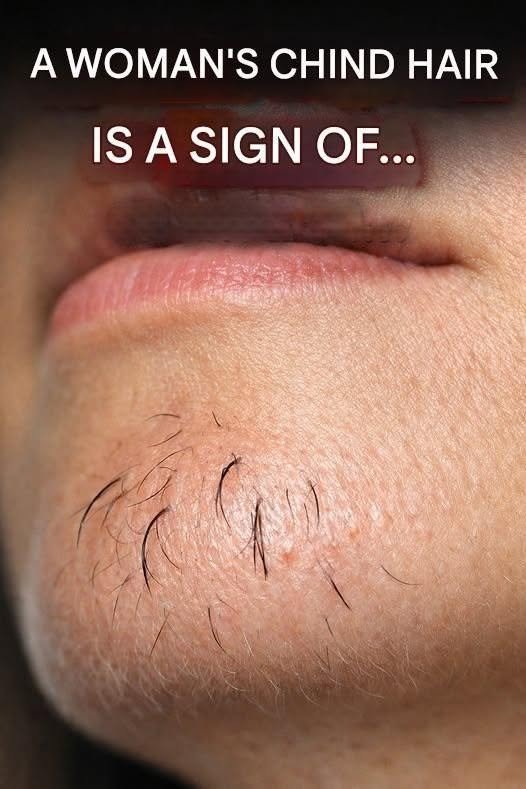
Common Causes of Chin Hair in Women
-
Genetics and Ethnicity: Family traits determine how many facial hair follicles you have and how strongly they react to normal hormone levels. Women of South Asian, Middle Eastern, and Mediterranean descent frequently grow thicker facial hair without any underlying hormonal imbalance.
-
Aging and Perimenopause: Starting in a woman’s late 30s or 40s, estrogen drops faster than androgen levels. This shift in ratio converts fine, light “peach fuzz” (vellus hair) along the chin and jawline into darker, coarser terminal hair.
-
Polycystic Ovary Syndrome (PCOS): The most common medical cause of excess facial hair (hirsutism). PCOS involves elevated androgen activity alongside irregular or missed periods, stubborn adult acne, scalp hair thinning, or difficulty managing weight.
-
Medications: Certain drugs stimulate facial hair growth, including systemic corticosteroids, minoxidil, anabolic steroids, and some anti-seizure medications.
-
Rarer Endocrine Conditions: Cushing’s syndrome (high cortisol), congenital adrenal hyperplasia, severe insulin resistance, or—very rarely—androgen-secreting ovarian or adrenal tumors.
When to See a Doctor
-
Rapid onset: Thick, dark chin or jawline hair appearing suddenly over a few months rather than gradually over years.
-
Accompanying symptoms: Irregular periods, severe acne, deepening voice, increased muscle mass, or thinning hair at the temples.
-
Spread to other areas: Coarse hair developing simultaneously on the chest, lower abdomen, upper back, or inner thighs.