Why Veins Look Visible (Most Common Normal Reasons)
-
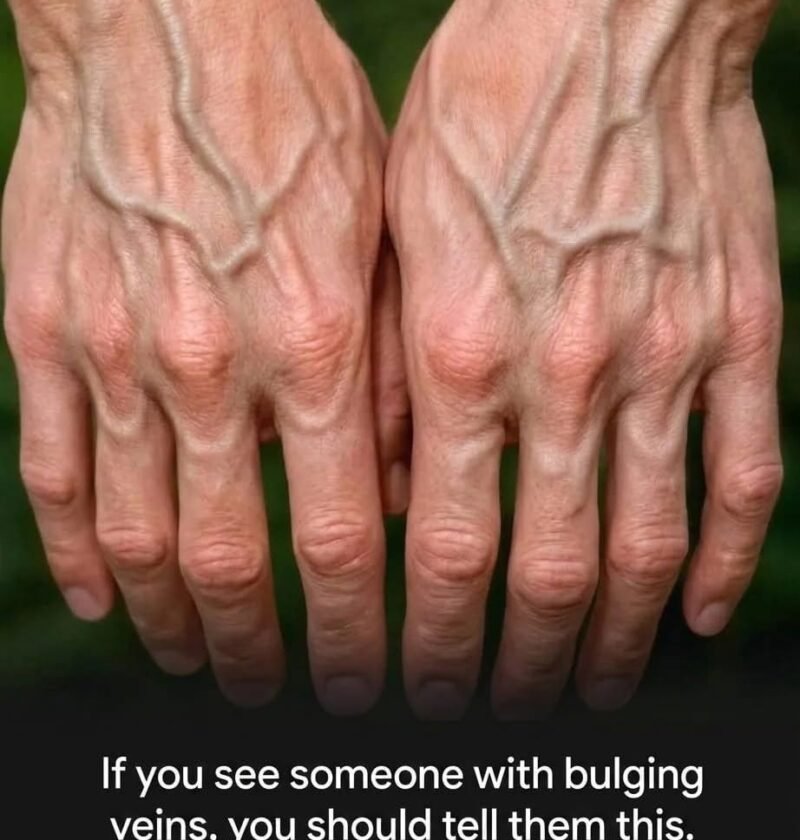
Thin or fair skin: Skin with less melanin or thinner dermal tissue lets more blue-wavelength light bounce back from veins just beneath the surface.
-
Low body fat or regular exercise: People with lower subcutaneous fat—or people who walk, lift weights, or work with their hands—have veins sitting closer to the skin surface, and exercise temporarily increases blood flow so veins stand out more.
-
Heat, warm showers, or hot weather: Warm temperatures cause surface veins to widen (vasodilate) to release body heat, making them more noticeable on hands, forearms, feet, and legs.
-
Normal aging: As skin naturally thins and loses collagen and fat padding over time, veins on the backs of the hands, arms, and legs become more prominent.
-
Pregnancy or fluid shifts: Higher blood volume temporarily makes chest, abdomen, and leg veins more visible.
When Visible Veins Are Worth Having Checked
-
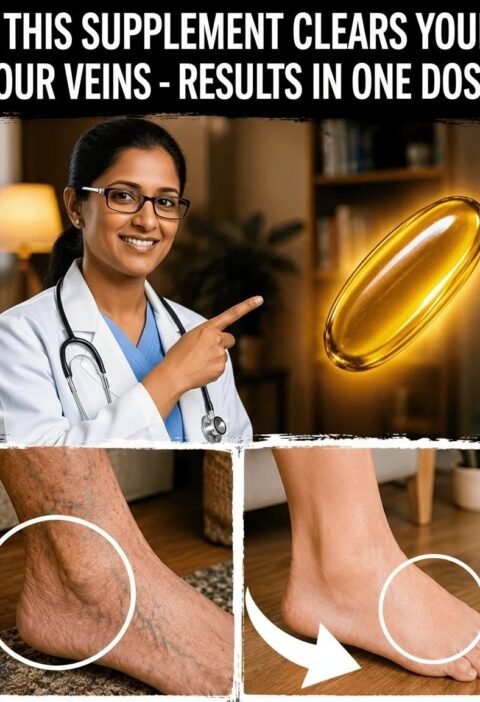
Twisted, bulging, rope-like leg veins (): Especially if accompanied by aching, throbbing, ankle swelling, heavy calves at night, or itchy, darkened skin near the ankles.
-
Sudden redness, warmth, tenderness, or a firm cord along a vein: Can indicate or a deeper clot.
-
Sudden one-sided leg swelling, tightness, or pain: Needs prompt medical care to rule out a deep vein thrombosis ().
-
Newly prominent chest, neck, or abdominal veins: Especially when paired with shortness of breath, facial swelling, or yellowing skin/eyes.