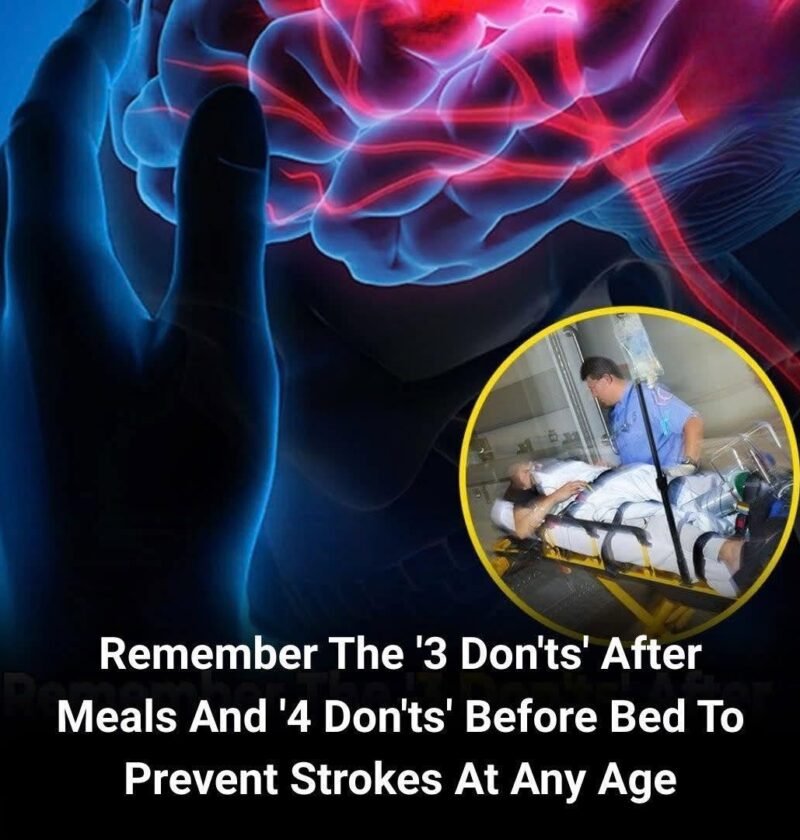
Making small adjustments to your post-meal and nighttime routines can have a surprisingly powerful impact on your cardiovascular health and long-term stroke risk. Vascular and neurology experts frequently emphasize that managing blood pressure, digestion, and circadian rhythms late in the day is crucial for protecting the brain and heart.
3 Things to Avoid After Meals
What you do immediately after eating influences how your body processes nutrients, regulates blood sugar, and manages blood pressure. To support your cardiovascular health, try to avoid these three habits:
-
Immediate Lying Down or Sleeping
-
Why it matters: Rushing to lie down or go straight to sleep right after a meal slows down digestion and can trigger acid reflux. More importantly, late or heavy eating right before lying down has been linked to disruptions in blood pressure regulation and overnight strain on metabolic health.
-
What to do instead: Try to stay upright for at least 2 to 3 hours after a heavy meal. If you want to move, opt for a light, leisurely stroll around the house about 15 to 30 minutes after eating to aid digestion.
-
-
Heavy, High-Sodium, or Late-Night Dinners
-
Why it matters: Eating large, heavy meals late in the evening—especially those packed with sodium—forces your cardiovascular system to work overtime while you rest. Excess sodium spikes blood pressure, which is the single leading modifiable risk factor for stroke. Late eating can also disrupt your natural circadian rhythm.
-
What to do instead: Aim to eat your final main meal earlier in the evening (ideally a few hours before bed), focusing on lean proteins, vegetables, and minimally processed ingredients.
-
-
Strenuous Exercise Right After Eating
-
Why it matters: Jumping straight into a high-intensity workout or heavy lifting right after eating diverts blood flow away from your digestive tract and toward your muscles, which can cause cramping, nausea, and gastrointestinal distress.
-
4 Bedtime Habits to Skip
Your nighttime habits dictate the quality of your sleep, and chronic poor sleep is closely tied to hypertension, inflammation, and elevated stroke risk. Skip these four habits before turning in:
-
Skipping Sleep Consistency (Irregular Bedtimes)
-
Why it matters: Going to bed at wildly different times each night confuses your body’s internal clock. Clinical studies suggest that irregular sleep patterns and consistently sleeping less than recommended hours can significantly spike the risk of cardiovascular events like heart attacks and strokes.
-
What to do instead: Try to go to bed and wake up at the exact same time every day—even on weekends—aiming for 7 to 9 hours of quality sleep.
-
-
Late-Night Alcohol (“Nightcaps”)
-
Why it matters: While a drink might make you feel drowsy initially, alcohol severely fragments your sleep architecture later in the night. Excessive or regular night-time drinking raises blood pressure and can trigger abnormal heart rhythms like atrial fibrillation (Afib), both of which are major risk factors for stroke.
-
-
Consuming Caffeine Late in the Day
-
Why it matters: Caffeine has a long half-life, meaning it can linger in your system for hours. Consuming coffee, soda, or caffeinated teas too close to bedtime blocks sleep-promoting chemicals in the brain, making it difficult to achieve deep, restorative sleep.
-
-
Late-Night Screen Time
-
Why it matters: Scrolling on phones, tablets, or watching TV right before bed exposes your eyes to blue light, which tricks your brain into suppressing melatonin production. This delays sleep onset and keeps your nervous system in a state of alert.
-
What to do instead: Power down screens at least 30 to 60 minutes before bed, replacing them with a calming ritual like reading a physical book, light stretching, or breathing exercises.
-
Summary Note: Stroke prevention relies heavily on daily lifestyle patterns. Keeping your blood pressure in check, protecting your sleep, and giving your body adequate time to digest before lying down are powerful, proactive steps you can take starting tonight.
Are you looking into these habits for general wellness, or are there specific heart or blood pressure goals you’re currently trying to manage?