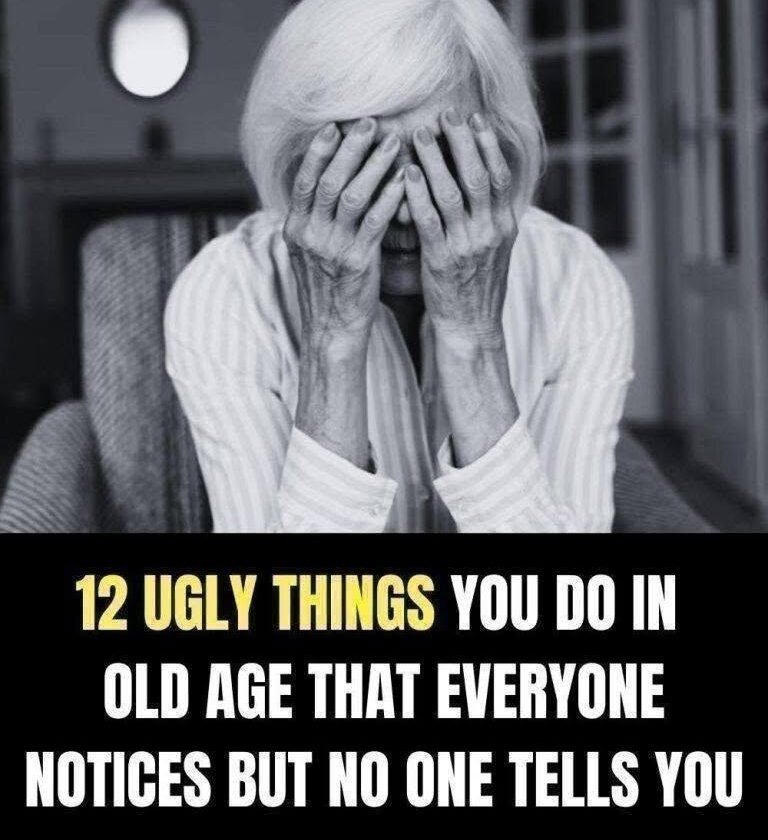
As people age, physiological changes—such as shifting senses of smell, declining fine motor skills, reduced saliva production, or cognitive and mobility challenges—can lead to certain habits that others might notice but feel uncomfortable addressing.
Examining these habits through a compassionate lens helps shift the perspective from judgment to understanding, addressing the underlying physical or sensory causes.
Sensory and Olfactory Shifts
-
Over-Applying Perfume or Cologne
-
Why it happens: As we age, our sense of smell (olfactory function) naturally declines. Older adults often apply heavy amounts of fragrance because they literally cannot smell it the way they used to, unintentionally overwhelming those around them.
-
-
Missing Subtle Household or Personal Odors
-
Why it happens: Similar to perfumes, changes in sensory perception mean that older individuals may not notice stale laundry, garbage that needs taking out, or subtle changes in personal hygiene as quickly as younger family members do.
-
Physical, Dental, and Dietary Changes
-
Inappropriate Food Handling or Sharing Customs
-
Why it happens: Generational habits regarding food—such as tasting food with a cooking spoon and putting it back in the pot, or keeping leftovers past their prime—can stem from different eras of household management or memory slips.
-
-
Dry Mouth and Related Vocal or Oral Habits
-
Why it happens: Medications and natural age-related reductions in saliva flow often cause severe dry mouth (xerostomia). This can lead to frequent throat-clearing, lip-smacking, or dry coughing that the individual may not even realize they are doing.
-
-
Neglecting Denture Maintenance
-
Why it happens: Arthritis, declining dexterity, or cognitive fatigue can make thorough daily denture cleaning difficult. Plaque and bacteria buildup on dental appliances can cause noticeable oral odors.
-
Grooming, Clothing, and Upkeep
-
Wearing Stained or Unwashed Clothes Repeatedly
-
Why it happens: Vision loss makes it difficult to spot small food stains or spots on clothing. Additionally, if doing laundry requires navigating stairs or heavy lifting, clothes may be reworn past the point of freshness.
-
-
Accumulating Clutter or Expired Goods
-
Why it happens: Growing up through times of scarcity (such as the post-war era) often instills a deep-seated habit of saving items “just in case.” When combined with physical limitations that make heavy cleaning exhausting, homes can accumulate unneeded items or expired pantry goods.
-
-
Neglecting Hard-to-Reach Personal Grooming
-
Why it happens: Conditions like severe arthritis, back stiffness, or poor eyesight make routine tasks like clipping toenails, styling hard-to-see hair, or thorough ear and nose hair trimming physically painful or nearly impossible without assistance.
-
Social, Environmental, and Behavioral Adjustments
-
Unfiltered Conversational Directness
-
Why it happens: Age-related changes in the frontal lobe or a simple “life is too short” attitude can reduce social inhibitions. Older adults may offer blunt, unsolicited comments on weight, lifestyle, or choices without recognizing how they sound.
-
-
Repeating Stories Frequently
-
Why it happens: Short-term memory changes mean an older person may genuinely forget that they told you the exact same story ten minutes ago. For them, sharing the memory feels fresh and meaningful each time.
-
-
Leaving Bathroom Doors Open or Disregarding Private Etiquette
-
Why it happens: Mobility challenges, balance issues, or fear of falling often cause older adults to keep bathroom doors ajar or abandon certain domestic boundaries for safety reasons, sometimes forgetting social conventions.
-
-
Inadvertently Ignoring Personal Space
-
Why it happens: Diminished hearing or vision can cause older individuals to lean in extremely close during conversations or stand closer than comfortable, simply trying to see or hear the other person clearly.
-
A Compassionate Approach: When friends or family notice these changes, approaching them with empathy rather than criticism makes a profound difference. Often, offering gentle, practical help—such as assisting with deep cleaning, scheduling a dental checkup, or helping update grooming supplies—resolves the issue while preserving the person’s dignity and autonomy