Aging brings many changes, but certain habits can develop gradually without us realizing it. Because of social politeness or fear of causing embarrassment, people often stay silent instead of pointing them out.
Here are 12 common, overlooked habits that tend to develop with age, why they happen, and how to address them discreetly:
1. Changes in Personal Hygiene and Olfactory Adaptation
-
What happens: A distinct body odor or stale scent can develop over time.
-
Why it happens: “Old person smell” is partly caused by a chemical compound called 2-nonenal, which is produced when skin lipids oxidize and is not easily washed away by regular soap. Furthermore, our sense of smell naturally declines with age, meaning seniors often cannot smell these changes on themselves or their clothes.
-
The fix: Use specialized soaps designed to break down nonenal compounds, wash clothes regularly with odor-neutralizing detergents, and ask a trusted family member for honest, gentle feedback.
2. Wearing Stained, Worn, or Outdated Clothing
-
What happens: Continuing to wear clothes with small food stains, frayed hems, or clothing that is decades out of date.
-
Why it happens: Tactile sensory changes can make certain fabrics feel uncomfortable, leading seniors to cling to worn-out, soft favorite garments. Poor lighting or failing eyesight can also make small stains invisible to the wearer.
-
The fix: Periodically sort through closets with a relative or caregiver to retire worn items, and ensure proper task lighting in dressing areas.
3. Loud Volume on TVs, Phones, and Conversations
-
What happens: Turning the television up to maximum volume or speaking much louder than necessary.
-
Why it happens: High-frequency hearing loss is extremely common with age. Seniors genuinely do not realize how loud their environment sounds to others.
-
The fix: Get a professional hearing test and explore modern hearing aids or TV-listening headphones that connect directly to audio sources without disturbing the household.
4. Repetitive Storytelling and Over-Sharing
-
What happens: Telling the exact same story or anecdote multiple times in a single gathering, or sharing overly intimate medical details with casual acquaintances.
-
Why it happens: Short-term memory changes can make it difficult to remember who has already heard a story. Additionally, as social circles shrink, a desire for connection can lead to over-sharing.
-
The fix: Gentle conversational cues from loved ones (“You told me that wonderful story last week, but I’d love to hear how it ended!”) can help redirect without causing hurt feelings.
5. Neglecting Dental Care and Bad Breath
-
What happens: Overlooking routine dental cleanings or improper denture maintenance, leading to chronic bad breath or visible plaque.
-
Why it happens: Dry mouth (often caused by common medications) accelerates tooth decay and bad breath. Mobility issues can also make thorough brushing and flossing physically difficult.
-
The fix: Regular dental checkups, using moisturizing mouthwashes designed for dry mouth, and utilizing electric toothbrushes or water flossers to ease daily cleaning.
6. Clutter Accumulation and Hoarding Tendencies
-
What happens: Holding onto broken items, stacks of old newspapers, or packaging materials because “they might be useful someday.”
-
Why it happens: Older generations often grew up with an ethos of frugality and waste reduction. Reduced mobility can also make sorting and throwing things out physically exhausting.
-
The fix: Tackle decluttering rooms one small drawer at a time with a supportive family member, focusing on safety and clear walking paths.
7. Unintentional Dietary or Eating Habits
-
What happens: Smearing food on the face, dropping crumbs, or making slurping/chewing noises without noticing.
-
Why it happens: A decline in fine motor control, tremors, or numbness around the mouth due to dental changes or nerve shifts can reduce awareness of eating mechanics.
-
The fix: Use adaptive dining utensils with heavier handles, napkin clips, or deep-rimmed plates to make dining easier and cleaner.
8. Lacking Spatial Awareness in Public
-
What happens: Stopping abruptly in the middle of a busy grocery aisle, walking very slowly right down the center of a crowded sidewalk, or failing to notice people trying to pass.
-
Why it happens: Peripheral vision naturally narrows with age, and cognitive processing speed for complex environments can slow down.
-
The fix: Walking with a companion in crowded public spaces or using mobility aids that signal a need for a little extra clearance.
9. Physical Incontinence Odors or Stains
-
What happens: A faint smell of urine or subtle stains on furniture or clothing.
-
Why it happens: Pelvic floor muscles weaken with age, and conditions like overactive bladder or arthritis (which makes getting to the bathroom difficult in time) lead to minor leaks. The individual’s own sense of smell may prevent them from noticing.
-
The fix: Consult a doctor for bladder management solutions, use discreet protective garments, and keep washable waterproof pads on favorite chairs.
10. Heavy-Handed Use of Perfume or Cologne
-
What happens: Wearing an overpowering cloud of fragrance.
-
Why it happens: Just as eyesight and hearing fade, the sense of smell diminishes. To smell their favorite scent, older adults often apply much more than is necessary, unaware that it fills an entire room.
-
The fix: Switch to lightly scented body lotions rather than strong sprays, or establish a rule of thumb for just one single spray.
11. Staring or Unfiltered Commentary
-
What happens: Staring intently at strangers in public or making blunt, unsolicited comments about someone’s weight, clothing, or behavior.
-
Why it happens: The brain’s prefrontal cortex, which governs impulse control and social filtering, can soften with age. People also become less concerned with societal pressures and speak their minds more freely.
-
The fix: A quiet, gentle reminder from a companion (“Let’s look this way”) can help redirect attention in public settings.
12. Footwear Noise and Shuffling
-
What happens: Dragging or shuffling feet, causing a constant scuffing sound when walking.
-
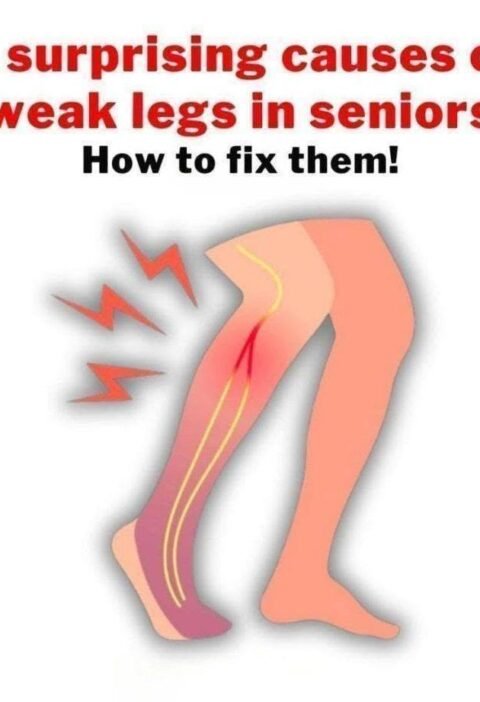
Why it happens: Reduced leg strength, fear of falling, or footwear that is loose or lacks proper grip can cause a person to lift their feet less when walking.
-
The fix: Invest in lightweight, well-fitting shoes with non-slip rubber soles, and consider gentle physical therapy exercises to build lower-body stability.
Are you noticing any of these habits in yourself or a loved one, and looking for ways to address them gently?